News Summary
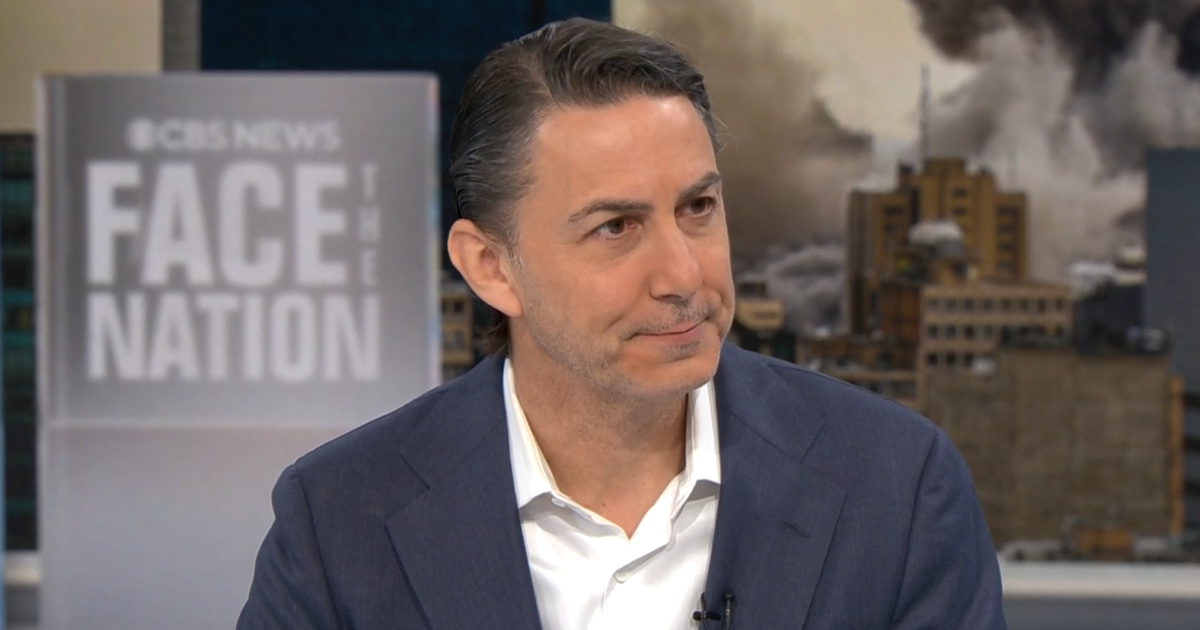
This is the transcript of an April 19, 2026 interview on CBS's Face the Nation with Amos Hochstein, former Biden senior energy adviser and Middle East negotiator and now managing partner at TWG Global. Hochstein said current U.S. regular gasoline average prices near $4.05 per gallon reflect a real disruption tied to the closure of the Straits of Hormuz. He explained that tankers already at sea can take 25–30 days to deliver fuel, but with the straits closed there are currently no tankers en route to Asia and Europe, producing imminent jet-fuel and refined-fuel shortages in parts of Asia, Europe, and poorer and middle-income countries; he warned U.S. consumers and travelers could see higher prices and surcharges within weeks. Hochstein argued a quick diplomatic deal reopening the straits is needed to prevent a longer-lasting price spike. On negotiations with Iran, he said earlier U.S. assessments warned Iran was close to a fissile-material breakout and that maximalist positions on both sides make a deal difficult; he criticized the lack of a senior U.S. diplomatic lead at talks. On Lebanon, Hochstein said a recent 10-day pause in fighting between Hezbollah and Israel appeared to have been insisted upon by Iran as a condition for Iran attending talks in Pakistan, which he called problematic because it strengthens Iranian leverage and undercuts Lebanon's sovereignty. He also warned that Israeli tactical gains in Lebanon could become strategic overreach. Regarding U.S. politics, Hochstein said Prime Minister Netanyahu's alignment with former President Trump has damaged Israel's bipartisan relationship with the U.S., and he noted a Senate vote in which 40 Democrats attempted to block a U.S. weapons sale to Israel as evidence of strain.
Biblical Reflection
This transcript records an expert's analysis combining energy-market mechanics and diplomatic assessment. From a Christian discernment perspective, note two layers: factual forecasting and political interpretation. Hochstein speaks from experience in U.S. government and markets; his technical claims about tanker transit times, chokepoint effects, and fuel shortages are the kind of empirical predictions that can be checked and monitored. His political judgments—about who should lead negotiatons, Iran's motives, and Netanyahu's political alignment—reflect his professional background and likely partisan proximity to the Biden policy community; they should be weighed alongside other sources. Biblically, two priorities stand out: the pursuit of truthful, sober judgment (Proverbs calls for wisdom and truthful testimony) and care for the vulnerable affected by geopolitical conflict (Jesus' call to love neighbor). Christians should resist partisan reflexes that reduce complex international crises to scorekeeping. Pray for leaders to seek wise, measured solutions that minimize harm to civilians and global markets; also hold public claims to accountability and truth—experts can err, and listeners must test assertions against data and multiple perspectives. Finally, remember that peacemaking and stewardship (of resources and relationships) are Christian obligations: advocate for honest diplomacy, compassion for those suffering shortages, and restraint from rhetoric that escalates conflict.
Scripture in context
This outlook does not yet include contextual Scripture citations. Do not treat a general biblical theme as an exegetical conclusion.
Faithful Response
No prescribed response is offered. Consider the reflection prompts below in your own church context.
Reflection and Discussion
- 1Which claims in this interview are technical (verifiable facts about tankers, fuel supply, timelines) and which are political judgments or interpretations? How will you check them?
- 2Are we allowing partisan loyalties to determine which experts we trust about diplomacy and security? How does that shape our prayer and public witness?
- 3How should Christians balance national security concerns with the biblical call to protect civilians and pursue peace when political leaders act?
Sources
Reporting links are evidence inputs; Sanctuary News' biblical reflection is commentary.
This outlook currently relies on fewer than two linked sources. Broaden verification before teaching from it.
- 1.Original reportprimary