News Summary
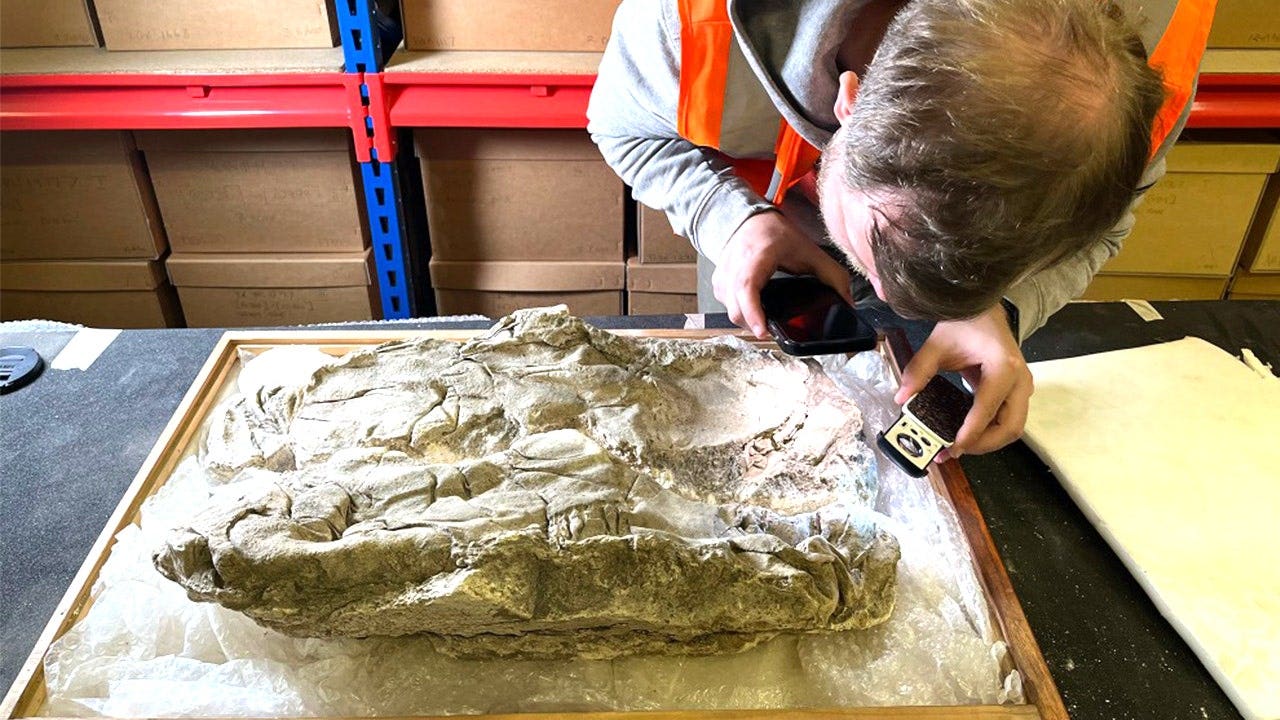
Archaeologists working in York, England (ancient Eboracum) analyzed textiles and remains from two infant burials dated to the late third or early fourth century A.D. Chemical testing detected traces of Tyrian purple dye on the fabrics; one infant was buried with adults in a stone coffin and the other in a lead coffin. The dyed textiles include evidence of gold thread and were preserved in part because liquid gypsum was poured over the clothed and shrouded bodies, which hardened and protected imprints and fragments. University of York researchers reported this as the first identification of Tyrian purple on Roman textile remains in York and one of only a few such finds in the U.K. Officials and archaeologists said the dye’s presence indicates access to luxury goods and suggests the infants’ families had significant social standing. The article notes biblical and other ancient references to purple as an elite commodity and references related archaeological research on purple-dye production sites in the eastern Mediterranean.
Biblical Reflection
This discovery is a historical reminder that archaeological evidence can illuminate everyday human realities—status, trade networks, and family grief—in ways that texts alone may not. The article responsibly reports material findings (chemical tests, preservation processes, and archaeological context) but also leans on biblical references and value statements about the dye to frame its significance. Christians should welcome truthful historical insight while resisting two temptations: turning material artifacts into objects of fascination that overshadow the human stories behind them, or automatically treating every archaeological link to biblical language as theological confirmation. The find rightly points to the dignity families afforded their children even in tragic circumstances; that dignity resonates with Christian commitments to the worth of every life. At the same time, the emphasis on luxury and exclusivity invites reflection on how societies mark honour and power—something Scripture critiques when wealth replaces justice, mercy, and care for the vulnerable. Overall, the article’s factual claims about the dye and its rarity are supported by archaeological methods; its interpretive moves (associating purple with imperial status and biblical imagery) are reasonable but should be held as contextual commentary rather than devotional proof.
Scripture in context
This outlook does not yet include contextual Scripture citations. Do not treat a general biblical theme as an exegetical conclusion.
Faithful Response
No prescribed response is offered. Consider the reflection prompts below in your own church context.
Reflection and Discussion
- 1How does learning about the material culture of ancient peoples (like luxury textiles) change the way you imagine their daily lives and families, especially in a Christian reading of history?
- 2When news links archaeological finds to biblical references, are we reading Scripture through artifacts or weighing artifacts by what they tell us about Scripture—and what assumptions shape which connection we find most compelling?
- 3Does the focus on rare, costly objects distract from the deeper human story of loss and care evident in these burials, and how should Christians balance interest in historical detail with compassion for the people behind the finds?
Sources
Reporting links are evidence inputs; Sanctuary News' biblical reflection is commentary.
This outlook currently relies on fewer than two linked sources. Broaden verification before teaching from it.
- 1.Original reportprimary