News Summary
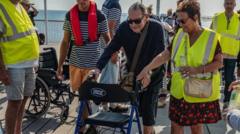
BBC published July 25, 2026, reporting firsthand accounts from tourists — including families from the UK — who said their holidays in France became evacuations due to wildfires; the article quotes descriptions of fleeing advancing flames. The report provides eyewitness testimony but does not supply figures for evacuees, locations, casualties, property loss, official emergency actions, or the fires’ cause.
Source and Framing Analysis
The article is single-source reporting by BBC that centers personal testimony; the headline and quoted language (e.g., 'wall of flames') create vivid, urgent framing. That framing conveys the human experience effectively but leaves material uncertainties: scale, official response, and verified outcomes are absent. Because the piece is built on interviews, readers should treat the emotional detail as reliable for personal experience but seek additional reporting for comprehensive facts and response coordination.
Biblical Reflection
This report centers on human vulnerability: ordinary people caught suddenly between holiday plans and a natural disaster. Christians are called to attend to truth and to neighbor care—first by seeking accurate information about who is harmed and what help is needed, and then by responding with practical compassion. The article relies on vivid eyewitness language that communicates fear and urgency; that helps us feel the human cost, but it also leaves many concrete details unreported. Truth-seeking requires holding both the emotional testimony and the need for verified facts together.
From a pastoral angle, the story invites Christians to lament with those who are frightened and displaced, to offer concrete aid (temporary lodging, donations, volunteer support), and to encourage prudent action among travelers and local communities. At the same time, maintain humility about what the article does and does not establish: it documents personal experiences of evacuation but does not by itself measure the wildfire’s full scale, causes, or official capacity to respond. Our response should be shaped by mercy and service, guided by verified information, and sustained by prayer for the vulnerable.
Scripture in context
- 1Psalm 46 — A communal song that acknowledges danger and upheaval while affirming God's presence and protection in times of national or natural crisis. — Use this passage as a reminder to bring laments and practical needs to God while mobilizing help for those who are frightened or displaced by natural disasters.
- 2Luke 10:25-37 (Parable of the Good Samaritan) — A legal expert asks Jesus how to inherit eternal life; Jesus tells a story showing that true neighborliness crosses social boundaries and consists in concrete mercy toward the injured. — This passage challenges Christians to see evacuees and stranded travelers as neighbors deserving practical care, not just subjects of pity or news items.
Faithful Response
Pray for those affected and for responders, asking for wisdom and protection.
Seek verified local relief organizations (or official emergency channels) before donating or volunteering to ensure resources match actual needs.
Offer practical hospitality to displaced neighbors or travelers where safe and appropriate—temporary shelter, transport, or coordination assistance.
Share verified travel advisories and safety information rather than amplifying unconfirmed reports.
Reflection and Discussion
- 1How does Scripture shape our obligation to act when we hear personal accounts of suffering, even before full official data is available?
- 2In chaotic moments, what practices help us avoid rumor while still responding quickly and lovingly to people's needs?
- 3Who in our community might become hidden victims of this event (seasonal workers, drivers, renters), and how can we learn their needs before acting?
Sources
Reporting links are evidence inputs; Sanctuary News' biblical reflection is commentary.
This outlook currently relies on fewer than two linked sources. Broaden verification before teaching from it.
- 1.Fleeing a wall of flames: Tourists describe France wildfires escapeprimary_reporting