News Summary
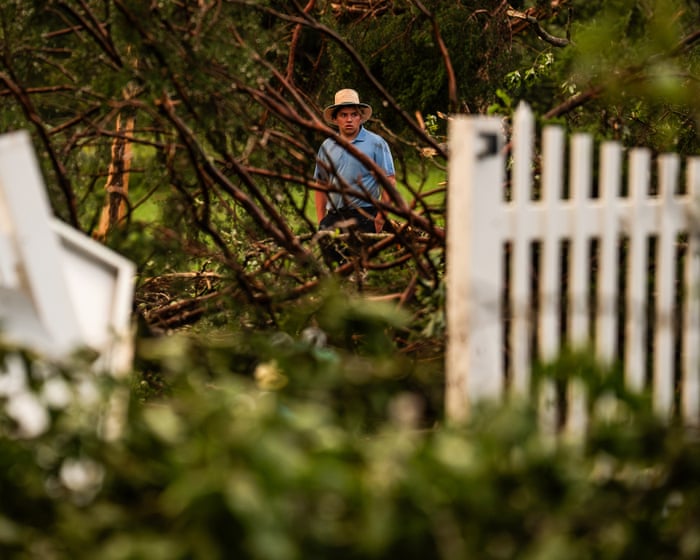
The Guardian reports that a band of severe storms produced tornadoes and record flash flooding across parts of the US East on Tuesday night, notably in Kentucky and West Virginia. The storms led to widespread damage, dozens of people trapped in homes and vehicles, and several injuries. Local first responders were reportedly overwhelmed in at least one West Virginia county; rescuers cut through attic roofs to free trapped residents. The article emphasizes immediate rescue activity and the unprecedented rise of waters in affected areas.
Source and Framing Analysis
The story is based on a single Guardian report. The framing emphasizes human impact (trapped residents, overwhelmed responders) and uses strong descriptors like "record flash flooding" that convey the scale of the event but would benefit from corroboration with official hydrological data or statements from emergency management agencies. Material uncertainties that affect the story include exact casualty counts, official measurements of flood records, and the geographic breadth of damage — all of which typically emerge over hours to days as agencies report.
Biblical Reflection
This event is a stark reminder that natural disasters expose human vulnerability and call Christians to both compassion and clear-headed service. The facts reported — tornadic activity, flash flooding, people trapped, overwhelmed local responders — point to immediate needs for rescue, shelter, medical care, and longer-term recovery. As Christians we are called to grieve with those who grieve, to help the vulnerable, and to steward resources wisely.
We should also test the article's claims with careful discernment: some phrases (for example, "record flash flooding") describe magnitude but require hydrological or official confirmation. The underlying worldview in the reporting emphasizes urgency and human suffering — appropriate for emergency coverage — but readers should note the practical limits of a single news report and look for official updates from emergency management, local authorities, and relief organizations. In our response, mercy and truth must go together: offer immediate aid where possible, seek verified information before amplifying specific claims, and pray for both victims and first responders.
Finally, the Christian response includes public witness: advocate for resources and coordination that protect the most vulnerable (elderly, disabled, isolated), support congregational and civic relief efforts, and model humility in recognizing that human control is limited in the face of such storms.
Scripture in context
- 1Psalm 46 (general reference) — Psalm 46 is a communal song written in the ancient Near Eastern context of war and natural instability; it addresses the community's experience of danger and calls them to trust in God's presence and protection rather than in earthly security. — The psalm models faithful trust and calm amid chaos: it comforts those facing sudden disaster and undergirds the call to practical, courageous action (helping the vulnerable, organizing relief) rather than fatalism or panic.
Faithful Response
Pray specifically for victims, first responders, and local leaders while following reliable updates from local authorities and relief organizations.
Support vetted relief agencies or local church-led relief funds that are responding with search-and-rescue, shelter, medical aid, or supplies.
Check on and assist vulnerable neighbors (elderly, disabled, isolated) with evacuation help, transportation, or shelter if safe and trained to do so.
Contribute to or volunteer with local long-term recovery efforts (cleanup, rebuilding, counseling) once immediate dangers pass.
Reflection and Discussion
- 1How does this coverage direct my attention between urgent compassion and careful verification of facts?
- 2Who are the most vulnerable neighbors affected by these storms, and how can my local church realistically help meet both immediate and longer-term needs?
- 3What assumptions about control, safety, or planning does this disaster expose in our community, and how should that shape our preparedness and advocacy?
Sources
Reporting links are evidence inputs; Sanctuary News' biblical reflection is commentary.
This outlook currently relies on fewer than two linked sources. Broaden verification before teaching from it.
- 1.Tornadoes and record flooding leave parts of US east in crisisprimary_reporting