News Summary
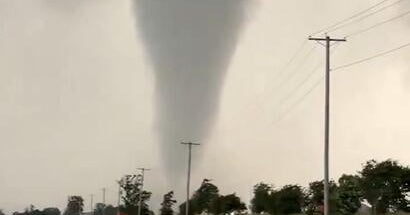
On the evening of June 18, 2026, the National Weather Service confirmed tornadoes in northeast Iowa near Harpers Ferry (5:10 p.m.) and in Charleston, central Illinois (about 6:40 p.m.). Both events were issued under a "particularly dangerous situation" designation, indicating the possibility of strong and violent tornadoes. Local reports and media footage showed extensive damage in Charleston, including downed trees, power lines, and hail measured at 2.75 inches. Charleston declared a local state of emergency and police advised residents not to travel because roadways were blocked. Cellphone video captured a large tornado near Effingham, Illinois; Effingham city reported little damage within the city but the county said an "impactful" tornado traveled 12–15 miles north of the city, damaging buildings and causing some non-life-threatening injuries in communities such as Teutopolis, Diedrich, and Shumway. CBS News cited at least seven reported tornadoes during the event and PowerOutage.us reported at least 55,000 Illinois customers without power. Meteorologists noted unusually favorable conditions for intense tornadoes in June due to a strong jet stream interacting with tropical moisture and cooler air, and earlier reporting flagged severe-weather advisories affecting over 125 million people across wide regions including Gulf Coast areas under flood alerts for Tropical Storm Arthur. At the time of reporting, the full regional extent of damage and any fatalities were unclear.
Biblical Reflection
The article reports observable, verifiable facts: NWS confirmations, local emergency statements, meteorologist analysis, and visual evidence of damage. It largely avoids conjecture beyond quoting experts about the unusual atmospheric setup. Still, the framing centers the storm’s intensity and dramatic footage, which can emphasize spectacle over sustained attention to survivors and long-term needs. From a Christian perspective, truthful reporting of hazards and clear safety guidance serves the common good (protecting life and property). The designation "particularly dangerous situation" rightly urges seriousness without fostering unnecessary panic. The coverage, however, gives limited attention to vulnerable populations, shelter capacity, and recovery needs—matters where Christian communities often provide crucial care. Theologically, storms expose human vulnerability and our dependence on God and one another; they also highlight opportunities for mercy, practical service, and collective resilience. Christians should welcome accurate warnings and support public safety, while asking whether relief and rebuilding efforts will prioritize those with the fewest resources. Praise and prayer for first responders are appropriate, alongside sober attention to equitable long-term recovery rather than treating this as a transient spectacle.
Scripture in context
This outlook does not yet include contextual Scripture citations. Do not treat a general biblical theme as an exegetical conclusion.
Faithful Response
No prescribed response is offered. Consider the reflection prompts below in your own church context.
Reflection and Discussion
- 1Whose stories are missing from this coverage—are low-income, elderly, or otherwise vulnerable residents being tracked in relief plans?
- 2How does language like "particularly dangerous situation" shape public response, and does the coverage balance urgency with calm, actionable guidance?
- 3Will reporting move beyond immediate damage to follow long-term recovery needs and accountability for infrastructure and aid distribution?
Sources
Reporting links are evidence inputs; Sanctuary News' biblical reflection is commentary.
This outlook currently relies on fewer than two linked sources. Broaden verification before teaching from it.
- 1.Original reportprimary