News Summary
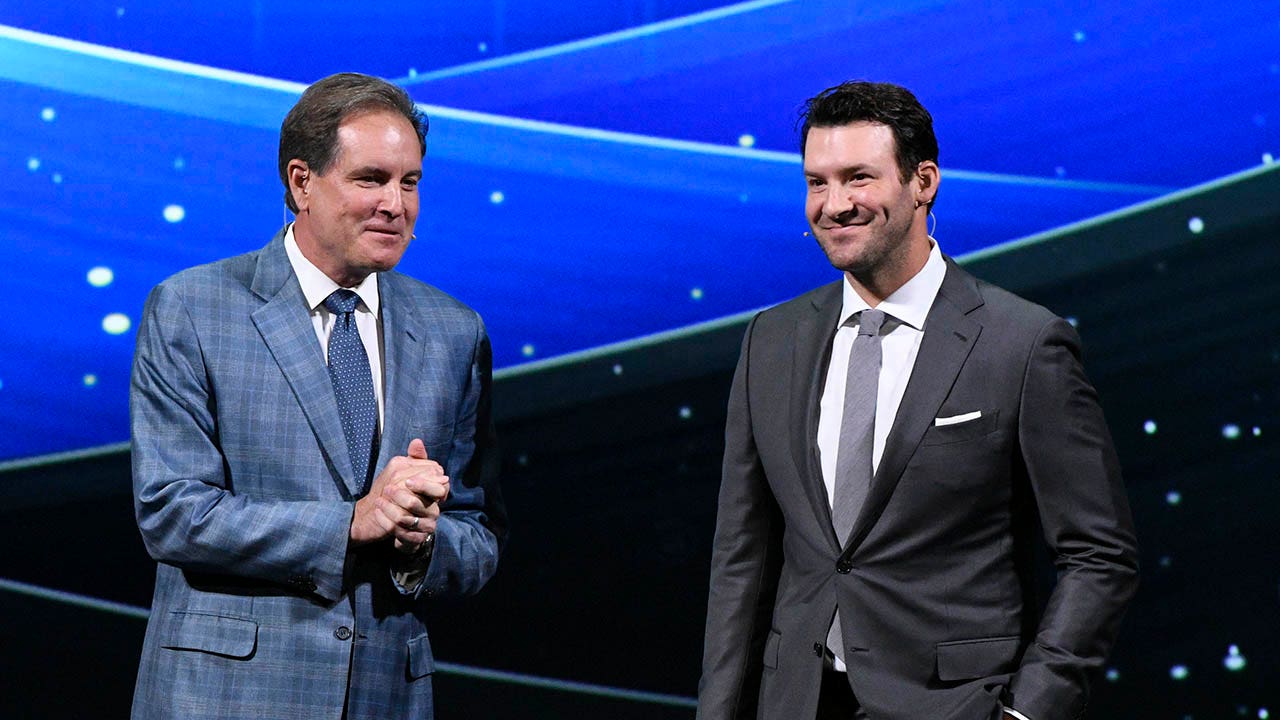
This is an opinion/column piece summarizing several light news items and commentary. It reports that Tony Romo, speaking on the "Pardon My Take" podcast, said he is not bothered by critics of his broadcast style and explained his desire to "teach" viewers why certain plays are called. The columnist expresses a personal decline in enthusiasm for Romo's work and criticizes what he perceives as Romo's repeated focus on quarterbacks Patrick Mahomes and Josh Allen. The column also references comments by Paige Bueckers about the lack of Black coaches in the WNBA and characterizes those comments as "pandering." The article notes advocates (Sean Davis and comedian Joe Machi) publicly supporting making daylight saving time permanent and summarizes the columnist's own ambivalence about that idea. It briefly mentions Apple TV MLB sideline reporter Tricia Whitaker and other seasonal, low-volume sports news items before concluding.
Biblical Reflection
This column is primarily cultural commentary rather than reporting of consequential events. Its tone is sarcastic and dismissive, especially toward athletes and commentators who raise issues beyond pure performance. Christians should note two things: first, media commentary often blends entertainment, personal opinion, and cultural critique—recognize where facts stop and opinion begins. Second, the column's dismissive language toward concerns about race and representation (here, the WNBA coaching discussion) invites a pastoral response: critique performance and public speech when warranted, but avoid reducing people or legitimate equity questions to caricature. Truth-seeking requires separating verifiable claims (what Romo said, what Bueckers asked) from the writer's value judgments. Pastoral wisdom calls for humility, fairness, and charity in public conversation—especially when discussions touch on identity or justice. Consumption of such media is not neutral; repeated exposure to mocking or cynical framings can harden attitudes and reduce charity toward neighbors raising concerns. Christians can critique media and cultural figures while practicing empathy, asking whether criticism advances truth and the common good or simply satiates partisanship and outrage.
Scripture in context
This outlook does not yet include contextual Scripture citations. Do not treat a general biblical theme as an exegetical conclusion.
Faithful Response
No prescribed response is offered. Consider the reflection prompts below in your own church context.
Reflection and Discussion
- 1Is the columnist addressing the substance of others' arguments or primarily using tone and ridicule to dismiss them?
- 2When a public figure raises questions about representation or fairness, do I respond to the claim itself or to my emotional reaction to the messenger?
- 3How does the tone of sports and media commentaryshape my own patience and charity toward people who hold different views?
Sources
Reporting links are evidence inputs; Sanctuary News' biblical reflection is commentary.
This outlook currently relies on fewer than two linked sources. Broaden verification before teaching from it.
- 1.Original reportprimary