News Summary
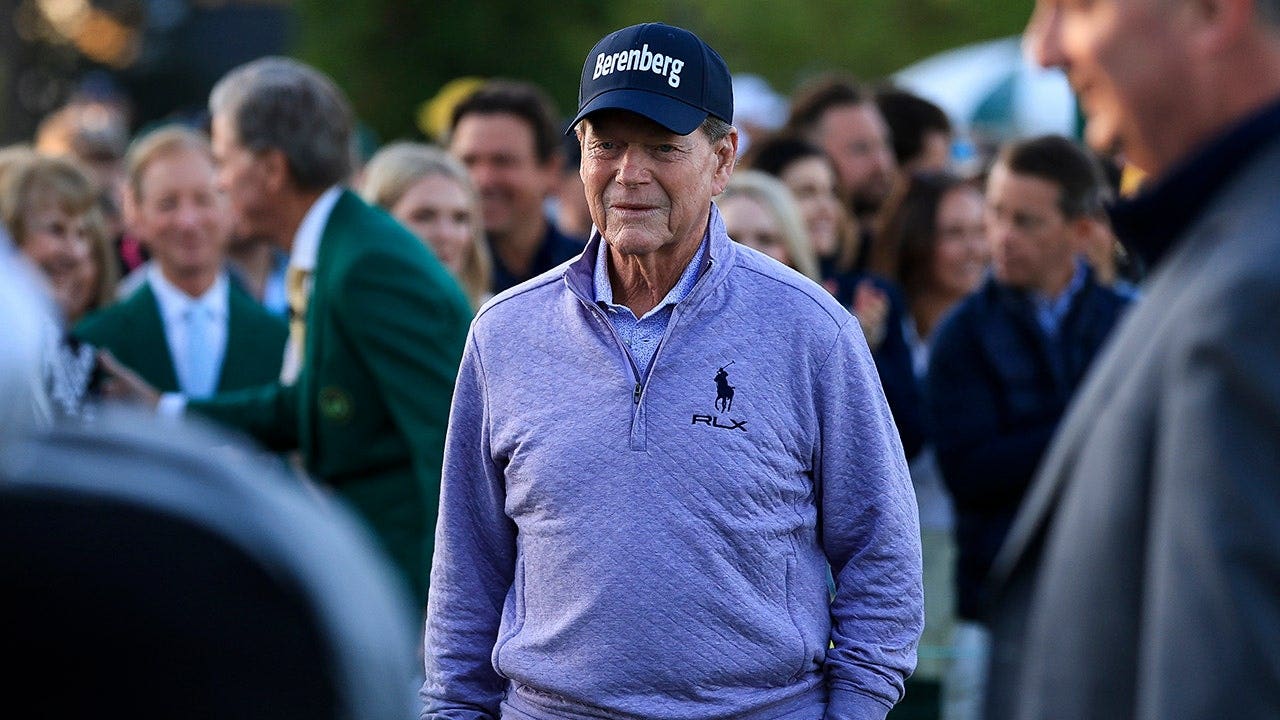
Brooks Koepka left LIV Golf in December 2025 with about one year remaining on his LIV contract and applied for reinstatement to the PGA Tour. He was approved for return under the PGA Tour’s Returning Member Program and publicly posted a statement saying he accepted financial penalties associated with the move and was joining the Tour’s player equity program for five years, committing up to $85 million in penalties (per CEO Brian Rolapp), $5 million in charity donations, and the requirement to earn entry into signature events. At the Masters ceremonial tee-off, Tom Watson criticized the PGA Tour’s decision to approve Koepka’s return, saying the tour had “reneged” on promises and arguing that LIV players should be banned for life or made to requalify via the Korn Ferry Tour. Watson said players who left harmed sponsors and violated expectations. The article notes that several other former or prospective LIV players reacted differently: some rejected the PGA Tour’s offer, and others, like Hideki Matsuyama and Wyndham Clark, said Koepka’s return left them conflicted. Koepka framed his return as a personal and family-centered decision and expressed belief in the Tour’s new leadership and equity program.
Biblical Reflection
This story highlights tensions between loyalty, accountability, and reconciliation. Tom Watson’s comments reflect a strong loyalty to longstanding institutions and a concern for sponsors and contractual norms; his view is an earnest conviction but remains an opinion rather than a settled legal or organizational fact. The PGA Tour’s approval and the penalties it imposed indicate a negotiated path of accountability that includes both cost and opportunity for restoration. From a Christian perspective, we should avoid reflexive acceptance of either punitive absolutism or uncritical forgiveness. Scripture affirms both the need for just consequences when covenants are broken and the call to restore repentant people (see principles below). The media framing emphasizes conflict and strong language ("reneged," "lifetime ban"), which can inflame tribal loyalties; Christians should seek primary sources (PGA policy texts, Koepka’s statement, official tour communications) before forming firm judgments. Assess motives: financial incentives and institutional preservation likely shape decisions on all sides. The faithful response is to value truth and fairness, call for transparent, consistent policies, and hold to both accountability and the possibility of restoration when genuine repentance or reconciliation occurs.
Scripture in context
This outlook does not yet include contextual Scripture citations. Do not treat a general biblical theme as an exegetical conclusion.
Faithful Response
No prescribed response is offered. Consider the reflection prompts below in your own church context.
Reflection and Discussion
- 1Are calls for permanent exclusion motivated primarily by a desire for justice, or by loyalty, fear, or protection of institutional interests?
- 2How should organizations balance enforcement of rules and contractual consequences with opportunities for restoration and reconciliation?
- 3What primary sources (policy documents, official statements) should shape our view before accepting strong claims that a group or leader has "reneged" on promises?
Sources
Reporting links are evidence inputs; Sanctuary News' biblical reflection is commentary.
This outlook currently relies on fewer than two linked sources. Broaden verification before teaching from it.
- 1.Original reportprimary