News Summary
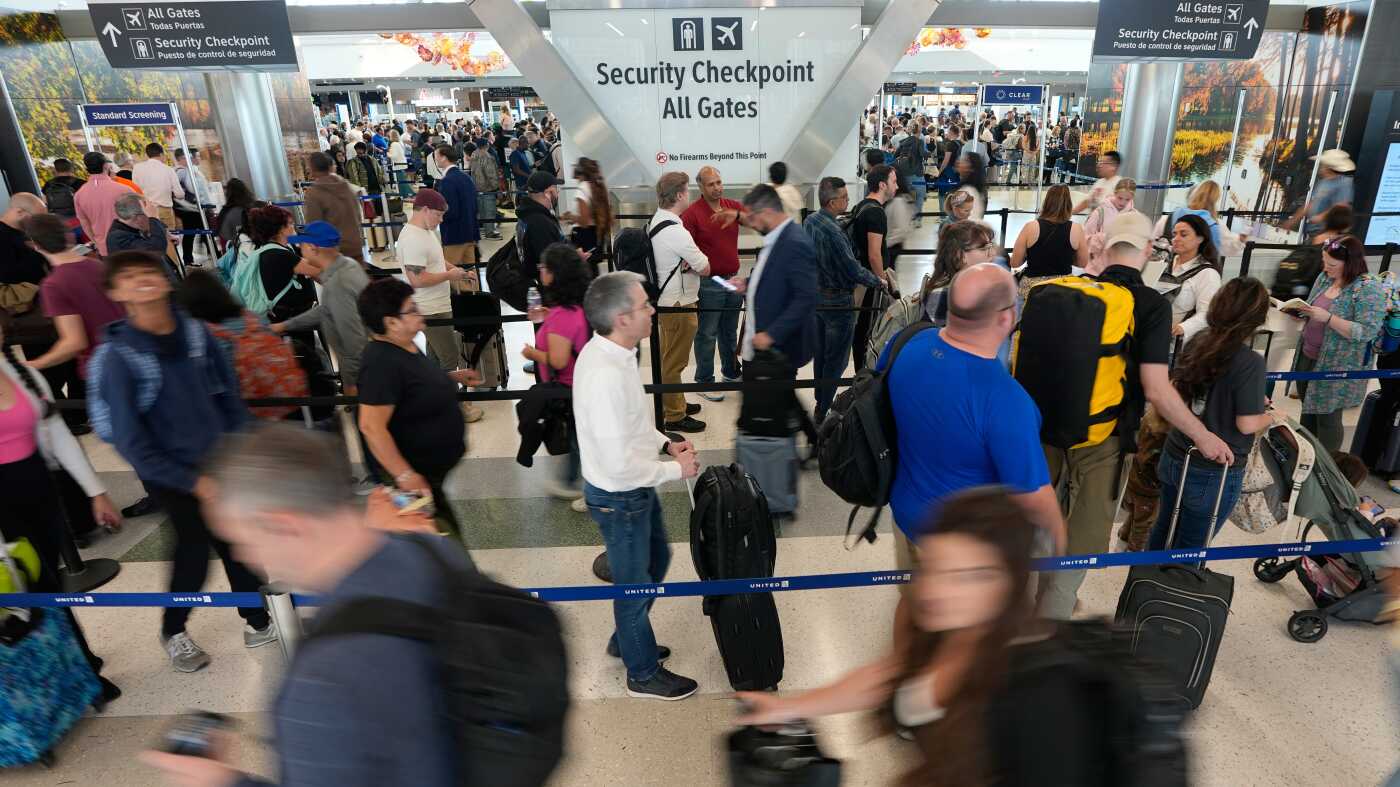
White House border czar Tom Homan said ICE agents could remain at U.S. airports even after Transportation Security Administration (TSA) workers begin receiving pay, saying that continued ICE presence depends on how many TSA employees return to work or have quit. Homan said he spoke with Department of Homeland Security Secretary Markwayne Mullin and that there is a plan to get TSA workers paid "hopefully by tomorrow or Tuesday." A DHS social media post said TSA had begun the process of paying its workforce and that paychecks could arrive as early as Monday. That announcement followed President Trump signing a memo directing that workers be paid from existing funds despite Congress not having allocated money to end the DHS shutdown; the article notes it remains unclear where the money for those paychecks would come from. The piece says it has been about a week since the president ordered ICE to send agents to airports to help TSA while the DHS shutdown continued. According to Homan, ICE officers have been assisting TSA with tasks such as checking identification so remaining TSA staff can focus on technical duties like monitoring luggage screening machines. The article reports roughly 50,000 TSA workers have been working without pay, more than 480 TSA employees have quit, and absences reached as high as 40% at some airports, contributing to long security lines. Homan said wait times have improved in some places after ICE deployment. The article cites specific airport conditions (improved but still-lengthy waits at Baltimore/Washington International; under two-hour waits at George Bush Intercontinental in Houston with potential exceedances of four hours) and notes congressional negotiations remain stalled with the Senate and House scheduled to return in mid-April. NPR sought comment from DHS but had not received additional response at the time of reporting.
Biblical Reflection
From a Christian perspective, this story raises two commitments we should hold in tension: the legitimate need for public safety and the call to protect and care for vulnerable workers and travelers. The article largely reports statements from administration officials (Tom Homan and agency announcements) and documents real operational stress — unpaid TSA staff, high absenteeism, long lines, and a federal agency (ICE) being used to fill operational gaps. The narrative reflects a security-first worldview that treats immigration enforcement resources as flexible instruments to resolve a domestic staffing crisis. That can be effective in the short term but risks normalizing the use of enforcement personnel in contexts where civil-liberties oversight and training differ from the regular workforce, and it may entangle humanitarian and domestic policy concerns with political signaling. The reporting also highlights transparency gaps: the source of funds for paychecks is unclear, DHS response was limited, and many claims come from officials with vested interests in portraying the situation as managed. Spiritually, Christians are called to pursue justice, protect those who are vulnerable, and speak truth (Micah 6:8). That means we should be attentive to the real suffering of unpaid workers and the stress on travelers, while also asking whether expedient security solutions respect dignity, due process, and accountability. When officials frame actions mainly to shorten lines or blame political opponents, we should test those claims against facts and seek policies that honor both public safety and the human dignity of workers, migrants, and the traveling public.
Scripture in context
This outlook does not yet include contextual Scripture citations. Do not treat a general biblical theme as an exegetical conclusion.
Faithful Response
No prescribed response is offered. Consider the reflection prompts below in your own church context.
Reflection and Discussion
- 1Whose voices are missing from the reporting (TSA rank-and-file, travelers, civil liberties advocates) and how would their perspectives affect how you judge the response?
- 2Are we allowing short-term operational fixes that prioritize expediency over long-term accountability and the dignity of vulnerable people?
- 3How should Christians balance concern for public safety with the call to defend workers and protect civil liberties when government power is redeployed?
Sources
Reporting links are evidence inputs; Sanctuary News' biblical reflection is commentary.
This outlook currently relies on fewer than two linked sources. Broaden verification before teaching from it.
- 1.Original reportprimary