News Summary
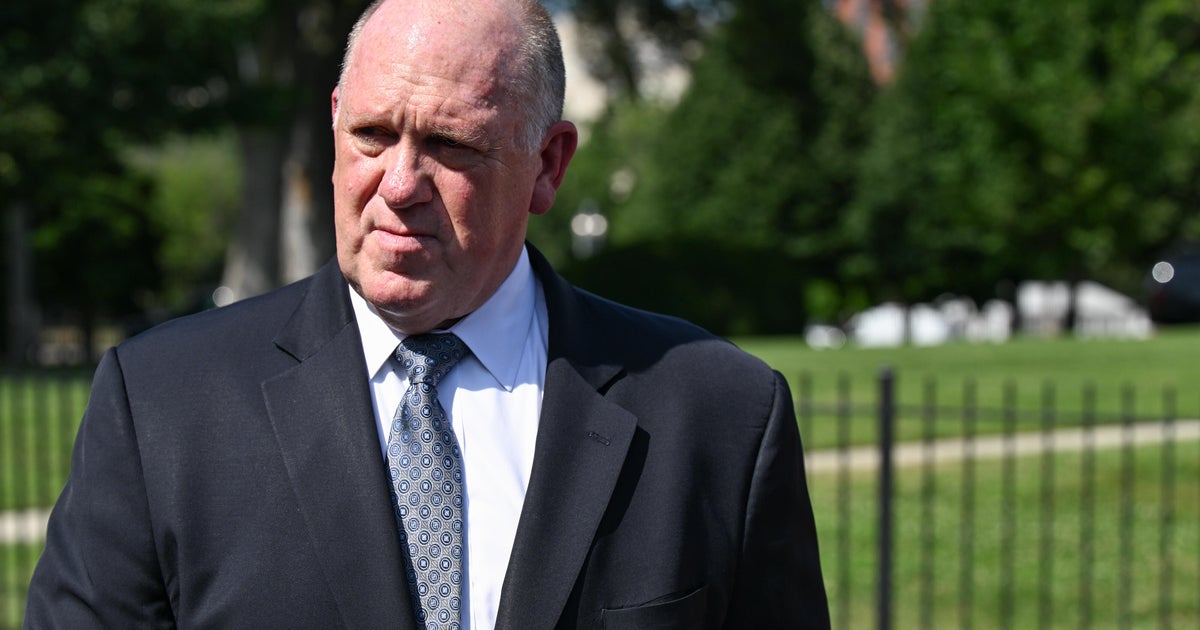
Facts reported: CBS published a transcript of a July 19, 2026 Face the Nation interview between Margaret Brennan and Tom Homan. Brennan referenced recent deaths (a fatal shooting in Maine, a fatal shooting in Houston, and a fatality in Florida involving a tractor-trailer) and asked Homan to respond; Homan repeatedly urged waiting for investigations, said he believes some operations used emergency lights and agent insignia, and defended the need to comply with law enforcement. He said body-worn camera funding and deployment for ICE had been delayed, referenced earlier and later funding amounts during the exchange, and claimed cameras have been purchased and trainers are being prepared. Homan declined to comment on DHS's released list of 250,000 noncitizens in four states, saying he was not in the loop. Attributed claims vs. uncertainty: Homan's statements about lights being used, specific funding totals ($120 million), and completion of camera purchases are his assertions in the transcript and are not independently verified within the article; Margaret Brennan notes $20 million had been provided in April, which complicates Homan's funding claim and is presented in the exchange as an apparent fact but without documentary citation in the transcript.
Source and Framing Analysis
Source role and framing: This is a verbatim transcript of an interview conducted and published by CBS News. The piece functions as primary reporting of a televised interview rather than investigative reporting. Missing voices: the transcript does not include voices from victims' families (beyond what Brennan paraphrases), local law enforcement investigators, independent oversight bodies, DHS spokespersons confirming Homan's operational claims, or civil-rights and immigrant-advocacy groups. Incentives: CBS aims to inform viewers/readers and to hold officials to account by asking follow-up questions; Homan has an interest in defending ICE practices and in framing agency actions to emphasize officer safety and institutional legitimacy. Disputed or unverifiable claims in the transcript—such as whether emergency lights were activated in a specific incident, the precise funding amounts and procurement status for body cameras, and causal links between local rhetoric and compliance—require independent verification (police reports, 911/city video, procurement records, DHS statements, and investigative findings).
Biblical Reflection
From a Christian pastoral perspective, the interview reflects two legitimate civic goods—public safety and accountability—tensioned against each other. Homan emphasizes order, compliance with law enforcement, and administrative responses (body cameras). Those are important for community safety and trust. Yet several of his factual assertions (e.g., that emergency lights were activated, that cameras were fully purchased and deployed) are presented without independent verification in the transcript. The rhetoric he uses about sanctuary cities potentially 'emboldening' noncompliance risks simplifying complex social realities and can diminish empathy toward vulnerable migrants. Christian discernment calls for honest pursuit of the truth: insist on transparent, evidence-based accountability for incidents of death or injury; protect the safety of officers and civilians; and minister compassionately to victims and communities harmed. Churches should avoid uncritically adopting politicized frames and instead press for both justice (clear, verifiable investigation and accountability) and mercy (care for grieving families and undocumented neighbors).
Scripture in context
- 1Proverbs 31:8-9 — In Proverbs the call to 'speak up for those who cannot speak' functions as practical wisdom: leaders and communities are urged to defend the rights of the poor and needy against injustice and falsehood. — Applied here, the passage urges Christians to advocate for transparent investigations and protections for people harmed in enforcement actions, to give voice to grieving families, and to pursue justice without abandoning mercy toward those accused or serving in law enforcement.
Faithful Response
Pray for truth, grieving families, agents, and investigators and commit to informed patience while investigations proceed.
Seek verified information before forming public judgments; encourage friends and church members to prefer documented sources over rumors or social media clips.
Support concrete assistance for affected families and immigrants (practical aid, referrals to legal help, pastoral care) while pressing for transparent, independent investigations.
Reflection and Discussion
- 1Which claims in this interview are directly supported by evidence in the transcript, and which are assertions requiring outside verification?
- 2How might political language about 'sanctuary cities' shape public perception and the willingness of people to comply with law enforcement, and what unspoken assumptions should we challenge?
- 3What actions would demonstrate both a commitment to public safety and to the dignity and protection of migrants in our local communities?
Sources
Reporting links are evidence inputs; Sanctuary News' biblical reflection is commentary.
This outlook currently relies on fewer than two linked sources. Broaden verification before teaching from it.
- 1.Transcript: Border czar Tom Homan on "Face the Nation with Margaret Brennan," July 19, 2026primary_reporting