News Summary
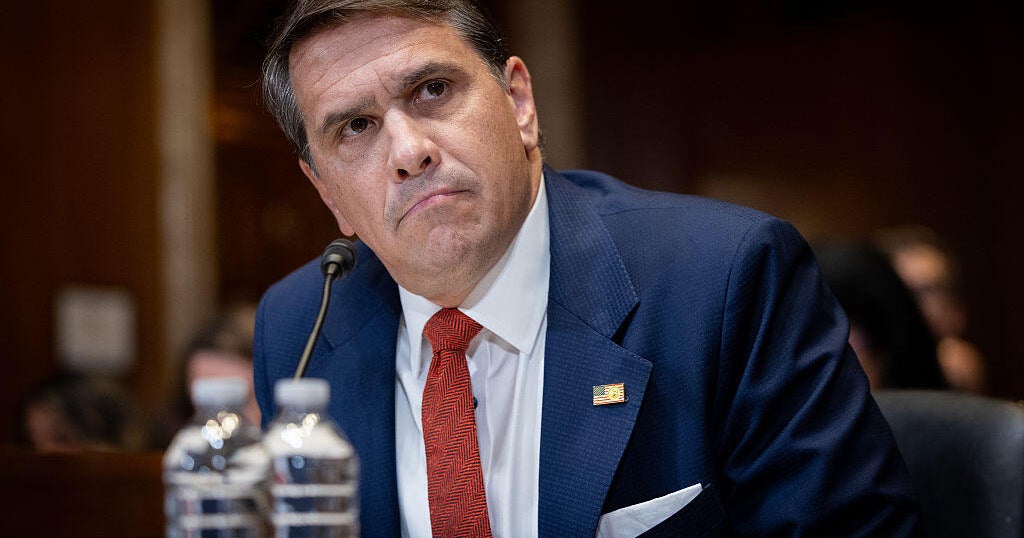
Acting Attorney General Todd Blanche is scheduled to appear before the Senate Judiciary Committee for a confirmation hearing to become permanent Attorney General. Republican senators, notably Thom Tillis and John Cornyn, are expected to ask tough questions, particularly about a controversial $1.8 billion "anti-weaponization" fund created under a settlement of President Trump's civil suit over IRS leaks. Blanche previously told Congress the Justice Department was "not moving forward" with the fund but declined to put that in writing; the DOJ also did not provide a sworn declaration when requested by a federal judge. A Miami federal judge issued a sharply critical opinion of the settlement and Blanche's broad release order that granted Mr. Trump and related entities immunity from future tax claims arising from so-called "lawfare and/or weaponization," questioned whether ethical rules were violated, and referred the order to the State Bar of New York. More than 1,200 former DOJ employees urged the Senate Judiciary Committee to reject Blanche's confirmation, accusing him of overseeing improper firings and politicized personnel actions. Blanche has defended himself and has framed some critics as politically aligned with former special counsel Jack Smith. The hearing may also touch on federal probes and indictments involving public figures such as James Comey, Letitia James, and John Brennan. Blanche's background includes earlier work as a federal prosecutor, private practice, leading Trump's New York defense team on state charges, prior confirmation as deputy attorney general (52-46), and service as acting attorney general following Pam Bondi's removal. President Trump publicly urged Republican senators to confirm Blanche.
Biblical Reflection
From a Christian perspective the central concerns here are justice, integrity, and the common good. The article reports a mix of legal rulings, congressional scrutiny, and political advocacy that point to tensions between institutional duty and partisan influence. The Miami judge's rebuke and the large letter from former DOJ employees raise serious questions about conflicts of interest, the proper role of the Justice Department, and whether established processes and ethical norms were followed. At the same time, the story includes defensive responses and political endorsements, showing how legal decisions and appointments are embedded in partisan loyalties. Christians should seek truth-seeking impartiality: insist on accountability where there is credible evidence of ethical lapses, while avoiding reflexive partisanship that excuses misconduct by allies. Pray for fair processes, transparent facts, and leaders who pursue justice with humility and mercy. Practically, the article is fact-heavy but leaves several open questions (the final status of the fund, the outcomes of referrals, and the full record of personnel actions), so readers should treat some claims as contested until documents and rulings are finalized.
Scripture in context
This outlook does not yet include contextual Scripture citations. Do not treat a general biblical theme as an exegetical conclusion.
Faithful Response
No prescribed response is offered. Consider the reflection prompts below in your own church context.
Reflection and Discussion
- 1Does this coverage help you distinguish between lawful settlement practice and potential abdication of the public interest — and what evidence would you look for next?
- 2How might partisan loyalty shape both decisions inside the Justice Department and public narratives about them, and how should Christians weigh those influences?
- 3Where does the need for institutional integrity intersect with mercy and restoration when officials are accused of wrongdoing?
Sources
Reporting links are evidence inputs; Sanctuary News' biblical reflection is commentary.
This outlook currently relies on fewer than two linked sources. Broaden verification before teaching from it.
- 1.Original reportprimary