News Summary
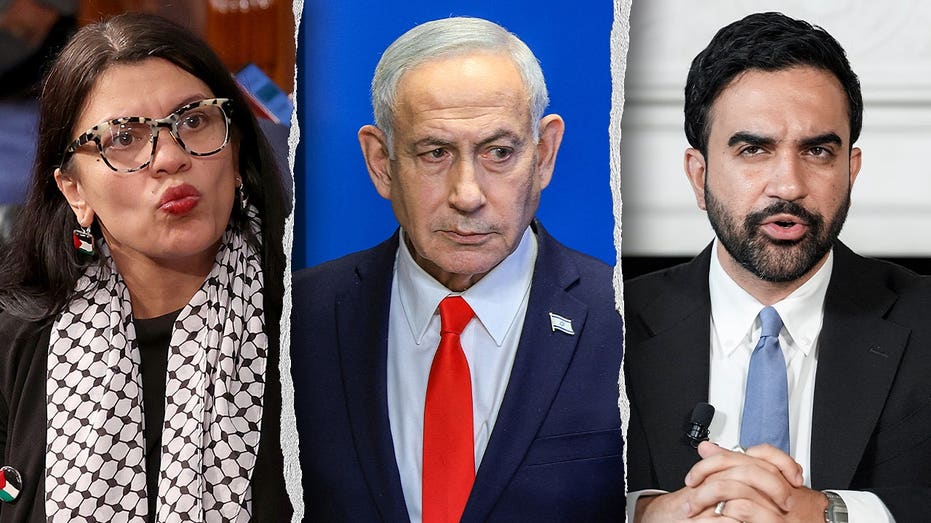
Reported facts: Fox News reports that Rep. Rashida Tlaib offered to help Rep. Zohran Mamdani in an effort to arrest Israeli Prime Minister Benjamin Netanyahu and that members of the Democratic caucus are divided over the idea. Attributed claims: The article reports Rep. Jerry Nadler's statement that such an arrest would violate a United Nations treaty. Uncertainty: The report does not provide full quotes, legal analysis, direct statements from Mamdani or Netanyahu, nor documentation of how an arrest would be attempted or enforced.
Source and Framing Analysis
The supplied story is brief and framed around a provocative headline. It presents a dramatic offer and a counter-argument about treaty obligations but lacks contextual detail: there is no transcript or extended quotations, no legal analysis explaining which UN instrument Nadler referenced, and no on-the-record responses from the other principals. That lack of context increases the story's sensational feel and leaves important factual questions unresolved.
Biblical Reflection
The sharp language in this report reflects deep moral anger in some quarters about leadership and alleged wrongdoing. As Christians we are called both to pursue justice and to love our neighbors, which means resisting calls to dehumanize opponents or to celebrate extrajudicial measures. The Bible repeatedly centers both justice and restraint: we must insist on lawful processes, careful evidence, and protections for the vulnerable rather than swift, politically charged acts that could inflame violence.
At the same time, legitimate accountability for leaders is not to be dismissed; institutions and citizens should pursue credible legal avenues where evidence exists. The article highlights a dilemma—passion for justice can collide with international law, diplomacy, and potential harm to civilians. Christians should critique both the failures that produce righteous anger and any rhetoric that short-circuits due process or fuels enmity.
Practically, faithful Christians should pray for truth, engage in informed civic conversation, encourage lawful accountability where warranted, and welcome peacemaking efforts that protect life and dignity for all affected communities. Our posture should be marked by humility, a refusal to delight in the downfall of others, and an active care for those most at risk in any escalation.
Scripture in context
- 1Romans 12:17-21 — Paul instructs Christians living within a pagan Roman society not to repay evil for evil, to live peaceably with all as far as it depends on them, and to leave judgment to God while doing what is right. — This passage cautions against personal or political vengeance and urges believers to pursue peace and lawful justice; it calls Christians to avoid retributive zeal that bypasses due process and to act in ways that reduce harm to neighbors.
Faithful Response
Pray for sober judgment and for those affected on all sides; seek reliable information and avoid amplifying inflammatory rhetoric; support lawful, transparent channels for accountability; care pastorally for people in your congregation who are personally connected to the conflict; advocate for policies that protect civilians and pursue reconciliation.
Reflection and Discussion
- 1How does Scripture shape the way we evaluate calls for dramatic accountability versus careful legal process in international affairs?
- 2In what ways might political rhetoric intended to signal solidarity actually increase danger for vulnerable civilians, and how should that possibility shape Christian public speech?
- 3What does love of neighbor require when neighbors include people on both sides of a polarizing geopolitical conflict?
Sources
Reporting links are evidence inputs; Sanctuary News' biblical reflection is commentary.
This outlook currently relies on fewer than two linked sources. Broaden verification before teaching from it.
- 1.WATCH: Tlaib tells Mamdani to 'call me' for help arresting Netanyahu as Democrats remain dividedprimary_reporting