News Summary
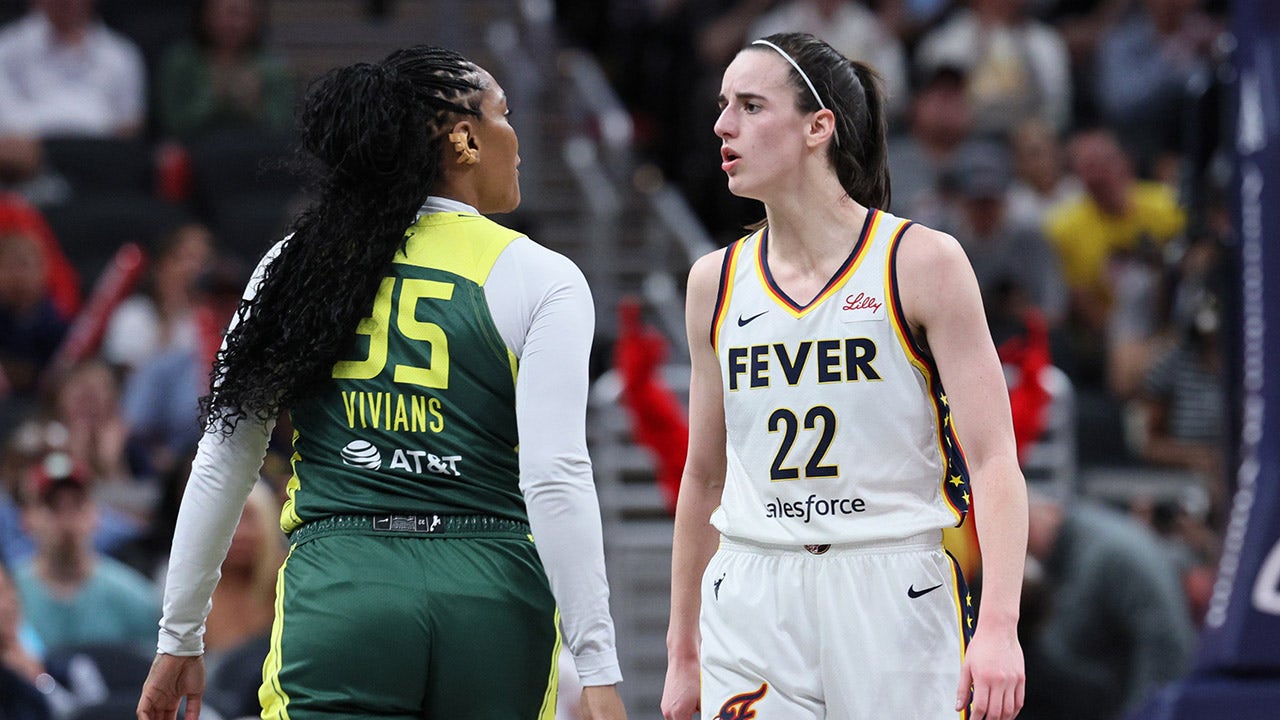
The article catalogs a series of hard-contact incidents involving Caitlin Clark in the WNBA from her 2024 rookie season through 2026, describing hits, no-calls, retroactive upgrades of fouls, and subsequent public controversy. Incidents cited include: a screen by Breanna Stewart in Clark's pro debut; intense defensive pressure by the Los Angeles Sparks and a bump by Victoria Vivians; a hip/shoulder check by Chennedy Carter later upgraded to a Flagrant-1; a ruptured eardrum after contact with Jonquel Jones; a forearm/forehead impact from Angel Reese upgraded to Flagrant-1; Clark's own retaliatory arm swipe against the Minnesota Lynx resulting in a technical; a forceful charge by Diamond DeShields upgraded to Flagrant-1; an elbow by Jackie Young that was not upgraded; an eye injury in a 2024 playoff game involving DiJonai Carrington that produced a black eye and intense online debate; a physical escalation against Connecticut that led to ejections and a retroactive Flagrant-2 for Marina Mabrey; a season-ending groin injury for Clark in 2025; and a 2026 game in which Alyssa Thomas kneed and then pressed a fist to Clark's throat — initially uncalled, later ruled a non-basketball act by the league and assessed as a Flagrant-2 with a one-game suspension. The article notes recurring themes: fans' and commentators' claims that Clark is being targeted, debates invoking race and politics, criticism of officiating for missed calls, social-media firestorms, public statements from coaches, players, the WNBPA, team officials, and retroactive league discipline in some cases.
Biblical Reflection
Viewed through a Christian lens, this story raises two main concerns: the physical welfare of human beings and the character of our public discourse. Competition and physicality are part of basketball, but repeated incidents that risk serious injury demand sober institutional responsibility — officials and league leaders must prioritize player safety over spectacle. At the same time, the media and social-media responses show how quickly narratives harden and how readily disputes about motives become racialized or politicized; Christians should be cautious about rushing to label intent without clear evidence and about participating in dehumanizing online attacks. The article itself leans into episodic outrage and conflict framing, which can amplify division and encourage fans to prioritize team or celebrity loyalties over mercy and truth. Pastoral discernment calls for advocating for just, transparent processes (consistent officiating and timely league discipline), protecting the vulnerable (players at risk of injury), and treating accused players and victims with both accountability and compassion. Seek facts before assigning malice, press institutions for better safeguards, and resist the easy gratification of culture-war narratives that obscure the real human costs.
Scripture in context
This outlook does not yet include contextual Scripture citations. Do not treat a general biblical theme as an exegetical conclusion.
Faithful Response
No prescribed response is offered. Consider the reflection prompts below in your own church context.
Reflection and Discussion
- 1Are we letting the desire for dramatic narrative and team loyalty override careful, evidence-based judgment about intent and safety?
- 2Does social media encourage us to assign motives (racial or political) before institutions complete fair reviews, and how does that shape public pressure?
- 3Are league systems and referees responding proactively to repeated dangerous plays, or mostly reacting after public outcry?
Sources
Reporting links are evidence inputs; Sanctuary News' biblical reflection is commentary.
This outlook currently relies on fewer than two linked sources. Broaden verification before teaching from it.
- 1.Original reportprimary