News Summary
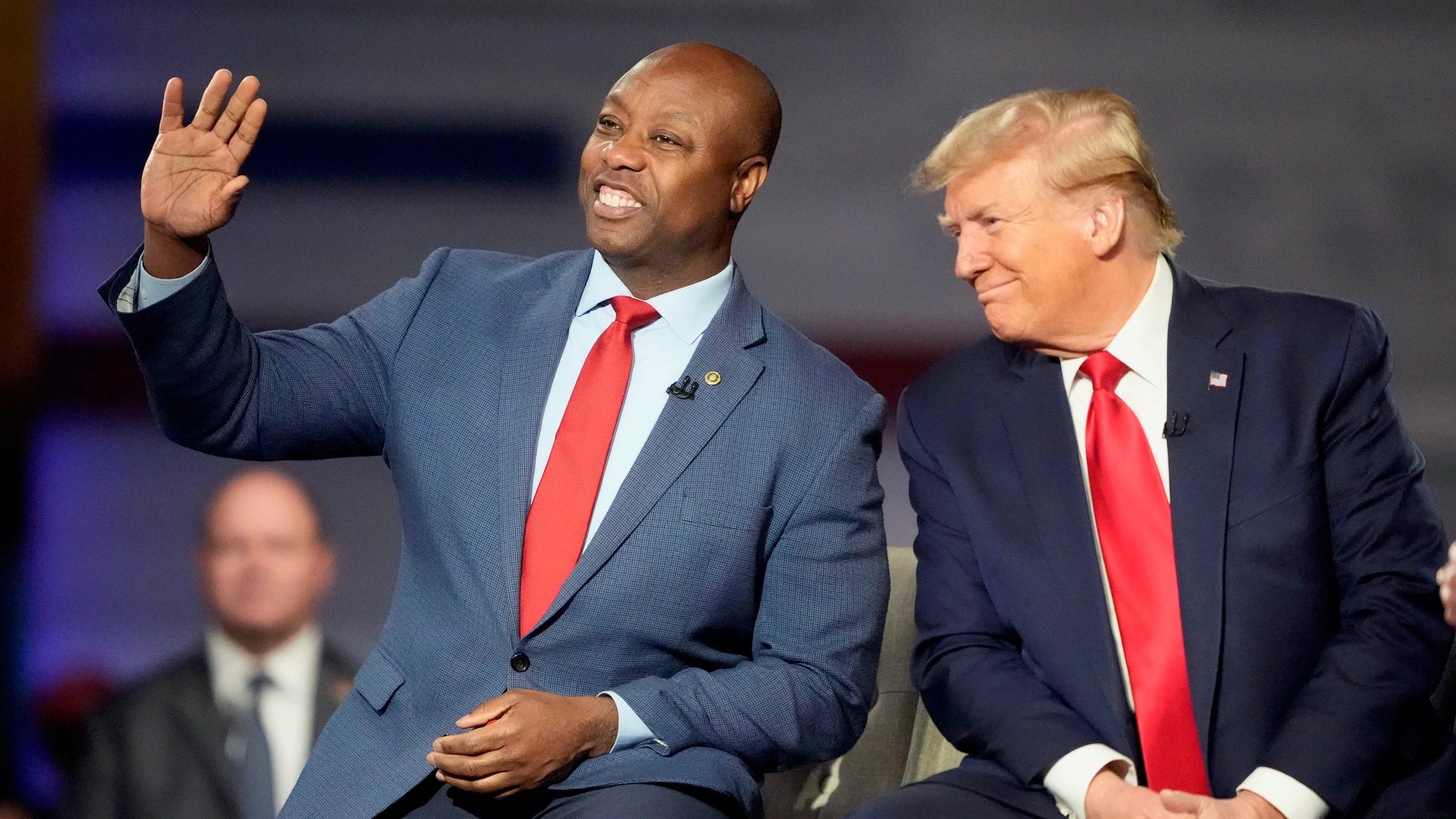
Senator Tim Scott, chair of the National Republican Senatorial Committee, emphasized in a recent Fox News interview that former President Donald Trump remains a central figure for Republican voters, asserting that 'Trump is on the ballot' for the 2026 midterm elections. The GOP, holding a 53-47 Senate majority, is seeking to expand its lead by targeting key battleground states and open seats, particularly in Michigan, New Hampshire, and Georgia. Scott highlighted affordability and the economy as the major issues, touting GOP-led initiatives and recent tax cuts as evidence of progress. Democrats counter that Republican policies have contributed to rising costs and argue they are better positioned to address economic concerns, pointing to their own recent electoral successes. The article outlines strategic Senate races, the importance of voter turnout, and the broader fight over economic messaging heading into the 2026 elections.
Biblical Reflection
From a biblical perspective, the intense focus on political victory, party loyalty, and economic promises raises questions about where Christians place their ultimate trust and hope. While civic engagement is a responsibility (Romans 13:1-7), Scripture repeatedly cautions against placing our faith in earthly leaders or parties, reminding us that it is God who establishes rulers and that true justice and provision come from Him (Psalm 146:3-5). The rhetoric of 'winning' and the use of political figures as rallying points can tempt believers toward division, idolization of human leaders, and neglect of Christ’s call to unity, humility, and care for the vulnerable. Christians should weigh campaign promises about affordability and economic progress by examining whether proposed policies promote justice, compassion, and the common good, especially for the poor and marginalized (Micah 6:8). Ultimately, believers are called to seek God's kingdom first and to act as peacemakers and witnesses of hope, regardless of political tides.
Scripture in context
This outlook does not yet include contextual Scripture citations. Do not treat a general biblical theme as an exegetical conclusion.
Faithful Response
No prescribed response is offered. Consider the reflection prompts below in your own church context.
Reflection and Discussion
- 1How can I engage in political processes without placing ultimate hope in human leaders or parties?
- 2Am I discerning whether economic promises align with biblical values of justice and care for the vulnerable?
- 3What does it look like to be a peacemaker and a voice for unity in a politically divided climate?
Sources
Reporting links are evidence inputs; Sanctuary News' biblical reflection is commentary.
This outlook currently relies on fewer than two linked sources. Broaden verification before teaching from it.
- 1.Original reportprimary