News Summary
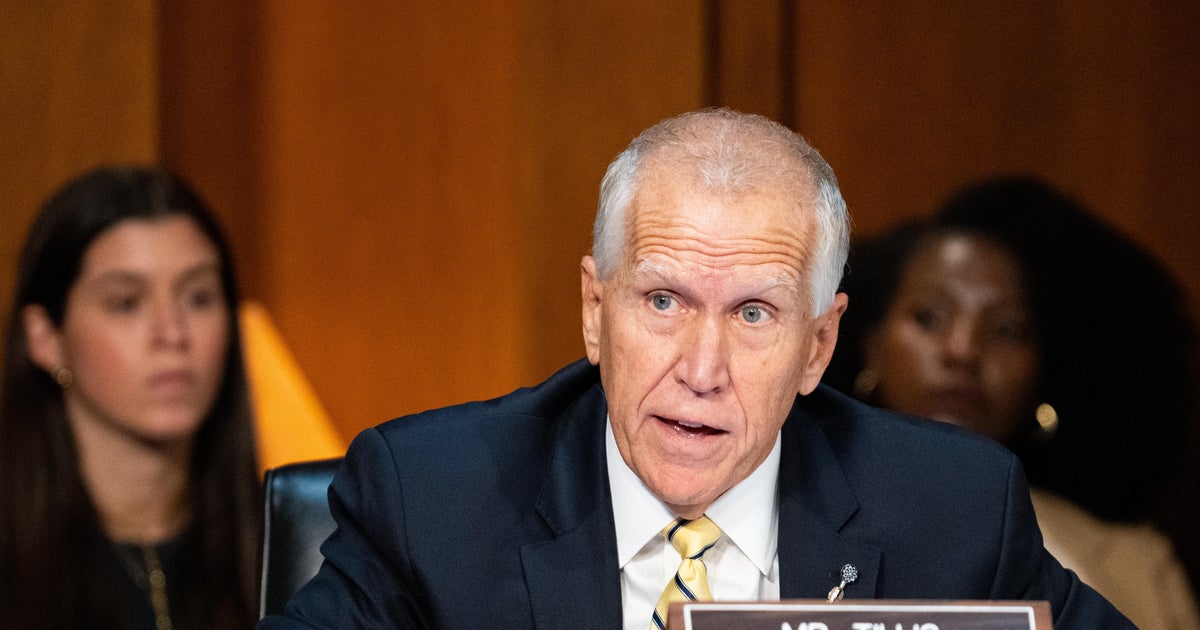
Sen. Thom Tillis said he will not vote to advance Acting Attorney General Todd Blanche's nomination out of the Senate Judiciary Committee unless Blanche meets with survivors of Jeffrey Epstein's abuse. Tillis made the statement during Blanche's confirmation hearing, after testimony from five witnesses including Dani Bensky, whose name was mistakenly disclosed in Justice Department documents released in December. Blanche apologized for mistakes in the release of the Epstein files and said Department staff could meet with survivors; he also said he is prohibited from meeting directly with them without counsel. The Judiciary Committee will not vote on the nomination for at least two weeks; Tillis said he expects the meeting to occur before any vote. Sen. John Cornyn has also voiced concerns and remains undecided. Senators questioned Blanche about a Justice Department settlement in which a proposed $1.8 billion “anti-weaponization” fund was part of the agreement and later described by Blanche as dead, while an immunity provision for former President Trump and related parties remained. Cornyn and other senators expressed concern that aspects of the settlement extend broadly. Tillis said he leans toward supporting Blanche but wants assurances the anti-weaponization fund will not return and sought presidential backing for a legislative fix; Senate Majority Leader John Thune expressed uncertainty about unanimous consent passage of such a bill. The Judiciary Committee is narrowly divided between Republicans and Democrats, making the votes of Republican senators such as Tillis and Cornyn pivotal to advancing the nomination.
Biblical Reflection
From a Christian pastoral perspective, this story raises core concerns about accountability, protection of the vulnerable, institutional integrity, and the use of political power. The demand that Blanche meet surviving victims before a vote centers survivors' voices and the moral obligation of justice institutions to address harm transparently — a response that aligns with biblical calls to defend the weak and seek justice. At the same time, the confirmation process is political; motives may mix genuine concern for victims with partisan calculations. Christians should be attentive both to the sincerity of calls for accountability and to the danger of treating survivors' needs as leverage. The questions about the DOJ settlement and immunity provisions point to larger issues of whether public offices serve justice impartially or are subject to political protection. Prudence and discernment are needed: press for concrete, verifiable actions that protect survivors and uphold the rule of law rather than taking reassurances at face value. Above all, insistence on truth-telling, humility from leaders, and tangible steps to prevent future harm reflect Christian virtues of justice, mercy, and courage.
Scripture in context
This outlook does not yet include contextual Scripture citations. Do not treat a general biblical theme as an exegetical conclusion.
Faithful Response
No prescribed response is offered. Consider the reflection prompts below in your own church context.
Reflection and Discussion
- 1Are the demands and objections in this confirmation process primarily about protecting victims and institutional integrity, or are they being used for political leverage?
- 2How should Christians weigh legal technicalities and institutional constraints against the pastoral need to listen to and support survivors?
- 3What concrete actions should an Attorney General nominee take to demonstrate commitment to impartial justice and to prevent future harm to vulnerable people?
Sources
Reporting links are evidence inputs; Sanctuary News' biblical reflection is commentary.
This outlook currently relies on fewer than two linked sources. Broaden verification before teaching from it.
- 1.Original reportprimary