News Summary
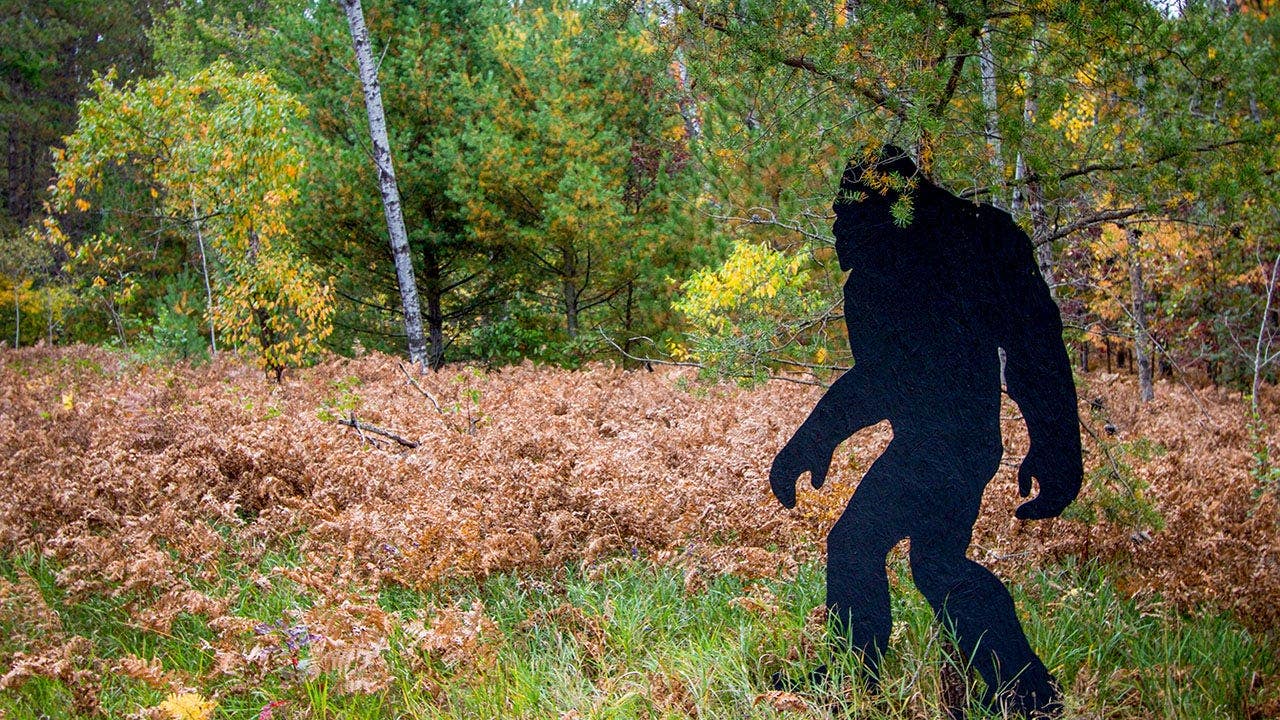
A father driving with his children posted a TikTok video showing a dark, humanlike figure standing among trees beside a road; the children claimed they had seen 'Bigfoot.' The video has amassed over 17 million views. The piece notes Todd Neiss, founder of the American Primate Conservancy, who says he believes in Bigfoot based on prior encounters and local reports of large footprints and eerie sounds. The article summarizes audience reactions: many commenters express skepticism (suggesting a yard display, poor camera quality, or a hoax), while others interpret the blurry figure as evidence of Bigfoot, with a few claiming multiple figures. The footage’s authenticity is not verified in the article, and the writer invites readers to decide or share their own stories.
Biblical Reflection
This story sits at the intersection of folklore, entertainment, and social media dynamics. Intention appears mixed: the father’s post may have been a genuine report, and the platform rewards shareable, mysterious content. The piece amplifies both believer testimony and public skepticism without independent verification, which is common with viral claims. From a Christian perspective, this invites careful discernment: seek truth (verify claims, avoid spreading unconfirmed reports) while showing humility toward honest witnesses and mercy toward those who enjoy folklore as harmless entertainment. Be alert that repeated sharing of unverified sensational content can erode trust in information and make it harder for communities to agree about facts—this matters for our witness as people called to bear truthful testimony. At the same time, an appetite for mystery and wonder is not inherently wrong; it can point to human longing for the unseen. Christians should balance curiosity with a commitment to honesty, kindness in response to others, and clear thinking about evidence.
Scripture in context
This outlook does not yet include contextual Scripture citations. Do not treat a general biblical theme as an exegetical conclusion.
Faithful Response
No prescribed response is offered. Consider the reflection prompts below in your own church context.
Reflection and Discussion
- 1What kinds of evidence do I require before accepting or sharing a sensational online claim?
- 2Who benefits when ambiguous footage is amplified—entertainers, platforms, local reputations—and how should that affect my judgment?
- 3How does our response to viral mystery stories shape the credibility of Christians as promoters of truth?
Sources
Reporting links are evidence inputs; Sanctuary News' biblical reflection is commentary.
This outlook currently relies on fewer than two linked sources. Broaden verification before teaching from it.
- 1.Original reportprimary