News Summary
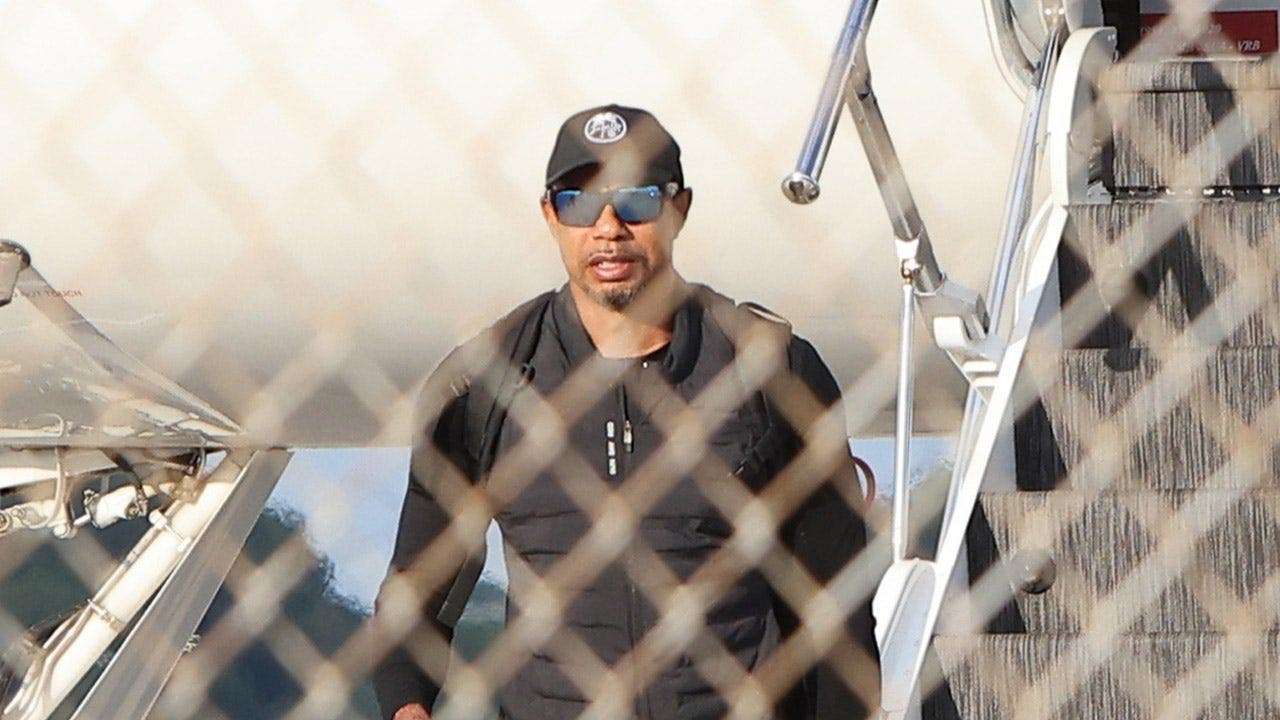
On March 27, 2026, Tiger Woods was involved in a rollover crash in Florida and was arrested and charged with driving under the influence; law enforcement reported he appeared lethargic, found hydrocodone pills on him, and he recorded zero on a Breathalyzer. Woods has pleaded not guilty to the DUI charge. On April 1, he was granted permission to travel abroad to enter comprehensive inpatient treatment. Woods issued a public statement acknowledging the seriousness of the situation and saying he would seek treatment and step away to focus on his health. He spent several weeks (a month-plus) at a residential rehab facility in Zurich, Switzerland, and was photographed deplaning at Palm Beach International Airport on May 13, 2026, returning to Palm Beach, Florida. At the scene of the March crash he had told officers he takes several prescription medications and cited multiple past surgeries. A judge later ruled that Florida prosecutors may obtain Woods' prescription drug records covering Jan. 1 through March 27, 2026. This incident follows a prior arrest years earlier in which Woods was found asleep behind the wheel in Florida.
Biblical Reflection
From a Christian perspective, this story raises two needs that should guide our response: accountability and compassion. The reporting documents legal and medical facts that warrant transparent accountability—legal review of prescription records and criminal charges are appropriate public matters. At the same time, the coverage centers on a prominent person's private health struggles, and Christians should resist voyeuristic or gleeful reactions. Addiction and medical recovery involve physical pain, mental strain, and spiritual brokenness; Scripture calls the community to both truthful accountability and restorative care (Galatians 6:1–2). Media framing that emphasizes scandal or prolonged speculation can deepen shame and impede healing. Theologically, we should affirm the pursuit of justice and safety (responsible legal process, public safety concerns about impaired driving) while practicing mercy and hope for restoration. Prayerful concern, support for evidence-based treatment, and avoidance of sensationalism best honor both truth and the image of God in every person.
Scripture in context
This outlook does not yet include contextual Scripture citations. Do not treat a general biblical theme as an exegetical conclusion.
Faithful Response
No prescribed response is offered. Consider the reflection prompts below in your own church context.
Reflection and Discussion
- 1Does the coverage emphasize immediate scandal over long-term recovery, and how might that shape the public’s willingness to support rehabilitation?
- 2How can Christians balance the need for legal accountability and public safety with compassion and respect for a person’s medical privacy?
- 3Are we framing struggles with prescription drugs and impairment as moral failure only, or are we recognizing the medical, psychological, and spiritual dimensions that require care?
Sources
Reporting links are evidence inputs; Sanctuary News' biblical reflection is commentary.
This outlook currently relies on fewer than two linked sources. Broaden verification before teaching from it.
- 1.Original reportprimary