News Summary
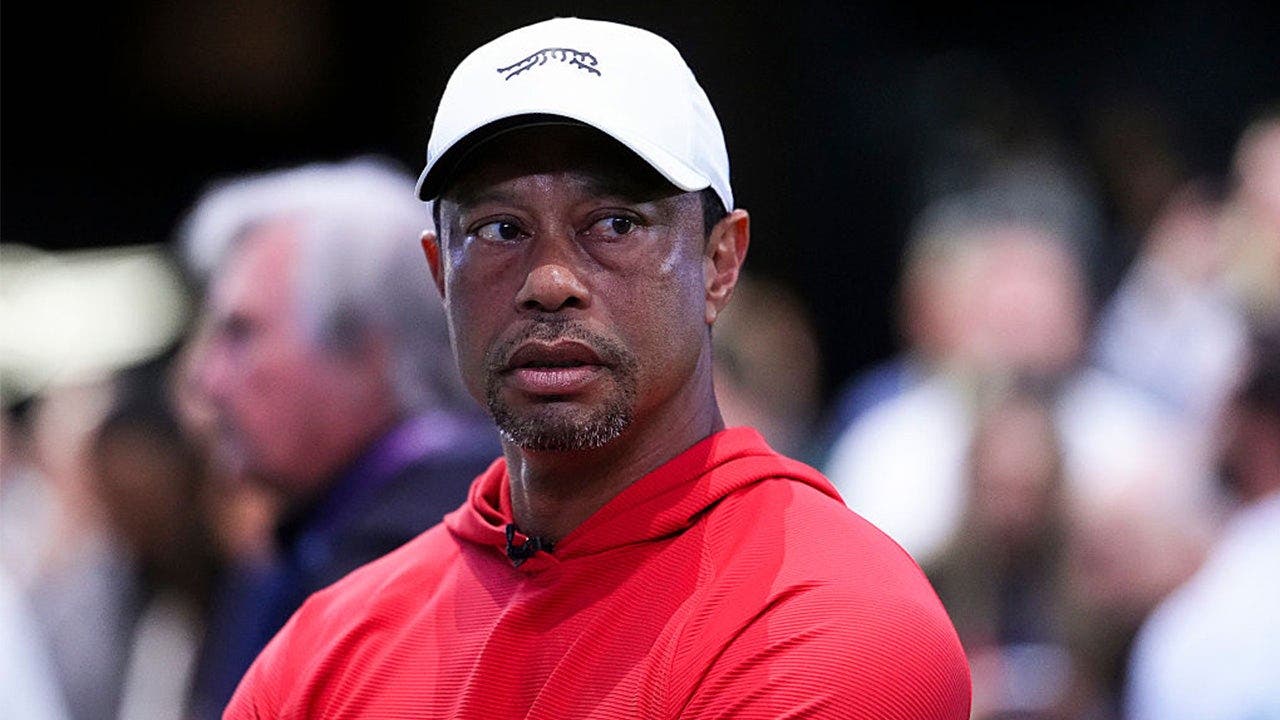
Tiger Woods made a public appearance to introduce PGA Tour CEO Brian Rolapp at a press conference; this was his first official appearance since a March 27, 2026 two-car rollover near his Jupiter Island, Florida home that led to a DUI charge (including property damage and alleged refusal to submit to a lawful test). Authorities reported Woods appeared lethargic and that hydrocodone pills were found at the scene; breath tests registered zero. Woods pleaded not guilty and was granted permission on April 1 to travel abroad, after which he entered inpatient treatment in Zurich. Separately, the PGA Tour approved recommendations from its Future Competition Committee to restructure competition beginning in 2028. The new model will run two concurrent series — a Championship Series (about 23–24 events, ~120-player fields) and a Challenger Series (about 144-player fields running concurrently) — with promotion and relegation between them. Championship Series players will be ineligible to play Challenger events. The Tour said at least the top 90 finishers (of ~130 Championship players) will be fully exempt for the following season, with a minimum of 20 players promoted from the Challenger Series. The Fall Series will become a 'last chance' set of 4–6 events offering limited spots on the next season's Championship Series. The postseason will shift in format to include match play and rotate the Tour Championship among notable courses; the Tour indicated 10 of an expected 15 Championship Series events for 2028 have been lined up.
Biblical Reflection
The article reports two related but distinct realities: a public figure's personal legal and health situation and a major organizational change in a sport. The facts presented about the DUI, charges, and treatment appear specific and verifiable; however, the coverage blends personal scandal with business news in ways that can amplify salacious interest over sober analysis. From a Christian perspective we should hold to both truth and mercy: demand accountability and transparency about substance use and legal responsibilities, while resisting rush-to-condemnation that ignores the possibility of repentance and recovery. Tiger Woods is a leader with broad influence; that calls for disciplined accountability and for a pastoral posture of compassion toward someone publicly struggling. The Tour's structural overhaul raises questions about justice and stewardship — promotion/relegation and changes to exemptions will materially affect players' livelihoods, equity of opportunity, and the character of the sport. Christians should watch for whether reforms protect the vulnerable (players on the margins), promote fair competition, and avoid prioritizing profit or spectacle over human dignity. Also be aware of media framing: headlines and linked opinion pieces can nudge readers toward judgment or entertainment rather than careful moral reflection.
Scripture in context
This outlook does not yet include contextual Scripture citations. Do not treat a general biblical theme as an exegetical conclusion.
Faithful Response
No prescribed response is offered. Consider the reflection prompts below in your own church context.
Reflection and Discussion
- 1How does the media's mixing of a public figure's personal crisis with organizational news shape our appetite for scandal versus our attention to structural change?
- 2When sports organizations change rules that affect livelihoods, whose welfare should be prioritized: elite competitiveness, commercial interests, or the stability and dignity of lower-ranked players?
- 3Are we responding to reports of addiction with a posture of just condemnation or with a balance of accountability and mercy that encourages recovery?
Sources
Reporting links are evidence inputs; Sanctuary News' biblical reflection is commentary.
This outlook currently relies on fewer than two linked sources. Broaden verification before teaching from it.
- 1.Original reportprimary