News Summary
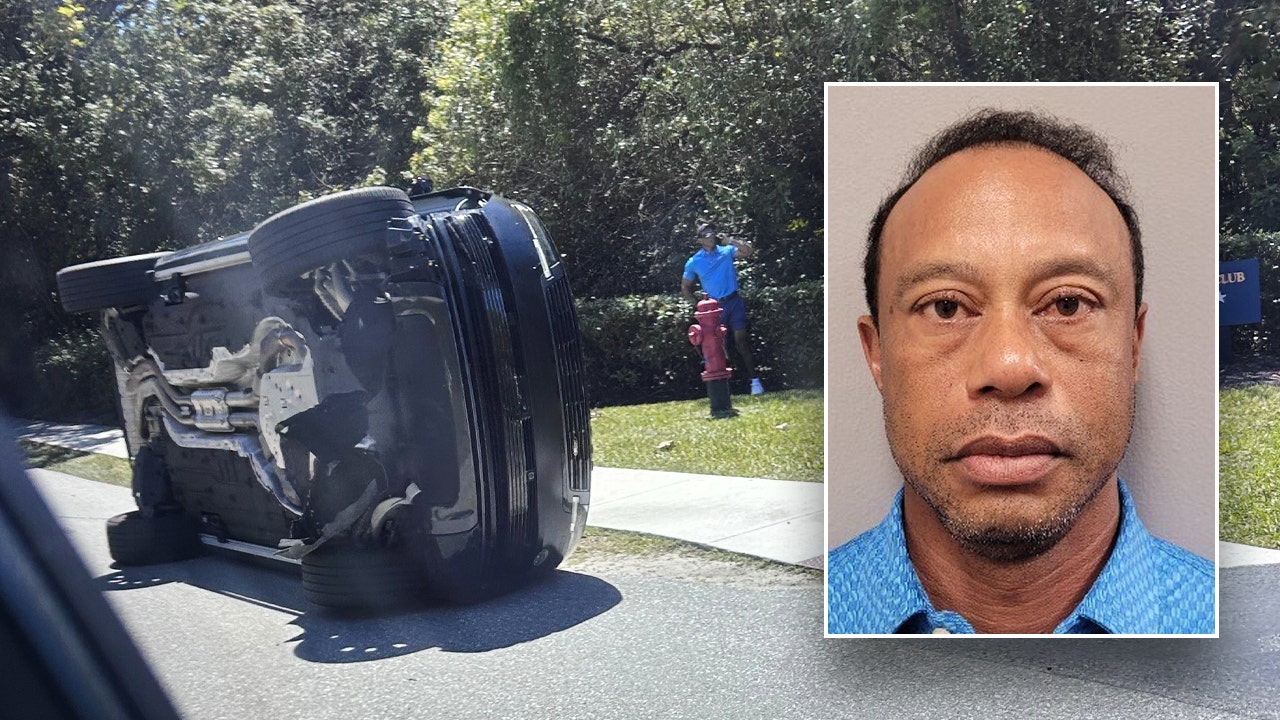
On March 27, 2026, Tiger Woods was involved in a single-vehicle crash in Martin County (Jupiter Island/Stuart), Florida; the vehicle reportedly overturned. Woods was arrested on a charge of driving under the influence. According to Martin County Sheriff John Budensiek, Woods submitted a breathalyzer at the scene and registered “triple zeroes,” but refused to provide a urine sample. Legal commentator Donna Rotunno told Fox News Digital that a DUI conviction may be difficult to obtain given the breath test result and lack of chemical evidence, but prosecutors could pursue penalties related to refusal to submit chemical testing and may take Woods’s prior 2017 DUI-related case into consideration. The article notes Woods’s prior 2017 DUI arrest (resulting in a plea to reckless driving and diversion/monitoring) and his 2021 rollover crash; Woods has not commented on the 2026 arrest.
Biblical Reflection
What the article reports is factual in scope but framed through expert legal commentary that emphasizes prosecutorial strategy and the possibility of making an example of a public figure. From a Christian perspective, several realities deserve attention: (1) human fallibility is universal — public status does not exempt anyone from lapse, consequence, or the need for grace (Romans 3:23; 6:23). (2) Truth and due process matter: the piece underscores legal distinctions (breath test vs. other chemical tests) and the burden of proof; Christians should resist rushing to judgment before facts and legal outcomes are established (John 7:24). (3) Compassion and accountability must go together: if addiction or recurring risky behavior is present, biblical love calls for both restoration and responsibility (Galatians 6:1–2). (4) Media coverage of celebrity incidents often heightens spectacle and speculation; the Gospel calls us to avoid schadenfreude and to pray for healing rather than revel in another's fall (Matthew 7:1–5). The article’s focus on the prosecutor’s leverage and the defendant’s name recognition signals a worldview where public shaming and deterrence can take precedence over pastoral care. A faithful Christian response is to seek truth, uphold justice, show mercy, and pray for repentance and restoration while supporting legal processes that protect public safety.
Scripture in context
This outlook does not yet include contextual Scripture citations. Do not treat a general biblical theme as an exegetical conclusion.
Faithful Response
No prescribed response is offered. Consider the reflection prompts below in your own church context.
Reflection and Discussion
- 1Are we treating this story as a spectacle about a celebrity, or are we centering concerns about truth, safety, and restorative care?
- 2How does the article’s emphasis on prosecutorial strategy shape our instincts toward punishment versus rehabilitation for someone with a known history of substance-related incidents?
- 3In what ways might our immediate reactions reflect a desire to judge rather than to seek the person's restoration and the protection of others?
Sources
Reporting links are evidence inputs; Sanctuary News' biblical reflection is commentary.
This outlook currently relies on fewer than two linked sources. Broaden verification before teaching from it.
- 1.Original reportprimary