News Summary
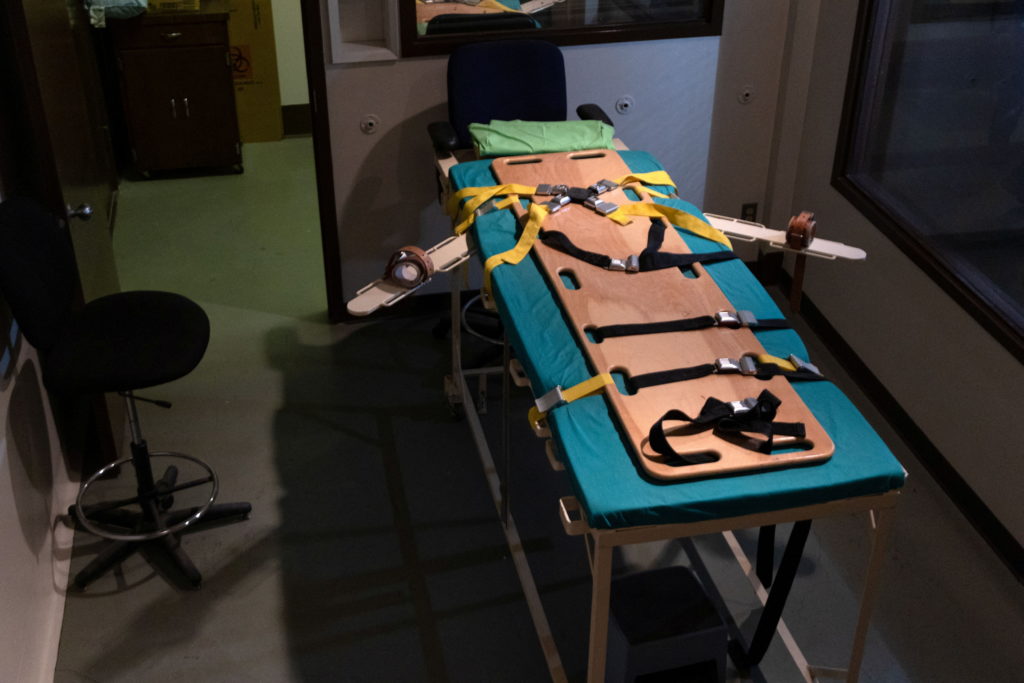
PBS NewsHour reported that Tennessee, Alabama and Oklahoma planned executions on the same Thursday — a scheduling described as notable and said to be the first such occurrence in nearly 16 years. The Guardian subsequently reported that Oklahoma executed Carlos Cuesta‑Rodriguez, pronouncing him dead at 10:13 a.m. at the Oklahoma State Penitentiary in McAlester; the Guardian named the victim (Olimpia Fisher) and the conviction year (2003). The supplied reporting establishes that three states scheduled executions and that at least one Oklahoma execution was reported as having occurred, but it omits key procedural and case details (the identities and case histories for the Tennessee and Alabama inmates, scheduled times and methods in those states, the legal status of appeals or clemency for each case, and primary documentary sourcing for the historical comparison).
Source and Framing Analysis
Two primary pieces of reporting are in the cluster and they differ in tone and specific factual detail. PBS NewsHour: neutral, concise, hedged language ('plan to', 'would be'), supplies the three states (Tennessee, Alabama, Oklahoma) and frames the scheduling as historically rare (nearly 16 years) but provides no case‑level details. The Guardian: supplies case‑level information for Oklahoma (name: Carlos Cuesta‑Rodriguez; age: 70; pronouncement time: 10:13 a.m.; location: Oklahoma State Penitentiary, McAlester; named victim: Olimpia Fisher; conviction year: 2003) and uses more interpretive language (e.g., characterizing the events as part of a 'renewed appetite' for state executions). Disagreements and uncertainties to note: PBS reports planned executions (hedged) while The Guardian reports at least one execution occurred; the historical claim is phrased differently across outlets ('since 2010' / 'nearly 16 years' vs. 'first time in over 15 years') and neither excerpt supplies primary documentary sourcing to verify that comparative claim. Important procedural and corroborating records (state corrections confirmations, court orders, clemency filings) are not present in the supplied material and are needed to resolve outstanding questions.
How sources covered this story
Sanctuary separately assesses reporting quality and alignment with Christian virtues. The virtues assessment considers truthfulness, dignity, compassion, justice, peacemaking, humility, and care for vulnerable people. It does not assess a publisher's faith or reward religious language.
Compare 2 reports
Reporting 80/100Virtues 75/100
- Distinctive contribution
- Names the executed person and victim, gives age, exact time and location of pronouncement, sentencing year, and frames the event as the first such triple execution in over 15 years.
- Framing
- The excerpt includes interpretive language—e.g., calling the event a “rare triple procedure that underlines the renewed appetite in the US for state killings”—which frames the executions as part of a broader policy or cultural shift toward more use of the death penalty.
- Omissions or uncertainty
- The supplied text does not source or substantiate the “over 15 years” claim (no reference to the prior date). It does not provide perspectives from family members, officials, legal advocates, or details about appeals, methods, or the other two scheduled executions.
- Why these scores
- The excerpt supplies concrete, attributable facts (names, time, place, conviction year) that are verifiable and newsworthy, and it places the event in a broader context. The framing is slightly interpretive (language like “renewed appetite”); the historical claim about 'over 15 years' is impactful but not sourced in the excerpt. Overall solid and specific reporting in the supplied text. The excerpt treats subjects by name and includes the victim’s name, avoiding anonymization; it avoids dehumanizing language though it uses morally charged phrasing (“state killings”), which signals moral concern rather than callousness. It contributes to truthful reporting about a grave human-rights issue, showing attention to dignity and seriousness, though it lacks voices from affected people that could deepen compassion and humility.
Rank 2
PBS NewsHour: 3 states are set to hold executions on the same day, a first in the US since 2010Reporting 78/100Virtues 75/100
- Distinctive contribution
- Lists the three states planning executions (Tennessee, Alabama, Oklahoma) and quantifies the historical rarity as 'nearly 16 years.'
- Framing
- Neutral, straightforward factual framing: describes planned executions and historical context without visible moralizing in the supplied text.
- Omissions or uncertainty
- Does not provide names, times, outcomes, legal context, or sourcing for the 'nearly 16 years' claim in the supplied excerpt. No perspectives from stakeholders are included in the excerpt.
- Why these scores
- Concise and factual: the supplied sentence gives clear, relevant facts (states and historical comparison). It responsibly communicates the news peg. It is brief and lacks sourcing or additional context in the excerpt, which prevents a higher score but is consistent with a solid news brief. The tone is neutral and factual, avoiding sensationalism or dehumanization. It contributes to truthful reporting about an issue involving life-and-death decisions. The excerpt does not include explicit empathetic voices or moral analysis, so while it aligns with virtues of truthfulness and sobriety, it lacks additional compassionate context that could raise the score.
Biblical Reflection
Christians should receive news that three states planned executions on the same day with sober concern for the dignity of every human life, attentiveness to justice and mercy, and pastoral sensitivity to all affected people. State executions concentrate governmental power and have profound consequences for victims’ families, the condemned, legal institutions, and the public conscience. The faithful response centers truth, mercy, justice, peacemaking, humility, and care for vulnerable neighbors: lament violence and loss; seek accurate factual information before making moral judgments; provide pastoral presence and grief support for survivors and those connected to the condemned; advocate for systems that weigh mercy alongside accountability; and curb sensationalism or triumphalism in public speech. This outlook calls for humble inquiry rather than partisan certitude and for actions that preserve human dignity while pursuing restoration where possible.
Scripture in context
- 1John 8:1–11 (Pericope of the woman caught in adultery) — A narrative in which Jesus confronts a situation where law and mercy appear to be in tension; religious leaders bring an accused woman before him to test whether he will endorse the strict application of Mosaic penalty. — This passage challenges Christians to resist reducing justice to mere retribution and to remember mercy and humility when judgment is exercised. It calls the faithful to weigh punishment against repentance, restoration, and the protection of the vulnerable.
- 2Romans 13:1–7 — Paul speaks about the role of governing authorities and their bearing of the sword, recognizing a limited and distinct role for civil order and sanction within the life of the church under Roman rule. — This text supports the duty to respect lawful authority while inviting careful discernment about how state power is exercised. It reminds Christians that civil order exists within broader obligations of conscience and neighbor‑love and that deference to authority does not relieve believers of moral responsibility to seek justice and mercy.
Faithful Response
Pray and lament for victims’ families, the condemned, legal officials, and all directly affected; prioritize pastoral presence rather than public spectacle.
Seek reliable primary information before forming definitive judgments: check state corrections departments, official execution logs, court dockets, and statements from attorneys or family members.
Provide compassionate pastoral care and listening spaces in congregations for people who are grieving, angry, or conflicted; avoid triumphal or dehumanizing language.
Support or refer to organizations that assist victims’ families and those that pursue fair legal process and criminal‑justice reform that balances accountability with restorative possibilities.
Encourage clergy and lay leaders to prepare clear, nonpartisan explanations of local procedures and timelines so congregants can make informed, charitable responses.
Reflection and Discussion
- 1How does Scripture inform the balance between upholding lawful authority and practicing mercy toward those condemned by the state?
- 2In what ways might our emotional responses to scheduled executions reveal impulses toward vengeance rather than restorative justice?
- 3What specific factual inquiries (names, timelines, appeals, clemency, execution methods, documentary records) should we pursue to evaluate whether the justice system acted fairly in these cases?
- 4How can congregations offer pastoral care to both survivors of violent crime and people connected to those condemned, while maintaining prophetic concern for justice?
Sources
Reporting links are evidence inputs; Sanctuary News' biblical reflection is commentary.
This outlook currently relies on fewer than two linked sources. Broaden verification before teaching from it.
- 1.3 states are set to hold executions on the same day, a first in the US since 2010primary_reporting