News Summary
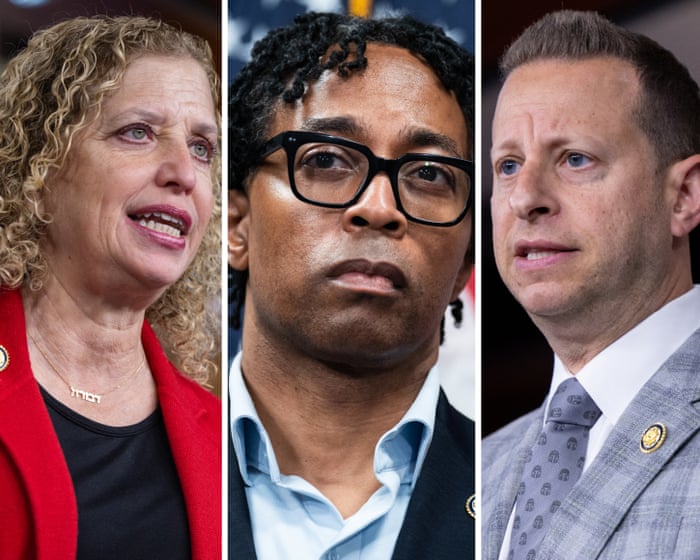
The Guardian reports that three Democrats described in that piece as "pro‑Israel" have been given roles on the U.S. House Foreign Affairs Committee: Debbie Wasserman Schultz and Wesley Bell are named as joining the committee, and Jared Moskowitz is reported as becoming a ranking member on a subcommittee. The article frames these appointments as running counter to rising progressive sentiment in the party—citing recent primary wins by candidates critical of Israel—and suggests the decisions may anger left‑wing activists. The supplied reporting does not include direct quotes from the named lawmakers, committee leadership, or progressive organizers, nor does it cite an official committee announcement in the excerpt provided.
Source and Framing Analysis
Source: The Guardian (single supplied source for this cluster). The article supplies specific personnel names and a clear interpretive frame: these appointments are presented as an intra‑party corrective to recent progressive primary gains and critical stances on Israel and Gaza. Framing notes: (1) language such as "rounding sharply counter" and "likely to anger" is interpretive and predictive rather than strictly factual; (2) the piece lacks on‑the‑record quotations or linked primary documents in the excerpt provided (no committee press release or public statements are included); (3) because only one outlet is supplied here, the article’s interpretive claims stand without corroboration from other reporting. Reliable follow‑ups would include the committee’s official roster/press release, public statements by Wasserman Schultz, Bell, and Moskowitz, and responses from progressive activists or groups cited as likely to object.
How sources covered this story
Sanctuary separately assesses reporting quality and alignment with Christian virtues. The virtues assessment considers truthfulness, dignity, compassion, justice, peacemaking, humility, and care for vulnerable people. It does not assess a publisher's faith or reward religious language.
Compare 1 reports
Reporting 72/100Virtues 75/100
- Distinctive contribution
- Identifies three named Democrats given key roles (Wasserman Schultz, Bell, Moskowitz) and explicitly frames the appointments as sharply counter to sentiment among progressive party activists who criticized Israel in recent primaries.
- Framing
- Frames the story as an intra-party conflict: appointments are presented as 'rounding sharply counter to popular sentiment within the party' and 'likely to anger leftwing activists,' emphasizing tension between establishment pro-Israel Democrats and recent progressive primary victories.
- Omissions or uncertainty
- The excerpt lacks specifics about the exact positions or subcommittee names (beyond 'foreign affairs committee'), does not provide direct quotes, sourcing, or evidence for the claim about 'popular sentiment' or activists' reactions, and offers no dates or procedural details about the appointments.
- Why these scores
- Concise and clear identification of actors and the political tension involved, which serves the piece's apparent purpose. However, the excerpt offers no on-the-record attribution, sourcing, or supporting evidence for claims about party sentiment or activist reactions and provides limited procedural detail, reducing depth and verifiability. The language is factual and non-dehumanizing, focusing on political disagreement rather than personal attacks; it acknowledges opposing views within a party. The piece does include speculative phrasing ('likely to anger') without documented evidence, which slightly lowers the score for humility and caution.
Biblical Reflection
These staffing choices are political, but they also are moral and ecclesial concerns: committee assignments shape how the nation exercises power and oversight in ways that affect civilian safety, humanitarian access, and prospects for peace. Christians are called to truth, mercy, and justice—so evaluate the appointments with careful attention to evidence and motive, pray for humility for all parties, and advocate for policies that protect the vulnerable. Scripture invites believers to pursue humility and to value the welfare of others (see Philippians 2:3–4 as a guiding posture). This outlook emphasizes peacemaking, dignity for all affected by conflict, and the church’s vocation to hold leaders accountable without dehumanizing opponents.
Scripture in context
- 1Philippians 2:3–4 — Paul’s letter to the Philippians urges believers to reject selfish ambition and to value others above themselves, pointing to humility and service as marks of Christlike community. — In political disagreement—including over committee appointments that affect foreign policy—Christians are called to pursue humility, to listen before asserting, and to prefer the welfare of neighbors, so that public service honors truth and the common good rather than partisan gain.
Faithful Response
Pray for the named lawmakers (Debbie Wasserman Schultz, Wesley Bell, Jared Moskowitz), for members of the House Foreign Affairs Committee, and for civilians affected by Israel‑Gaza hostilities.
Seek primary sources before firm judgment: read the official committee roster or press release, public statements from the named members, and any responses from progressive activists or groups mentioned.
When discussing the appointments, prioritize questions that seek understanding (Why were these members chosen? What responsibilities will the subcommittee role entail?) and avoid attributing unverified motives.
Advocate for policies and oversight that protect civilians and humanitarian access: contact representatives asking for transparency in foreign policy oversight and attention to humanitarian safeguards.
Provide pastoral space for congregants to express partisan anxieties while teaching commitments to humility, truth, and care for vulnerable neighbors.
Reflection and Discussion
- 1How should Christians balance party loyalty with prophetic calls for justice and protection of civilians in foreign policy?
- 2What does loving our neighbor look like when neighbors include civilians affected by distant conflicts, and how should that shape our political engagement?
- 3How can the church model respectful, fact‑based public conversation about contested appointments that both holds leaders accountable and preserves human dignity?
Sources
Reporting links are evidence inputs; Sanctuary News' biblical reflection is commentary.
This outlook currently relies on fewer than two linked sources. Broaden verification before teaching from it.
- 1.Three pro-Israel Democrats given key roles on House foreign affairs panelprimary_reporting