News Summary
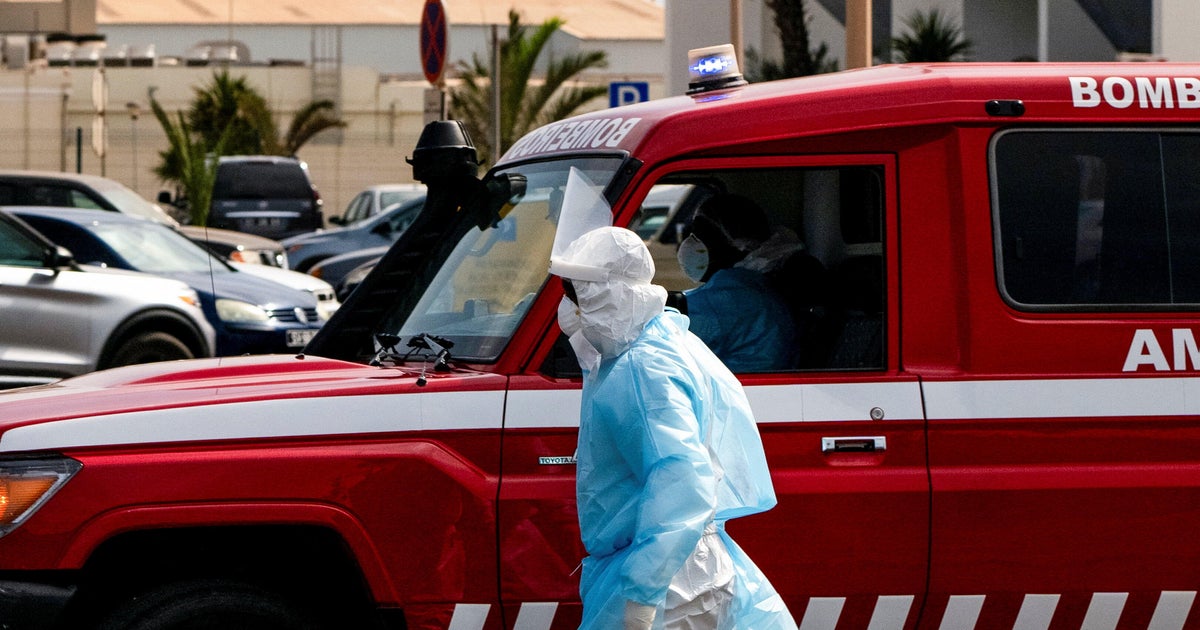
Three people suspected of having hantavirus were evacuated from the Dutch-flagged cruise ship MV Hondius and were being sent to the Netherlands for medical care, the World Health Organization said. The three include German, Dutch and British nationals (one a British crew member). The outbreak linked to the ship has resulted in three deaths. Spain’s national government and the WHO coordinated a plan for the ship to dock in the Canary Islands for a full inspection; Spain’s health minister later said the ship would dock at the port of Granadilla in Tenerife within three days. Regional Canary Islands leadership and the local mayor of Granadilla de Abona publicly opposed docking the vessel at that port and requested more information. A planned flight to evacuate the ship’s doctor to the Canary Islands was canceled; Spain later said the sick individuals would instead be treated in the Netherlands. South African authorities identified the Andes strain of hantavirus in two people previously on the cruise; Swiss authorities reported a case of the Andes strain in a passenger who had disembarked in late April. French authorities reported a confirmed contact case. WHO officials said the overall risk of a pandemic was low, while noting the Andes strain can be transmitted person-to-person (unlike many other hantavirus strains). As of the report, there were approximately nine suspected or confirmed cases linked to the cruise (three deaths and several people receiving treatment, including at least one British national in intensive care in South Africa). Oceanwide Expeditions said infectious disease specialists were being sent from the Netherlands to the ship. The vessel departed Ushuaia, Argentina, on April 1 and had been anchored off Cape Verde since the previous Sunday. Argentine authorities said they were reconstructing parts of the itinerary and would conduct rodent capture and analysis in Ushuaia; no linked cases had been identified in Argentina at the time of the report. Passengers have been asked to remain in cabins and national health authorities, in consultation with WHO, are deciding on possible quarantine measures (incubation reported as 1–8 weeks).
Biblical Reflection
What the article reports is a public-health incident involving a rare viral infection on an international cruise that has clinical, logistical and political dimensions. Biblically, this calls for clarity, compassion and wise stewardship. Truth and transparency matter: governments and health agencies need to share clear information so local communities and passengers can assess real risk rather than react to rumor or fear (Proverbs warns against spreading false reports). The story also reveals predictable tensions—national authorities coordinating internationally with WHO while local officials fear inadequate consultation and potential harm to nearby populations. Christians should be attentive to both ends: support measures that protect public health and vulnerable people (the sick, crew, and communities near ports) and insist on honest communication from leaders. The article largely presents factual updates and quotes from relevant officials and WHO specialists; however, media pieces can unintentionally amplify anxiety by focusing on conflict or worst-case language. The WHO’s statements that overall pandemic risk is low are important context that reduces the need for panic, while reporting confirmed identification of the Andes strain rightly highlights a real scientific concern (human-to-human transmission is possible with that strain). Spiritually, we are called to pray for the sick and their families, to treat those who suffer with mercy (Matthew 25), and to seek wisdom for leaders tasked with public safety (James 1:5). We should resist sensationalism, evaluate the reliability of sources, and prioritize caring action over fear.
Scripture in context
This outlook does not yet include contextual Scripture citations. Do not treat a general biblical theme as an exegetical conclusion.
Faithful Response
No prescribed response is offered. Consider the reflection prompts below in your own church context.
Reflection and Discussion
- 1Whose voices are centered in the reporting—medical experts, government officials, local leaders, passengers—and whose concerns might be underreported?
- 2How does the article balance necessary public-health caution with preventing unnecessary alarm, and what clues tell you whether coverage is responsible?
- 3Where do Christian commitments—to care for the sick, to speak truth, and to seek wise counsel—call us to critique or support the actions of officials and media in this situation?
Sources
Reporting links are evidence inputs; Sanctuary News' biblical reflection is commentary.
This outlook currently relies on fewer than two linked sources. Broaden verification before teaching from it.
- 1.Original reportprimary