News Summary
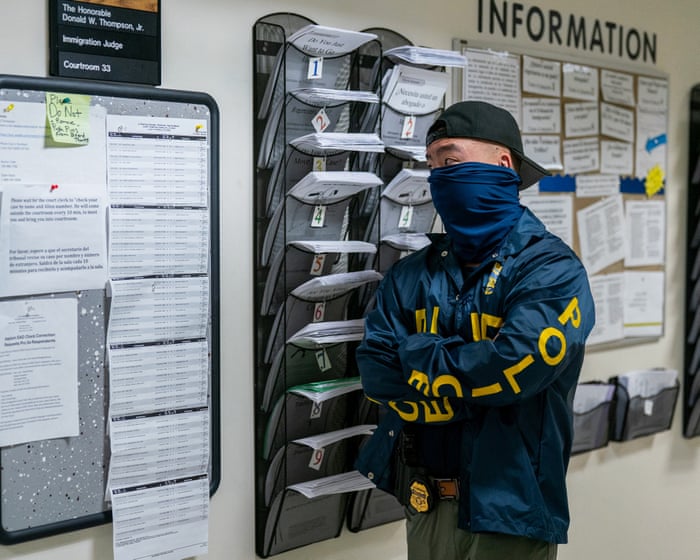
Reported facts: The Guardian reports that over 20,000 unaccompanied children risk losing legal representation after alleged federal funding cuts; the article states the administration severed ties with nearly 100 legal organizations and has been placing some children into fast-tracked hearings. Attributed claims: Warnings that children will appear in immigration court alone and that representation will be widely reduced are presented as claims by advocates and legal-aid groups. Uncertainty: The article does not supply independent government documents or multiple corroborating sources confirming the precise numbers, the list of organizations cut off, or the direct causal mechanism linking specific funding decisions to each child's loss of counsel.
Source and Framing Analysis
The story is based on reporting that cites advocates and legal-aid groups; those stakeholders have direct knowledge but also an advocacy perspective. The Guardian frames the situation as urgent and in terms of risk to children. Material uncertainties include the absence of publicly cited government statements or documentation in the article itself, limited named specifics (which organizations, which funding streams), and a reliance on advocates' estimates rather than independently verifiable government lists or court records within the text.
Biblical Reflection
This report raises an ethical alarm about how policy choices affect children who are already vulnerable. Biblical ethics repeatedly call the community to defend the fatherless and care for the stranger; when procedures and funding decisions diminish a child's access to counsel, the risk is not only legal but moral. Christians should weigh the report's claims with both compassion and due diligence: compassion compels urgent care for children threatened by reduced protections; diligence requires seeking corroborating evidence before alleging malintent or final outcomes.
The article's language suggests systemic change—ending ties with many legal organizations and accelerating hearings—that would reduce procedural safeguards for minors. As Christians, we must advocate for truth, not rumor: press for transparent information from officials and court administrators, support competent legal representation, and care practically for children affected. At the same time, maintain humility about what the public reporting establishes versus what remains uncertain.
Finally, the story invites the church to inhabit both mercy and justice: petition policymakers for fair process, support agencies that provide legal and social services, and model hospitality to those who are displaced. The posture Scripture commends is not merely outrage but constructive action that protects the defenseless and seeks the common good.
Scripture in context
- 1Matthew 25:31-46 (teaching on the sheep and the goats) — In this teaching, Jesus speaks about final judgment, identifying care for 'the least of these'—the hungry, the stranger, the prisoner, the sick—as constitutive of faithful discipleship; the passage addresses neighborly compassion within a community facing moral judgment. — This story calls Christians to see unaccompanied children as neighbors deserving protection; the passage reminds believers that how we treat the vulnerable is central to faithful living and should motivate both practical help and advocacy for fair treatment.
- 2James 1:27 (care for orphans and widows) — James contrasts mere religious observance with active love expressed toward those without protection in society, emphasizing pure religion as caring for vulnerable people. — The reported risk to children's legal representation is a concrete arena where 'pure religion' could be practiced—through legal support, advocacy, or material assistance to agencies serving these children.
Faithful Response
Pray specifically for the children, for attorneys who represent them, and for officials making funding and policy decisions.
Support reputable legal-aid organizations with donations or volunteer skills (translation, case support, fundraising) after verifying their credibility.
Contact elected representatives to request transparent information and urge policies that ensure access to counsel for minors in immigration proceedings.
Educate your congregation or small group with verified facts before organizing public statements or protests to avoid spreading unconfirmed claims.
Reflection and Discussion
- 1Do I treat policy reports about vulnerable people with compassionate urgency while also seeking reliable evidence and official confirmation?
- 2How should the Christian concern for the stranger and orphan shape advocacy priorities when government actions affect children?
- 3Am I prepared to invest time, resources, or advocacy on behalf of those who cannot easily advocate for themselves?
Sources
Reporting links are evidence inputs; Sanctuary News' biblical reflection is commentary.
This outlook currently relies on fewer than two linked sources. Broaden verification before teaching from it.
- 1.Thousands of immigrant children risk losing lawyers after Trump aid cutsprimary_reporting