News Summary
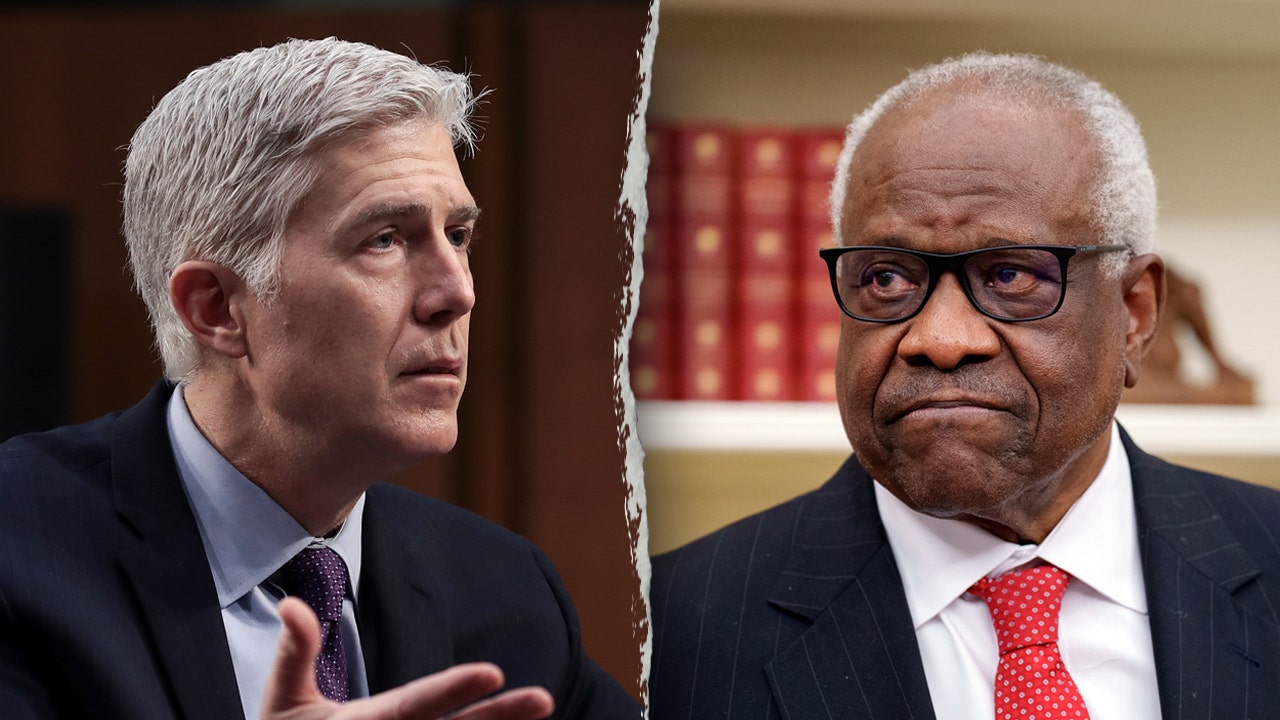
The U.S. Supreme Court declined to hear attorney Alan Dershowitz’s defamation lawsuit against CNN over an allegedly deceptive clip used during coverage of his statements in President Trump’s first impeachment trial. Justices Clarence Thomas and Neil Gorsuch dissented, arguing the Court should reconsider and overrule the 1964 New York Times Co. v. Sullivan precedent that imposes an 'actual malice' standard for public-figure defamation claims. Thomas and Gorsuch said that standard is not grounded in the Constitution and noted historical laws that imposed lower thresholds for punishments of defamatory statements about public officials. Dershowitz said the majority applied an 'impossible' evidentiary standard. The article also notes President Trump’s past calls to loosen U.S. libel laws and his own litigation against media outlets, and it places the dissent in that broader political context.
Biblical Reflection
This dispute raises two legitimate goods Christians should value: the protection of an individual’s reputation and the protection of truthful, vigorous public discourse. The actual-malice rule was created to protect speech about public figures and public affairs from being chilled by costly defamation claims; critics say it can let serious falsehoods go unremedied. The dissenters’ historical and constitutional arguments deserve careful legal scrutiny rather than partisan acceptance. Readers should watch for motivated framing: the story appears in a partisan news outlet and highlights conservative justices and critics of mainstream media, which can influence tone and emphasis. From a Christian vantage point, neither side should be given a free pass: public figures must be held accountable for false and harmful statements, but legal change that makes it easier to silence critics risks empowering the powerful to punish legitimate scrutiny. The faithful response is to pursue truth without cruelty—defend the wrongly maligned, call out deception, and resist efforts to weaponize the law to stifle necessary public conversation.
Scripture in context
This outlook does not yet include contextual Scripture citations. Do not treat a general biblical theme as an exegetical conclusion.
Faithful Response
No prescribed response is offered. Consider the reflection prompts below in your own church context.
Reflection and Discussion
- 1Who gains influence and who loses protection if libel standards for public figures are loosened?
- 2Does the language and sourcing of this report reflect legal analysis or partisan framing, and how should that affect my reading?
- 3How can Christians support both robust public accountability and the freedom for journalists to investigate powerful people?
Sources
Reporting links are evidence inputs; Sanctuary News' biblical reflection is commentary.
This outlook currently relies on fewer than two linked sources. Broaden verification before teaching from it.
- 1.Original reportprimary