News Summary
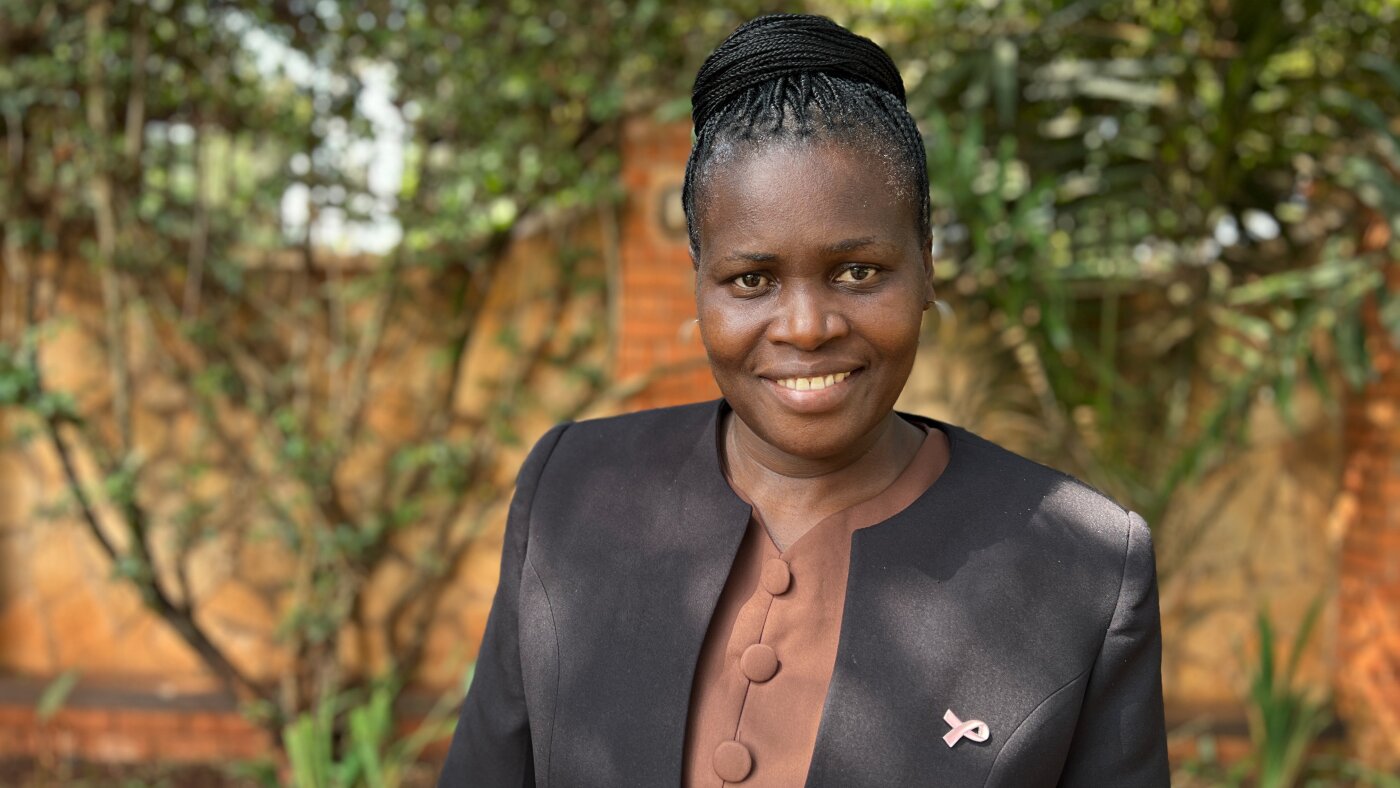
The article profiles Rays of Hope Hospice Jinja in Uganda, which has expanded its mission from traditional end-of-life care to include cancer prevention and treatment, particularly for cervical and breast cancer. Led by executive director Sylvia Nakami, the hospice began offering cancer screenings, education, and on-site treatments in 2018, with nearly 29,000 screenings conducted since. The hospice also educates communities about the HPV vaccine and helps facilitate vaccinations, reaching more than 47,000 girls. This proactive model is somewhat controversial in the palliative care community but has led to expanded services and staff, and a doubling of palliative care patients. The hospice faces funding challenges amidst a global decline in health funding, but continues to provide critical support—including food and pain relief—to patients with advanced disease, like Deborah Nanyonga, a widow and mother of seven. The article highlights similar models in Zimbabwe and India, and notes the need for prevention-based hospice care in resource-limited settings, with peer advocacy and grassroots efforts helping spread awareness.
Biblical Reflection
Through a biblical lens, the work of Rays of Hope Hospice is a powerful example of loving one's neighbor in action (Mark 12:31). Their shift from simply easing suffering to actively preventing it aligns with Christ’s call to seek not only to comfort but to heal and restore (Matthew 25:35-40). The hospice's boldness in expanding its mission—even in the face of skepticism and financial hardship—demonstrates faith in action, a willingness to use limited resources to serve the 'least of these' in their community. The focus on education, prevention, and tangible support for vulnerable women and children reflects the biblical directive to defend the cause of the weak and needy (Psalm 82:3-4). However, the article also highlights systemic challenges: the scarcity of resources, decreased global support, and the disproportionate impact on women and the poor. This should stir the Christian conscience to greater generosity, advocacy, and prayer for just systems that uphold the dignity and health of all people. In the midst of hardship, the hospice’s work embodies hope—a hope rooted not just in medicine, but in the gospel’s call to holistic compassion and justice.
Scripture in context
This outlook does not yet include contextual Scripture citations. Do not treat a general biblical theme as an exegetical conclusion.
Faithful Response
No prescribed response is offered. Consider the reflection prompts below in your own church context.
Reflection and Discussion
- 1How can I reflect Christ’s compassion by supporting or advocating for health initiatives in resource-limited communities?
- 2In what ways am I called to serve or stand with the vulnerable, both locally and globally?
- 3What does it look like in my life to move from simply comforting others to actively preventing suffering where possible?
Sources
Reporting links are evidence inputs; Sanctuary News' biblical reflection is commentary.
This outlook currently relies on fewer than two linked sources. Broaden verification before teaching from it.
- 1.Original reportprimary