News Summary
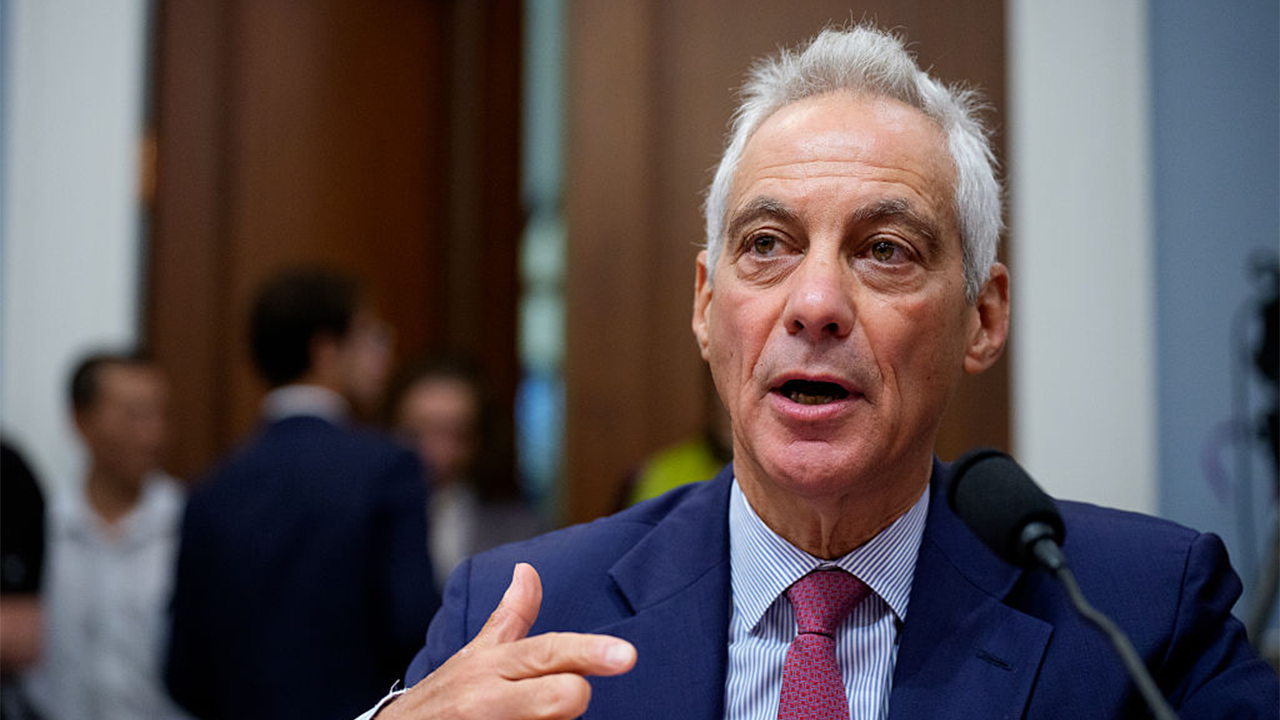
On a recent episode of the daytime talk show The View, co-hosts questioned former Chicago Mayor Rahm Emanuel about the United States' military action against Iran. During the discussion, Joy Behar and guest host Whitney Cummings suggested, without presenting evidence, that President Donald Trump might have initiated or escalated the conflict with Iran to divert public attention from the ongoing Epstein Files controversy. Emanuel criticized Trump’s choices, calling them poor and saying a president must make hard decisions between bad and worse. Emanuel also said presidents often seek legacy-making successes and joked about presidential narcissism. The co-hosts repeatedly linked media focus on Iran to a reduction of attention on the economy and the Epstein Files. The White House responded to Emanuel’s comments with a statement defending Trump’s actions toward Iran and criticizing Emanuel’s past support for the Iran nuclear deal. The article quotes remarks from the show and the White House response and frames the exchange as part of broader debate about the motives and competence of the president.
Biblical Reflection
This story blends political analysis, televised speculation, and partisan response. The talk-show segment presents conjecture (that military action was chosen as a distraction) as a question for discussion rather than a claim supported by evidence. Responsible discernment requires separating entertaining or rhetorical suggestions from documented facts: the program posed an accusation without offering corroborating proof, and the White House issued an immediate rebuttal. From a Christian perspective, we should resist rushes to explain complex geopolitical decisions by appealing to covert motives unless credible evidence exists. Scripture calls believers to truthfulness, humility, and careful speech; it also calls leaders to be held accountable. Christians can rightly demand transparency and seek justice for victims (including those affected by the Epstein crimes) while avoiding unverified accusations that feed polarization or slander. Note also the media dynamics: daytime panels often prioritize engagement and provocative questions over in-depth sourcing, and news outlets frame such exchanges within partisan contexts. Practically, apply biblical virtues—seek facts, pray for leaders and victims, speak truth in love (Ephesians 4:15), and avoid participating in rumor or cynical simplification of complex international events.
Scripture in context
This outlook does not yet include contextual Scripture citations. Do not treat a general biblical theme as an exegetical conclusion.
Faithful Response
No prescribed response is offered. Consider the reflection prompts below in your own church context.
Reflection and Discussion
- 1What concrete evidence is offered for claims that a military action was intended to distract from domestic controversies, and what standards should we require before accepting such explanations?
- 2How does the format (an entertainment/talk-show panel) affect the way political motives are presented and received, and how should that shape a Christian's trust in the claim?
- 3Amid partisan accusations and media spectacle, how can Christians balance the call to seek truth and accountability with the call to avoid gossip and slander?
Sources
Reporting links are evidence inputs; Sanctuary News' biblical reflection is commentary.
This outlook currently relies on fewer than two linked sources. Broaden verification before teaching from it.
- 1.Original reportprimary