News Summary
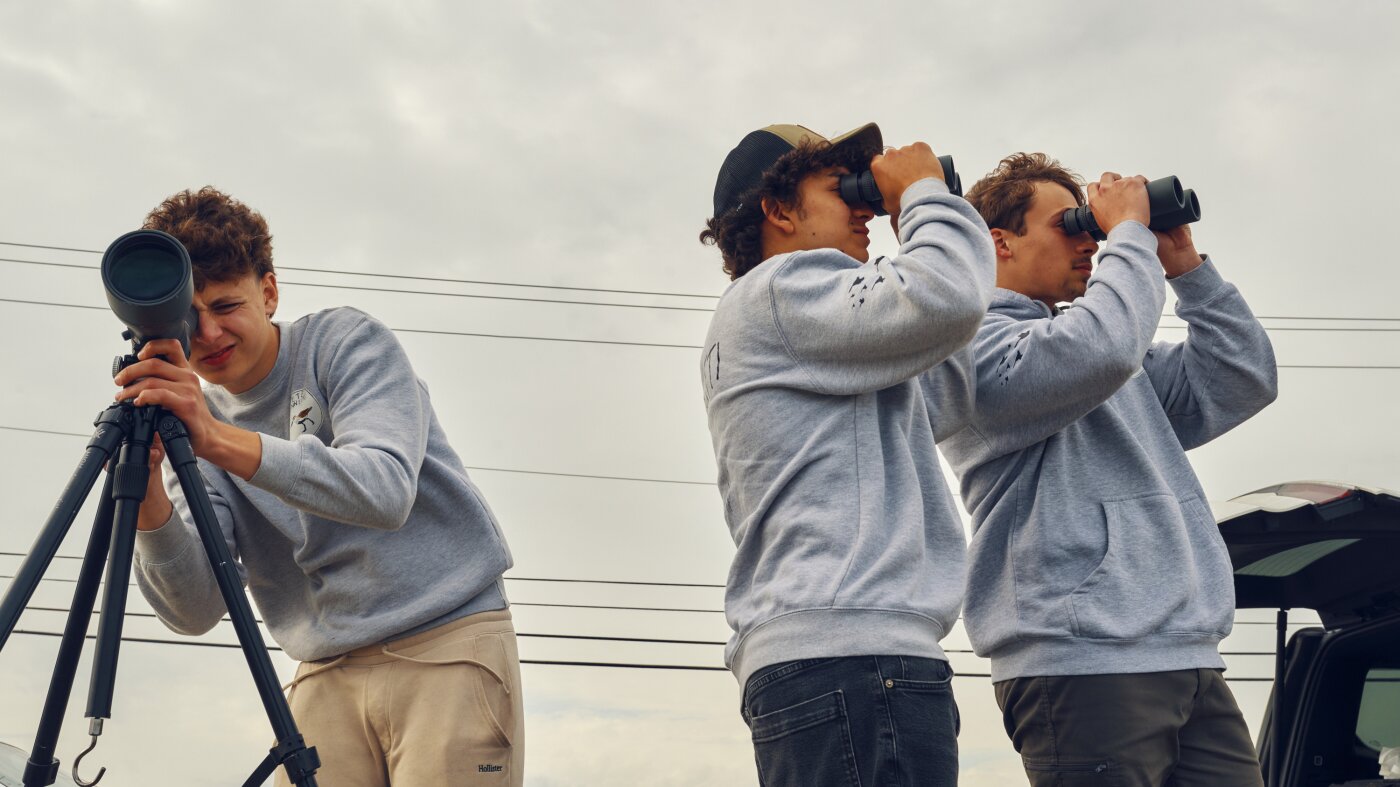
Three New Jersey high‑school students — Otys Train (16), Jack Trojan (17) and Zade Pacetti (16) — competed as a team called The Pete Dunnelins in the 43rd annual World Series of Birding, a 24‑hour event run by New Jersey Audubon in which teams attempt to observe and confirm as many bird species within New Jersey as possible. The event drew 87 teams across several age divisions and functions as both competition and conservation fundraiser. The teens planned their route in detail, used listening skills and optics to confirm species (requiring unanimous agreement among teammates to log a bird), and were accompanied and supported by their fathers and mentors. They counted 206 species, exceeding their goal of 200, but finished second to the Flying Penguins, who recorded 209 species. The article describes specific observations (e.g., monk parakeet, sora, sharp‑shinned hawk, piping plover, king rail), the role of mentorship (college and Cornell Lab resources), logistical challenges (timing, weather, migration timing), safety and competitive practices (car strategies, brief field risks), and the teens’ personal growth, teamwork, and conservation interest.
Biblical Reflection
This story highlights several Christianly significant goods: curiosity about God’s creation, disciplined practice and stewardship, intergenerational mentorship, and community that nurtures young gifts. The teenagers’ careful preparation, humility in defeat, and respect for mentors point to virtues — diligence, perseverance, gratitude, and faithful stewardship of creation (care for birds and habitats). Their teamwork and the community of volunteers and mentors model how the church and Christian families might cultivate younger generations in love for God’s world and in wise apprenticeship.
At the same time, read critically: the piece emphasizes competition and personal achievement more than structural conservation concerns. While individual engagement in birding fosters care, the article largely sidelines larger threats to birds (habitat loss, climate change, policy needs) and the ways civic action and advocacy complement grassroots stewardship. Also note the subtle normalizing of risk (perched out of car windows, late‑night trespass descriptions) and the secrecy around prime locations — human competitiveness can sometimes undermine broader conservation goals if it encourages hoarding of knowledge that would help protect habitats.
From a biblical perspective, celebration of creation is appropriate and praiseworthy (we are made to steward the earth), but so is humility: we should avoid idolizing awards or personal notoriety. Christians can commend the youths’ virtues and use stories like this to encourage formation of practices that honor God, serve neighbors, and pursue systemic care for creation alongside personal devotion.
Scripture in context
This outlook does not yet include contextual Scripture citations. Do not treat a general biblical theme as an exegetical conclusion.
Faithful Response
No prescribed response is offered. Consider the reflection prompts below in your own church context.
Reflection and Discussion
- 1Does the story invite you to see time spent learning about creation as discipleship and stewardship, or primarily as personal achievement? How would that change how you support young people who love nature?
- 2What conservation realities (policy, habitat protection, climate impacts) are missing from this narrative, and how might Christians move beyond hobbyist appreciation toward advocacy and care that protects species long‑term?
- 3Where might healthy competition become an idol in work that should ultimately point to God’s glory, and how can mentors model right priorities and humility?
Sources
Reporting links are evidence inputs; Sanctuary News' biblical reflection is commentary.
This outlook currently relies on fewer than two linked sources. Broaden verification before teaching from it.
- 1.Original reportprimary