News Summary
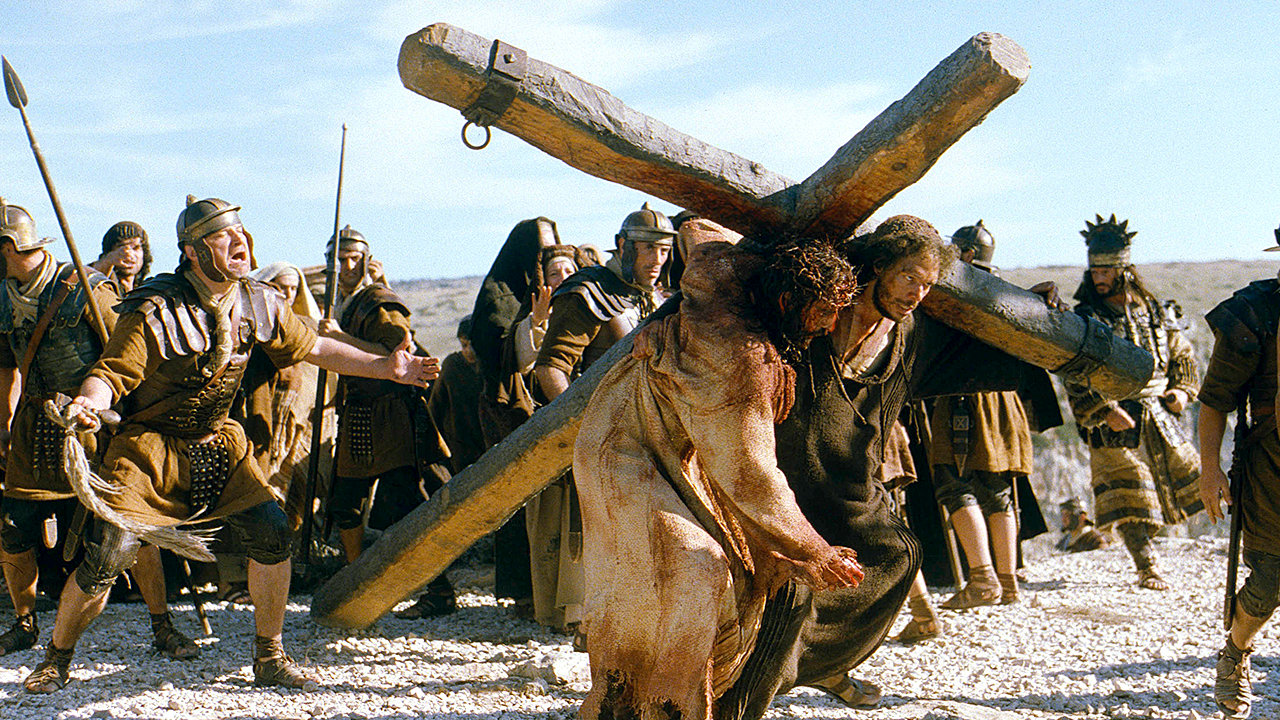
Lionsgate and Fathom Entertainment announced a limited theatrical re-release of Mel Gibson’s 2004 film The Passion of the Christ from September 10–17 in a new 4K restoration with Dolby Atmos sound. Audiences during the run will receive an exclusive preview of the sequel, The Resurrection of the Christ: Part One, which is scheduled for wide release on May 6, 2027; Part Two is planned for May 25, 2028. Tickets go on sale July 24 at participating theaters. The original film grossed over $610 million worldwide and received Academy Award nominations for makeup, score and cinematography; it also drew controversy for its graphic violence and for concerns raised at the time about antisemitic portrayals. Jim Caviezel, who played Jesus in the 2004 film, will not reprise the role in the sequels; Finnish actor Jaakko Ohtonen is cast as Jesus, and Mariela Garriga will play Mary Magdalene. Lionsgate and Fathom described the restoration and preview as an opportunity to reintroduce the film to audiences and to build interest ahead of the sequels. Mel Gibson has described the sequels as exploring spiritual realms and the battle for the soul of humanity.
Biblical Reflection
This announcement is primarily cultural and commercial: a studio-led reissue and marketing push to renew interest in a high-profile faith-based film and launch its sequels. The piece reflects both genuine devotional aims (the filmmakers framing the project as a mission to tell a religious story) and clear marketplace motives (remastering, limited run, exclusive preview to drive ticket sales). Historically, The Passion shaped many viewers’ images of the crucifixion and sparked intense debate over artistic choices—especially graphic depiction of suffering and concerns about harmful stereotypes. Christians should welcome careful retellings of the gospel that lead people toward repentance and understanding, while also exercising discernment about cinematic methods that may sensationalize violence or simplify complex historical and theological issues. Media coverage that highlights box-office figures and promotional quotes without addressing past criticisms or theological framing can produce an impression that commercial success equals spiritual endorsement; readers ought to separate artistic merit, evangelistic fruit, and marketing strategy when evaluating such projects.
Scripture in context
This outlook does not yet include contextual Scripture citations. Do not treat a general biblical theme as an exegetical conclusion.
Faithful Response
No prescribed response is offered. Consider the reflection prompts below in your own church context.
Reflection and Discussion
- 1How might a film’s visual choices shape public understanding of who Jesus is—toward reverence, sensationalism, or misunderstanding?
- 2When a religious project is also a commercial enterprise, what signs help distinguish genuine spiritual witness from marketing-driven spectacle?
- 3Are past controversies about the film (violence, possible stereotyping) being addressed openly, and should they shape how Christians receive the revival?
Sources
Reporting links are evidence inputs; Sanctuary News' biblical reflection is commentary.
This outlook currently relies on fewer than two linked sources. Broaden verification before teaching from it.
- 1.Original reportprimary