News Summary
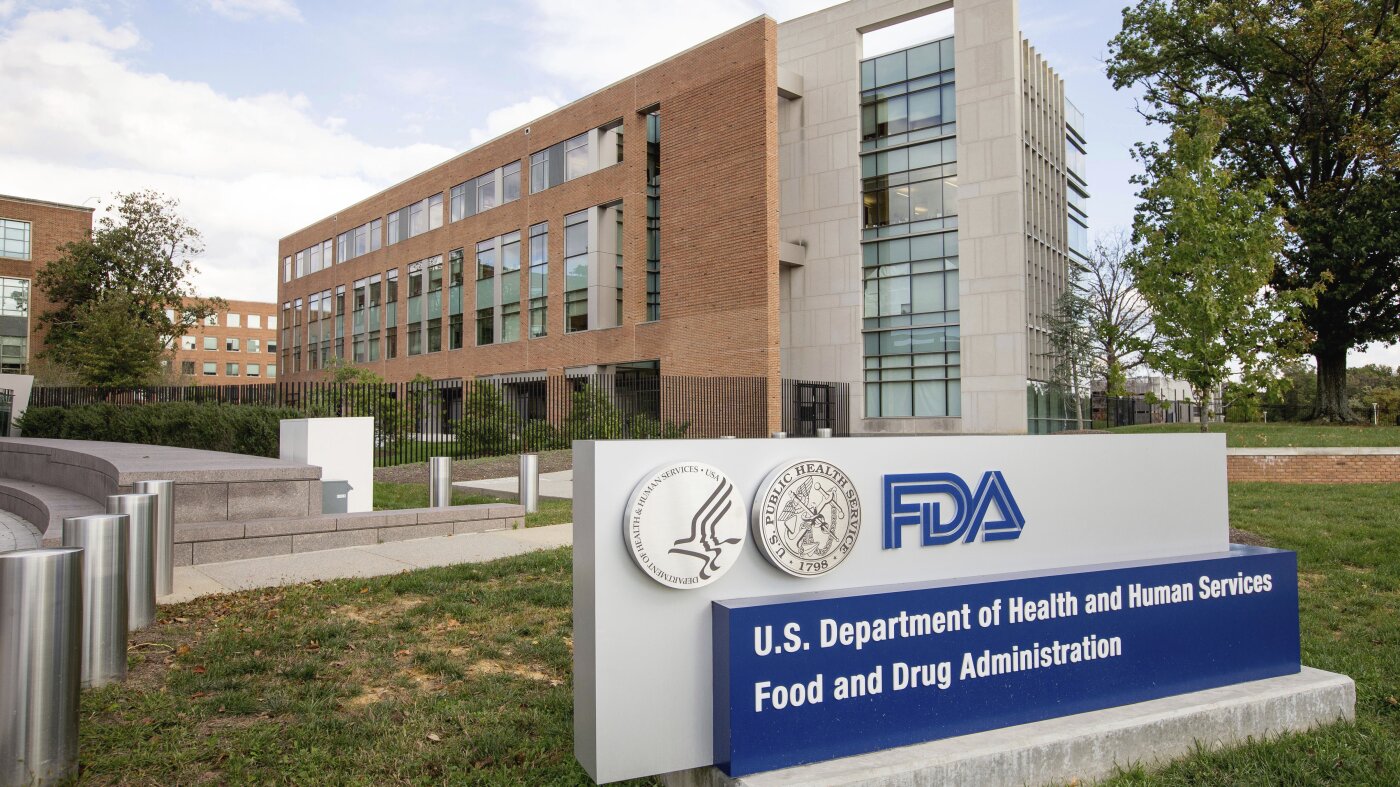
The Food and Drug Administration (FDA) has announced a new policy to expedite the approval of gene therapies for rare diseases. Traditionally, treatments for rare conditions have been delayed due to the difficulty of conducting large-scale clinical trials. The new guidance will allow the FDA to approve treatments based on a 'plausible mechanism'—meaning a scientifically reasonable expectation that the therapy will work, even if full clinical trial data is not available. This move is designed to make it easier for patients with rare or ultra-rare diseases to access potentially lifesaving therapies, such as those using gene-editing technologies like CRISPR. The policy follows a successful case where a child with a rare genetic liver disorder was treated with a tailored gene-editing therapy. While many experts have praised the move as a breakthrough for personalized medicine, some have expressed concerns about the potential for these standards to be applied too broadly, possibly bypassing important safety checks for more common diseases.
Biblical Reflection
From a biblical perspective, this policy reflects a compassionate response to those who are suffering and marginalized—those with rare diseases who have often been overlooked by traditional healthcare systems. Scripture frequently calls for care for the vulnerable (Matthew 25:40) and encourages us to use our resources and knowledge for the healing of others. The drive to use scientific advancements to bring hope and healing aligns with the biblical value of mercy and love for one’s neighbor. However, the ethical complexities must also be weighed carefully. The Bible urges wisdom and caution, especially when dealing with powerful technologies (Proverbs 14:15). The move towards faster approvals without traditional trials raises questions about stewardship, safety, and long-term consequences. Christians are called to advocate for both innovative compassion and responsible oversight. The hope is that this policy will be used to bless and not to harm, prioritizing the dignity and well-being of every patient while maintaining ethical integrity.
Scripture in context
This outlook does not yet include contextual Scripture citations. Do not treat a general biblical theme as an exegetical conclusion.
Faithful Response
No prescribed response is offered. Consider the reflection prompts below in your own church context.
Reflection and Discussion
- 1How can we balance the call to compassion with the need for wisdom and caution in scientific innovation?
- 2In what ways can the Christian community support those affected by rare diseases, both practically and spiritually?
Sources
Reporting links are evidence inputs; Sanctuary News' biblical reflection is commentary.
This outlook currently relies on fewer than two linked sources. Broaden verification before teaching from it.
- 1.Original reportprimary