News Summary
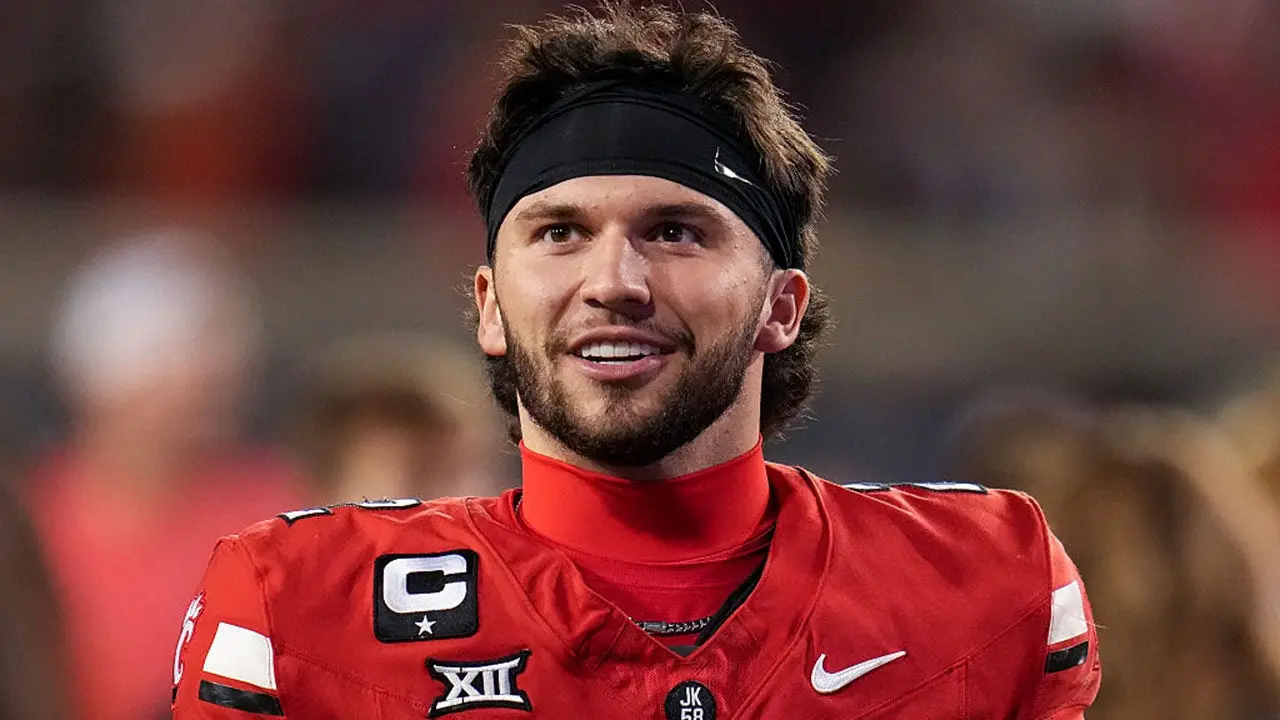
Texas Tech quarterback Brendan Sorsby, who transferred from Cincinnati, is the subject of an NCAA investigation into alleged sports betting activity that may affect his eligibility for the 2026 season. Sorsby has acknowledged a gambling problem and entered a treatment program. The investigation reportedly includes whether Sorsby placed bets while on Indiana’s roster in 2022; he redshirted that season and appeared in one game, and there is no public evidence he bet on that specific game. Under NCAA guidelines adopted in 2023, athletes who bet on their own school’s games can face severe penalties, including loss of eligibility. Sorsby has reportedly hired high-profile attorney Jeffrey Kessler—known for representing Tom Brady in Deflategate and for his role in House v. NCAA—to contest or defend his eligibility, raising the possibility of a legal challenge to the NCAA’s enforcement. Media reports note Texas Tech had committed a substantial NIL/compensation package to Sorsby after his transfer, and Cincinnati has sued him for a reported $1 million NIL exit fee; Sorsby moved to dismiss that suit. The situation could result in NCAA disciplinary action, litigation, or both, and may have implications for how gambling issues involving college athletes are handled going forward.
Biblical Reflection
This story sits at the intersection of personal struggle, institutional authority, and a changing sports economy. Biblically, it raises clear concerns about integrity (the expectation that athletes avoid betting on their teams), personal responsibility for sin and addiction (Sorsby’s admitted gambling problem), and the need for both accountability and compassion. The article emphasizes legal drama—highlighting Kessler’s resume and prior high-profile cases—which can obscure the human reality of addiction and the pastoral needs of someone seeking help. It also frames the dispute as a test of NCAA power in an era where college athletes are compensated and legally represented; that is a legitimate systemic question deserving careful attention rather than mere theatrical coverage. Christians should hold to truth and justice: if rules were broken, appropriate consequences are fitting to protect fair competition and others’ trust. But we must also resist sensationalizing a person’s failing and remember the call to compassion, restoration, and support for those battling addiction (Galatians 6:1–2). Finally, be alert to bias in media coverage that prioritizes legal spectacle over the pastoral realities—ask whether reporting centers human restoration as well as institutional interests.
Scripture in context
This outlook does not yet include contextual Scripture citations. Do not treat a general biblical theme as an exegetical conclusion.
Faithful Response
No prescribed response is offered. Consider the reflection prompts below in your own church context.
Reflection and Discussion
- 1How does the professionalization and monetization of college sports change who bears moral and legal responsibility for athlete conduct?
- 2Are media accounts focusing more on legal theatrics (high-profile lawyers, precedent) than on the human needs for accountability, treatment, and restoration?
- 3When institutions enforce rules that can end careers, how should Christians balance justice (protecting integrity) with mercy (supporting repentance and recovery)?
Sources
Reporting links are evidence inputs; Sanctuary News' biblical reflection is commentary.
This outlook currently relies on fewer than two linked sources. Broaden verification before teaching from it.
- 1.Original reportprimary