News Summary
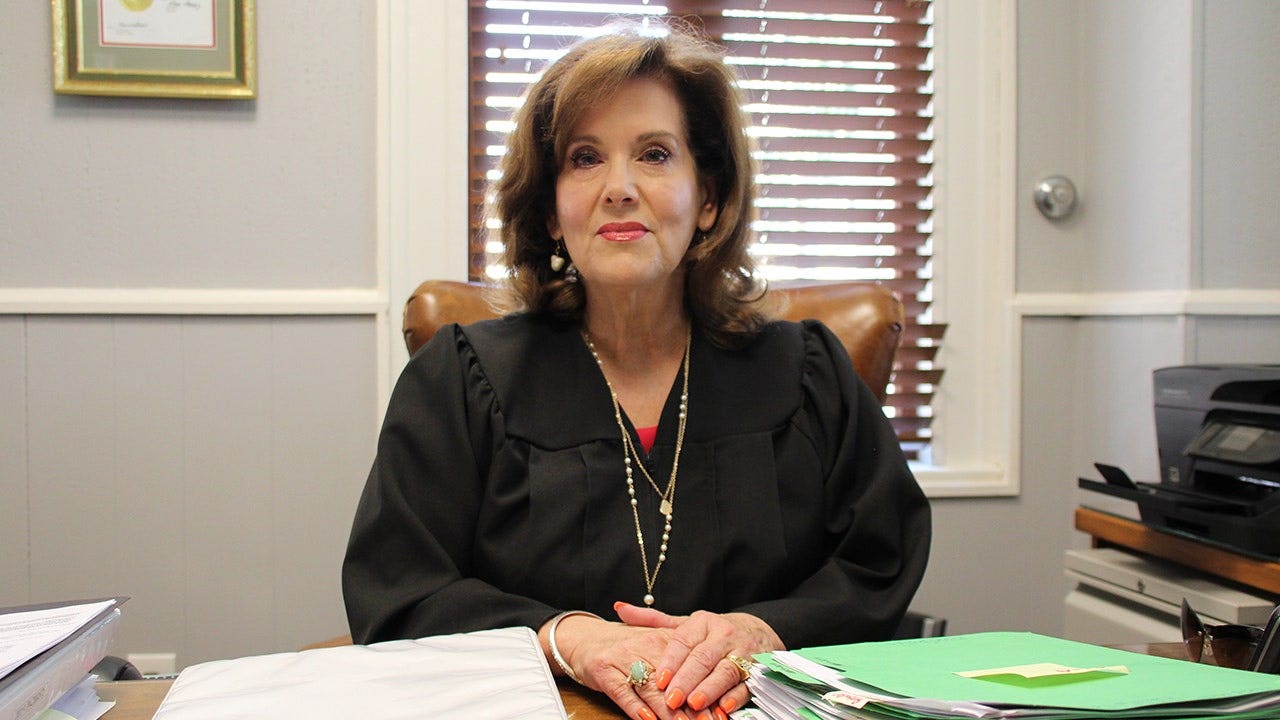
A Texas justice of the peace, Dianne Hensley, was awarded $10,000 in damages and about $630,000 in attorneys' fees — totaling more than $640,000 — by the District Court of Travis County after a legal challenge to disciplinary actions she faced for declining to officiate same-sex weddings on religious grounds. Hensley had removed herself from performing same-sex weddings and put a referral system in place so couples could obtain another officiant without delay. First Liberty Institute and attorney Jonathan F. Mitchell represented Hensley. The dispute began after a 2018 warning from the State Commission on Judicial Conduct; the court found Hensley’s religious freedom rights were violated under Texas law. The Texas Supreme Court subsequently amended rules to permit religious accommodations, and the state legislature undertook changes to the commission’s membership; the commission declined to comment to Fox News.
Biblical Reflection
This story sits at the intersection of religious conscience and public duty. From a Christian perspective, conscience rights are important — Christians should be able to live out convictions without coercion. At the same time, when a person serves in a public, governmental role there is a legitimate expectation to administer duties fairly to all citizens. The article mostly features the plaintiff's legal advocates and lacks the commission’s perspective or the experiences of couples affected, signaling a partial viewpoint. Christian wisdom calls for both courage to stand for conscience and humility to listen to neighbors who experience exclusion. Where possible, legal and administrative arrangements that protect sincere religious convictions while ensuring equal access to public services reflect the twin biblical calls to faithfulness and love of neighbor.
Scripture in context
This outlook does not yet include contextual Scripture citations. Do not treat a general biblical theme as an exegetical conclusion.
Faithful Response
No prescribed response is offered. Consider the reflection prompts below in your own church context.
Reflection and Discussion
- 1How should Christians evaluate distinctions between private religious practice and the duties of public office when those duties affect the rights of others?
- 2Does a referral system adequately address the harm experienced by those denied service, and what obligations does a public official have to ensure equal access?
- 3Whose voices are missing in this coverage, and how does that shape our understanding of justice and mercy in disputes over conscience?
Sources
Reporting links are evidence inputs; Sanctuary News' biblical reflection is commentary.
This outlook currently relies on fewer than two linked sources. Broaden verification before teaching from it.
- 1.Original reportprimary