News Summary
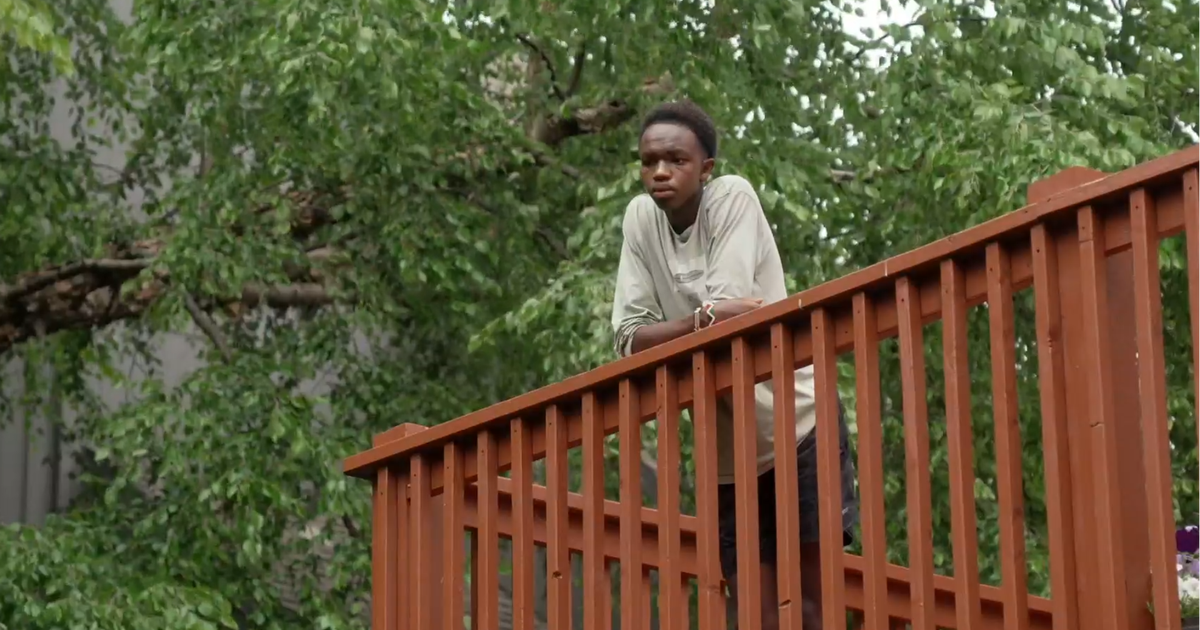
In 2022, 14-year-old Dylan Mwaniki of Kansas City, Missouri, was diagnosed with Stage 4 kidney cancer and was given approximately eight months to live. His treating physician, Dr. Mary Austin, developed a close personal relationship with him during treatment, including promises of encouragement such as attending his high school graduation. Dylan underwent 52 weeks of chemotherapy. By 2026 he is cancer-free and graduated from high school; his family credits Dr. Austin’s ongoing personal support for helping him persevere. Dr. Austin now works at Seattle Children’s Hospital and traveled to attend Dylan’s graduation as a surprise.
Biblical Reflection
This article is a human-interest piece highlighting the power of personal presence, encouragement, and continuity of care alongside medical treatment. It rightly celebrates compassion shown by a clinician who went beyond clinical duties to offer emotional support. At the same time, the story is anecdotal: while psychosocial support can improve a patient’s resilience and wellbeing, a single case does not establish a direct causal link between friendship and cancer survival. The piece’s worldview emphasizes relational care and the dignity of the individual, values that align with Christian virtues of neighbor-love and mercy. Christians should rejoice in examples of sacrificial care, give thanks for effective medical treatment, and avoid turning a real healing into simplistic cause-and-effect heroism. Practically, the story calls the church to accompany suffering people — offering prayer, presence, and practical support — while respecting medical expertise and the mystery of illness and outcome.
Scripture in context
This outlook does not yet include contextual Scripture citations. Do not treat a general biblical theme as an exegetical conclusion.
Faithful Response
No prescribed response is offered. Consider the reflection prompts below in your own church context.
Reflection and Discussion
- 1Am I comfortable holding both gratitude for a recovered life and humility about what we cannot claim as proven causes?
- 2How does this story challenge the church to prioritize long-term presence and practical support for those facing serious illness?
- 3Do we risk romanticizing individual 'miracle' stories and overlooking systemic needs in medical care and patient support?
Sources
Reporting links are evidence inputs; Sanctuary News' biblical reflection is commentary.
This outlook currently relies on fewer than two linked sources. Broaden verification before teaching from it.
- 1.Original reportprimary