News Summary
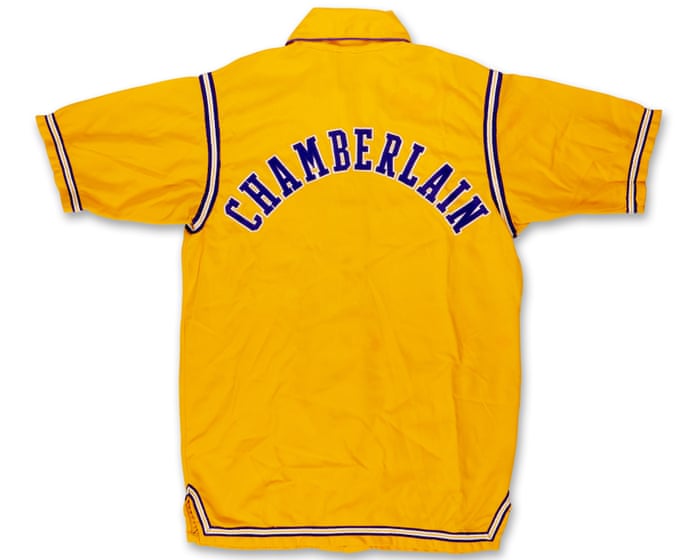
Facts: An Oregon teenager, Quinn Brown, bought a bright yellow jacket at a Goodwill in Portland in January for $3; the jacket was authenticated as a rare piece from Wilt Chamberlain’s final NBA season and later sold at auction for $89,600. Attributed claims: Brown is quoted saying he was very lucky, and the article reports the jacket had been thrown into a clothing bin. Uncertainties: the article does not name the auction house, the authenticators, the buyer, or provide documentary provenance.
Source and Framing Analysis
The Guardian's piece is framed as a human-interest novelty story emphasizing luck and monetary outcome. Material uncertainties that affect the story include lack of named authenticators or auction house and absence of provenance documentation; these omissions limit the ability to independently verify the authorship/ownership chain and auction details. The framing privileges the surprise and dollar figure rather than situating the find within the broader social role of thrift stores or the ethics of handling cultural artifacts.
Biblical Reflection
As Christians, we welcome stories of ordinary lives touched by surprising good fortune because they remind us that life contains unexpected gifts. Still, the Christian response is not simply celebratory amazement at a high sale price. Scripture consistently emphasizes faithful stewardship, humility, and care for neighbors — virtues that test how we use wealth. An unearned windfall is an opportunity to practice grateful dependence on God, seek wise counsel, and consider ways to bless others rather than promote self-glory.
The article’s emphasis on luck and novelty can obscure important questions of justice and care. Thrift stores are part of local economies and safety nets for many; the moral imagination of a Christian should include attention to how proceeds are used, whether donors or communities are respected, and whether cultural artifacts are preserved responsibly. This story invites believers to ask how we keep our hearts steady amid cultural worship of fame and price tags, and how faith shapes the practical use of unexpected resources.
Finally, the find models a humble reminder: God can surprise us through small moments. That reality should cultivate gratitude and a readiness to use whatever resources come our way for mercy, reconciliation, and community flourishing rather than personal aggrandizement.
Scripture in context
- 1Matthew 25:14-30 (Parable of the Talents) — Jesus teaches about servants entrusted with resources by a master; the parable addresses faithful stewardship, accountability, and the use of gifts while awaiting the master's return within a first-century household economy and prophetic imagery. — The parable calls Christians to consider how they responsibly manage whatever resources they receive — planned or sudden — for the sake of God's kingdom, using gifts to serve others rather than burying them out of fear or pride.
Faithful Response
Give thanks in prayer for unexpected blessings and seek the Holy Spirit’s guidance before making major financial decisions.
Consult trusted advisers (church leaders, family, financial counselors) about stewarding any sizable or sudden financial gain.
Intentionally earmark a portion of sudden proceeds for charitable giving or local needs as a concrete practice of neighbor-love.
Share the story humbly to teach about stewardship and to encourage the congregation's commitment to generosity and caring for vulnerable neighbors.
Reflection and Discussion
- 1How should the virtues of humility, gratitude, and generosity shape our response to stories that celebrate monetary windfalls?
- 2What structures (personal and congregational) can we put in place to ensure sudden gains are stewarded for common good?
- 3In what ways does our attention to famous names and auction values distract from deeper concerns about dignity, community support, and ethical care of historical items?
Sources
Reporting links are evidence inputs; Sanctuary News' biblical reflection is commentary.
This outlook currently relies on fewer than two linked sources. Broaden verification before teaching from it.
- 1.US teen buys Wilt Chamberlain jacket in thrift store that sells for $89,600primary_reporting