News Summary
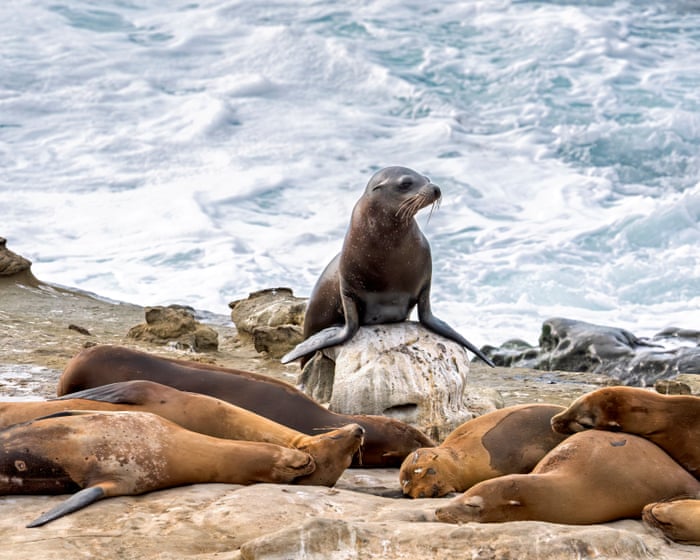
Reporting (The Guardian, citing federal prosecutors): An 18-year-old San Diego man, Tyler Muehl, pleaded guilty in federal court to violating the Marine Mammal Protection Act after a video showed him kicking a California sea lion on the La Jolla coast. Prosecutors said the clip was recorded and went viral. They stated Muehl could face up to one year in prison and a $100,000 fine. The reporting attributes legal characterization and penalty ranges to a federal prosecutors’ statement. Key uncertainties in available reporting: the sea lion’s condition after the incident, the precise wording or nickname used in the video, whether a plea agreement exists, the date of sentencing, and independent corroboration beyond the prosecutors’ statement.
Source and Framing Analysis
Primary source: a single news report in The Guardian that in turn cites a federal prosecutors’ statement. Strengths: the report names the defendant, specifies the conduct and statute (Marine Mammal Protection Act), notes a guilty plea, and quantifies potential penalties — all attributed to prosecutors. Framing: legal and accountability-focused, with a secondary emphasis on the video’s virality (a descriptive shorthand for public attention). Limitations and uncertainties: the account is sparse and relies on the prosecutors’ statement without direct quotes from defense counsel, wildlife agencies, or independent witnesses. The report omits the animal’s medical outcome, sentencing timeline or details of any plea agreement, the defendant’s motive or background, and corroborating evidence that led to prosecution. The label “viral” signals public visibility but does not alter the legal facts; it does shape public perception and may influence coverage intensity.
How sources covered this story
Sanctuary separately assesses reporting quality and alignment with Christian virtues. The virtues assessment considers truthfulness, dignity, compassion, justice, peacemaking, humility, and care for vulnerable people. It does not assess a publisher's faith or reward religious language.
Compare 1 reports
Reporting 80/100Virtues 78/100
- Distinctive contribution
- Names the defendant, specifies the conduct (four kicks), identifies the statute violated (Marine Mammal Protection Act) and quantifies the possible penalties, and notes the plea and prosecutors as the source of the legal information.
- Framing
- Primarily legal/criminal-accountability framing: emphasizes the guilty plea and statutory violation, potential criminal penalties, and the viral nature of the video. The language is factual with a mildly sensational hook (the video went viral and the defendant allegedly used a UFC name) but centers on the prosecution statement.
- Omissions or uncertainty
- Does not give the exact date of the plea or court, lack of direct quotes from prosecutors, defense, or the defendant, no detail on sentencing timeline or whether a plea agreement exists, no information on the sea lion's condition or wildlife-agency response, and no broader context about enforcement patterns under the Marine Mammal Protection Act.
- Why these scores
- The excerpt is concise, specific, and responsibly attributed (to federal prosecutors' statement). It names the statute and quantifies penalties, which is useful and precise. Points are withheld because the supplied text lacks direct quotes, dates, court identification, and broader context (e.g., sentencing timetable, wildlife-impact details). For a short news brief this is solid and appropriately cautious. The report is fact-focused, non-dehumanizing, and emphasizes legal accountability for harm to a vulnerable animal, aligning with care for the vulnerable and justice. It does not sensationalize the victim's suffering and attributes claims to prosecutors. It could score higher if it included empathic context about the animal or mitigation efforts, but overall it presents the facts without exploitation or stigmatizing language.
Biblical Reflection
This episode raises moral concerns about unnecessary cruelty, stewardship of creation, and how online attention can incentivize harmful performative behavior. Legal accountability under the Marine Mammal Protection Act affirms that willful harm to vulnerable animals is socially and legally unacceptable. Christians should welcome lawful accountability while resisting schadenfreude, offering pathways toward repentance and restoration. Pastoral care calls for promoting restraint, compassion, and protective practices toward animals; teaching discernment about social-media pressures; and holding together mercy for the person and justice for the harmed creature. The community should seek truth, extend mercy to those capable of repentance, and pursue justice that protects vulnerable neighbors — human and nonhuman.
Scripture in context
- 1Genesis 1:26–28 — Creation texts that assign humans a role of authority and care within creation. — Provides a theological grounding for stewardship: human authority over animals implies responsibility to protect and care for them rather than to exploit or harm them.
- 2Proverbs 12:10 — Wisdom literature contrasting righteous and wicked behavior, using everyday treatment of animals as a moral indicator. — Affirms that compassion toward animals reflects moral character and challenges believers to oppose cruelty and cultivate care for vulnerable creatures.
Faithful Response
Pray for the harmed animal, for those who enforce the law, and for the defendant’s repentance and rehabilitation. Avoid celebrating another’s disgrace; resist online cruelty or mockery. Support reputable local marine-wildlife rescue and rehabilitation organizations with donations, supplies, or volunteer time if appropriate. Encourage church and youth programs to teach stewardship of creation, digital ethics, and restraint in pursuit of attention. Where possible, churches can partner with wildlife groups for education events and to model care for vulnerable neighbors. Advocate for accountability that protects animals and allows for restorative processes when repentance is genuine.
Reflection and Discussion
- 1How does Scripture shape your view of human authority over animals and our duty to protect vulnerable creatures?
- 2When harmful acts are amplified online, what are healthy Christian responses that balance truth, accountability, and mercy?
- 3What church or community practices could reduce the likelihood that social-media attention rewards performative cruelty?
Sources
Reporting links are evidence inputs; Sanctuary News' biblical reflection is commentary.
This outlook currently relies on fewer than two linked sources. Broaden verification before teaching from it.
- 1.Teenager pleas guilty to attacking California sea lion in viral videoprimary_reporting