News Summary
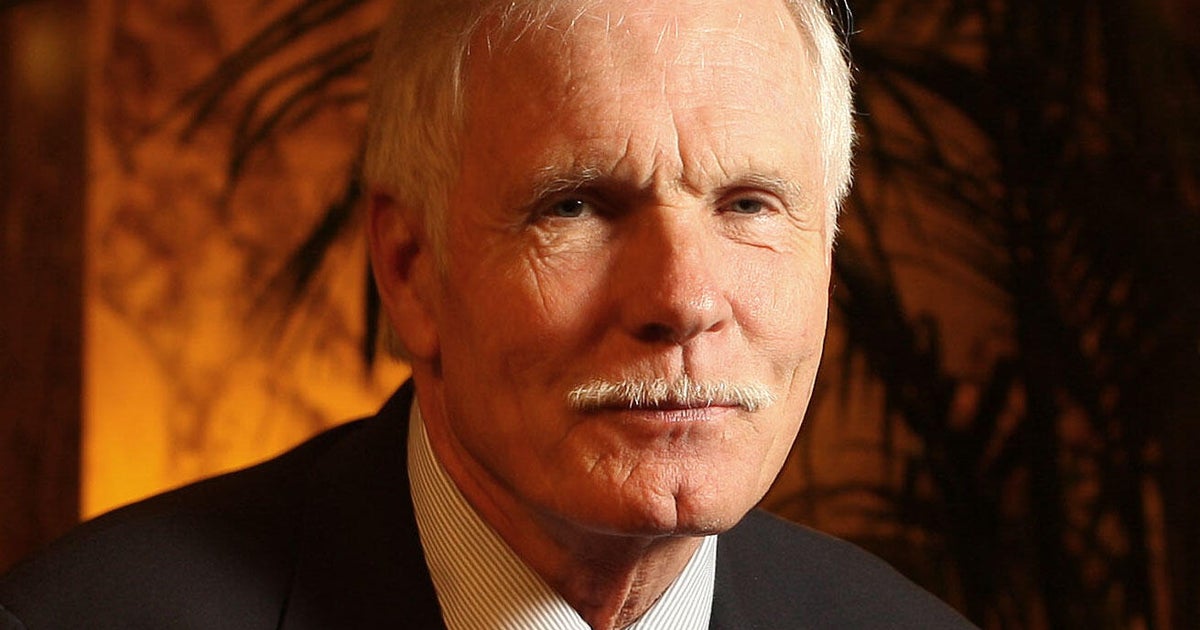
Ted Turner, 87, founder of CNN and builder of a media empire that included TBS, TNT and Turner Classic Movies and ownership of the Atlanta Braves and Atlanta Hawks, has died, Turner Enterprises said. The company said Turner died after a long battle with Lewy body dementia, which he disclosed publicly in 2018; additional details about his death were not immediately available. CNN reported the death and its chairman and CEO, Mark Thompson, released a statement praising Turner’s leadership and impact on the network. Turner launched CNN in 1980 as the first 24-hour cable news network. He was also known for sailing achievements (including bringing the America's Cup back to the U.S. in 1977), for land purchases to protect wildlife—particularly bison—and for owning the Braves when they won the 1995 World Series. Public accounts describe him as a colorful, outspoken figure who made controversial remarks at times, had significant personal wealth and business setbacks (including major losses as a large shareholder of AOL Time Warner), and was married three times, including to Jane Fonda from 1991–2001. The article summarizes his public life, accomplishments, personality, and conservation legacy.
Biblical Reflection
From a Christian perspective, Ted Turner’s life presents a mixed but instructive legacy. Objectively, he exercised great influence—shaping how millions receive news, rescuing and protecting large tracts of land, and using his resources to pursue personal interests and public projects. Scripture calls Christians to faithful stewardship of resources and of creation (Genesis 2:15); Turner’s conservation work reflects a form of stewardship that Christians can affirm. At the same time, concentrated media power and celebrity influence raise ethical questions about responsibility, truth-telling, and the shaping of public memory. Obituaries and media summaries commonly emphasize achievements and personality while downplaying or simplifying controversies; readers should be aware that celebratory framing can obscure harms or blind spots. Biblically, fame and wealth are temporary (James 4:14; Ecclesiastes), and true measure of legacy includes how a life honored God, loved neighbor, sought justice, and stewarded creation and people. This story invites sober reflection rather than uncritical admiration: evaluate both the good (innovation, conservation, philanthropic possibilities) and the costs (power’s potential to distort truth, arrogance, personal failures). Ultimately, Christians are called to mourn deaths, give thanks for any good done, seek truth about complex public figures, and remember that ultimate hope rests not in human fame but in God’s mercy and justice.
Scripture in context
This outlook does not yet include contextual Scripture citations. Do not treat a general biblical theme as an exegetical conclusion.
Faithful Response
No prescribed response is offered. Consider the reflection prompts below in your own church context.
Reflection and Discussion
- 1How does the article balance celebration of achievement with honest attention to the ethical responsibilities that come with wealth and media influence?
- 2In what ways does Turner's conservation legacy challenge our assumptions about ownership, stewardship, and the Christian call to care for creation?
- 3Are we prone to let charisma and success obscure the harder questions about truth, accountability, and the lasting spiritual measure of a life?
Sources
Reporting links are evidence inputs; Sanctuary News' biblical reflection is commentary.
This outlook currently relies on fewer than two linked sources. Broaden verification before teaching from it.
- 1.Original reportprimary