News Summary
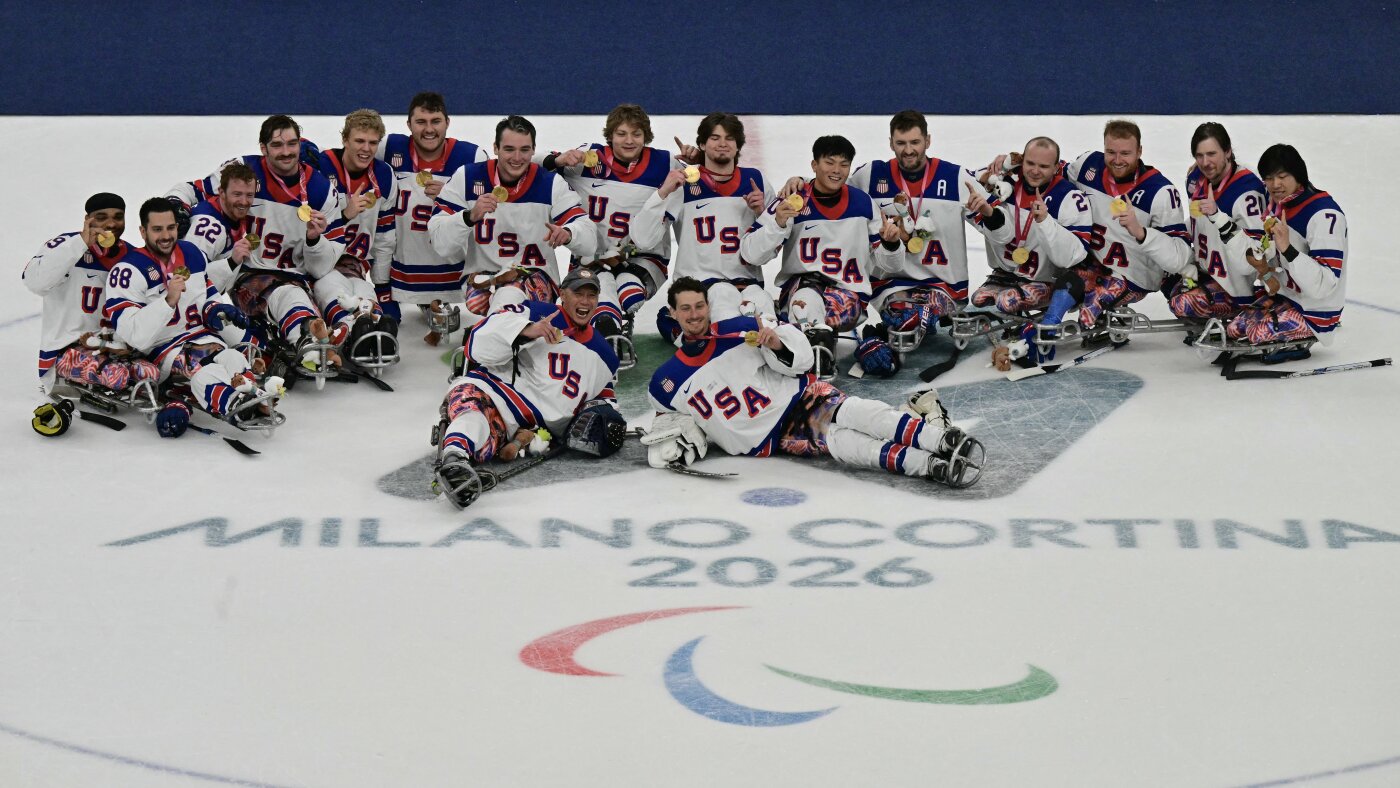
Team USA finished second in the Milano Cortina 2026 Winter Paralympics medal table with 24 medals (13 gold). The Games featured a record 611 athletes from 55 nations. Highlights for the U.S. included the sled hockey team defeating Canada to win a historic fifth consecutive Paralympic gold, Oksana Masters winning four golds and a bronze to extend her career medal total, Jake Adicoff and guides winning multiple golds in visually impaired skiing, Kendall Gretsch and Andrew Kurka serving as flag-bearers at the closing ceremony, and strong performances across alpine, nordic and snowboarding events. Individual stories of resilience and service emerged — e.g., Mike Schultz earning a medal while also producing prosthetics for other athletes. The Games also carried geopolitical undertones: China topped the medal table, Russia competed under its own flag with Ukrainian athletes boycotting ceremonies in protest, and IPC leadership emphasized sport’s capacity to unite despite global tensions.
Biblical Reflection
This story highlights virtues the Bible commends: perseverance, courage in suffering, teamwork, and honoring the dignity of those on the margins. Paralympians model 'running the race' with discipline and faithfulness — they show that human flourishing and excellence are not limited by disability. The Church can celebrate these achievements as testimony to God-given resilience and as opportunities to love and include people with disabilities more fully (Matthew 25:34–40; James 2:1–9). At the same time, Scripture warns against idolizing success or equating worth with victory (Mark 8:36). We should rejoice in accomplishments without making medals an ultimate measure of identity or favor. The geopolitical tensions (Russia’s participation and Ukraine’s boycott) remind Christians that athletic events do not erase injustice and conflict; the biblical call is to seek justice, remember victims, and pursue peace (Isaiah 1:17; Matthew 5:9). Finally, stories like Mike Schultz’s — using skill to serve others — point to Christian stewardship: gifts and talents are to be used for neighborly care (1 Peter 4:10). In short, these Games can be read as both inspiring examples of God-glorifying perseverance and as prompts to practice humility, justice, and compassionate solidarity with those who suffer.
Scripture in context
This outlook does not yet include contextual Scripture citations. Do not treat a general biblical theme as an exegetical conclusion.
Faithful Response
No prescribed response is offered. Consider the reflection prompts below in your own church context.
Reflection and Discussion
- 1How do I honor the dignity and contributions of people with disabilities in my church and community beyond applause?
- 2When I admire athletic success, where is my ultimate hope placed — in achievements or in Christ?
- 3What practical steps can I take to support justice and peace when sporting events intersect with geopolitical conflict?
Sources
Reporting links are evidence inputs; Sanctuary News' biblical reflection is commentary.
This outlook currently relies on fewer than two linked sources. Broaden verification before teaching from it.
- 1.Original reportprimary