News Summary
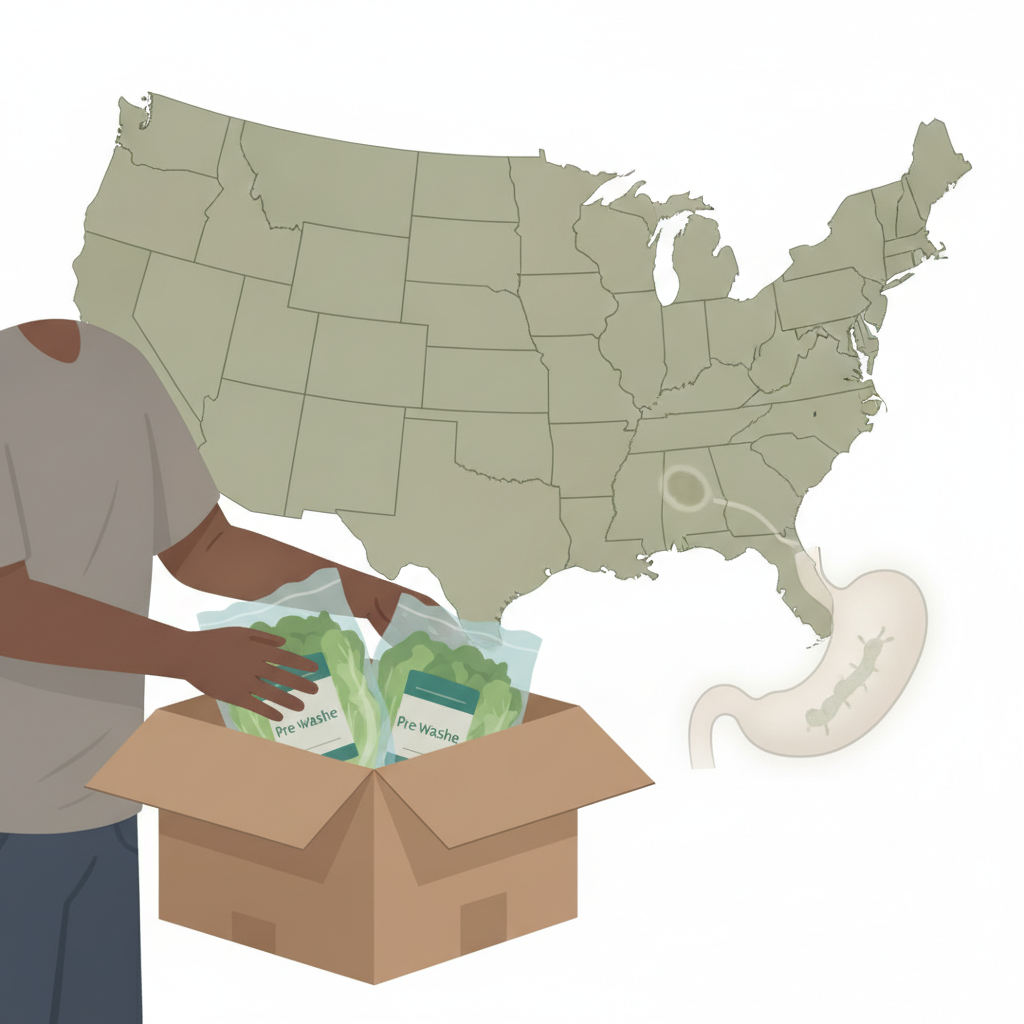
Reported facts: Taylor Farms issued a recall of lettuce products because they may be contaminated with cyclospora; the products were shipped to 27 states including Texas, Florida, Pennsylvania, Illinois, and New Jersey. Attributed claims: the article states cyclospora can cause diarrhea; the recall is intended to prevent illness. Uncertainties: the article does not specify exact product names or lot numbers, the number of confirmed illnesses (if any), the source or cause of contamination, nor detailed guidance beyond the recall notice.
Source and Framing Analysis
The PBS NewsHour piece is straightforward reporting of a recall notice; it frames the story as a public-health advisory. Material uncertainties that affect interpretation include the absence of product lot numbers, the lack of data on confirmed cases or outbreak investigations, and limited detail about company statements or corrective steps. Those gaps affect how seriously individuals should respond and which specific purchases are implicated.
Biblical Reflection
This report is a public-health notice about a food-safety recall. The article's factual focus is narrow and urgent: protect consumers and limit exposure. From a Christian perspective, the situation highlights responsibilities shared across society: companies must act with transparency and care when their products risk harming people; public-health systems must communicate clearly; and neighbors must look out for one another, especially the vulnerable. The article does not advance ideological arguments; it reports a health hazard that calls for practical responses—truthful disclosure, swift corrective action, and care for those who fall ill. Christians should assess such news by seeking verifiable facts, advocating for honest accountability, and prioritizing care for the sick and food-insecure rather than fueling panic or blame without evidence.
Scripture in context
- 1Luke 10:25-37 (Parable of the Good Samaritan) — Jesus tells this parable in response to a question about inheriting eternal life and who qualifies as a 'neighbor.' In its historical setting it challenges religious insiders to show compassion across social divides. — The parable emphasizes concrete care for those harmed or vulnerable rather than abstract judgment. A food-safety issue calls Christians to practical neighbor-love—attending to the sick, sharing resources, and acting to prevent further harm—without invoking partisan blame or indifference.
- 2Proverbs 11:1; Proverbs 16:11 (themes about honest measures and right dealing) — Proverbs contrasts honest and dishonest behavior in commerce and public life, teaching that fair and truthful practices reflect wisdom and justice in community relationships. — Businesses and institutions entrusted with food production bear a moral obligation to act honestly and responsibly; when mistakes threaten people's health, transparency and restitution align with biblical calls for justice and integrity.
Faithful Response
Check official recall notices and remove or return any implicated products in your home; follow public-health guidance if you feel ill.
Pray for those affected and reach out to neighbors—especially elderly or food-insecure people—to ensure they know about the recall and have safe food.
Avoid spreading unverified information; share reliable guidance from health authorities and the recall notice.
Reflection and Discussion
- 1What responsibilities do producers and distributors have to protect public health, and how should Christians advocate for transparency and care when those responsibilities fail?
- 2How does this recall challenge our priorities about food safety and care for vulnerable neighbors who may be more affected by contaminated food?
Sources
Reporting links are evidence inputs; Sanctuary News' biblical reflection is commentary.
This outlook currently relies on fewer than two linked sources. Broaden verification before teaching from it.
- 1.Taylor Farms recalls lettuce shipped to 27 states over cyclospora riskprimary_reporting