News Summary
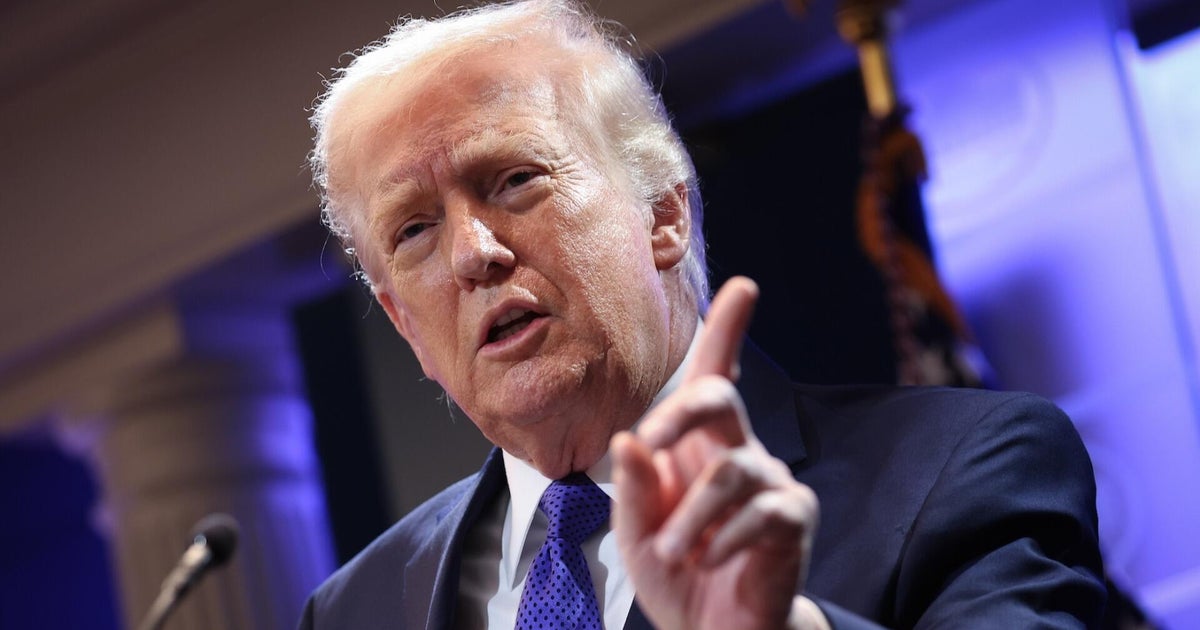
The article discusses the aftermath of the Supreme Court's decision to strike down President Trump's 'Liberation Day' tariffs, ruling that the International Emergency Economic Powers Act does not grant the president authority to impose broad-based tariffs. In response, Trump quickly imposed a temporary 10% global import tax, raising it to 15% the next day under Section 122 of the Trade Act of 1974. This move, and the ongoing uncertainty about future tariff rates and trade policy, has unsettled U.S. businesses and international trading partners. Some countries, such as EU member states and India, are reconsidering or pausing ratification of new trade agreements with the U.S. The new tariffs are set to expire in 150 days unless Congress extends them. Experts note the chaos and unpredictability in U.S. trade policy, questioning the effectiveness of tariffs in reviving American manufacturing, as job losses continue and costs rise for manufacturers reliant on imports. The article underscores the lack of clarity about the future of U.S. tariffs, the administration’s determination to use tariffs as a tool, and the broad economic and diplomatic uncertainty this creates.
Biblical Reflection
From a biblical perspective, this article reveals the challenges of leadership, stewardship, and justice in the realm of national and global economics. Scripture calls leaders to act with wisdom, integrity, and a concern for the welfare of all people. The ongoing uncertainty and abrupt policy shifts create anxiety and instability, which can undermine trust and disrupt the livelihoods of many, both domestically and internationally. The use of tariffs as a tool for economic gain, without clear and consistent communication or concern for the broader consequences, runs contrary to the biblical call for justice (Micah 6:8) and care for the vulnerable. Furthermore, the pursuit of national gain at the expense of others can contradict the biblical principle of seeking peace and mutual benefit among nations (Romans 12:18). The confusion and unpredictability described in this article serve as a reminder of the need for humility, accountability, and servant leadership—values exemplified by Christ. Christians are called to pray for wisdom for those in authority, to seek the common good, and to advocate for policies that reflect justice, fairness, and compassion.
Scripture in context
This outlook does not yet include contextual Scripture citations. Do not treat a general biblical theme as an exegetical conclusion.
Faithful Response
No prescribed response is offered. Consider the reflection prompts below in your own church context.
Reflection and Discussion
- 1How do abrupt and unpredictable policies impact the most vulnerable in society and our global neighbors?
- 2What qualities should we look for and pray for in our leaders according to biblical teaching?
- 3In what ways can you contribute to peace, justice, and stability in your own community in a time of uncertainty?
Sources
Reporting links are evidence inputs; Sanctuary News' biblical reflection is commentary.
This outlook currently relies on fewer than two linked sources. Broaden verification before teaching from it.
- 1.Original reportprimary