News Summary
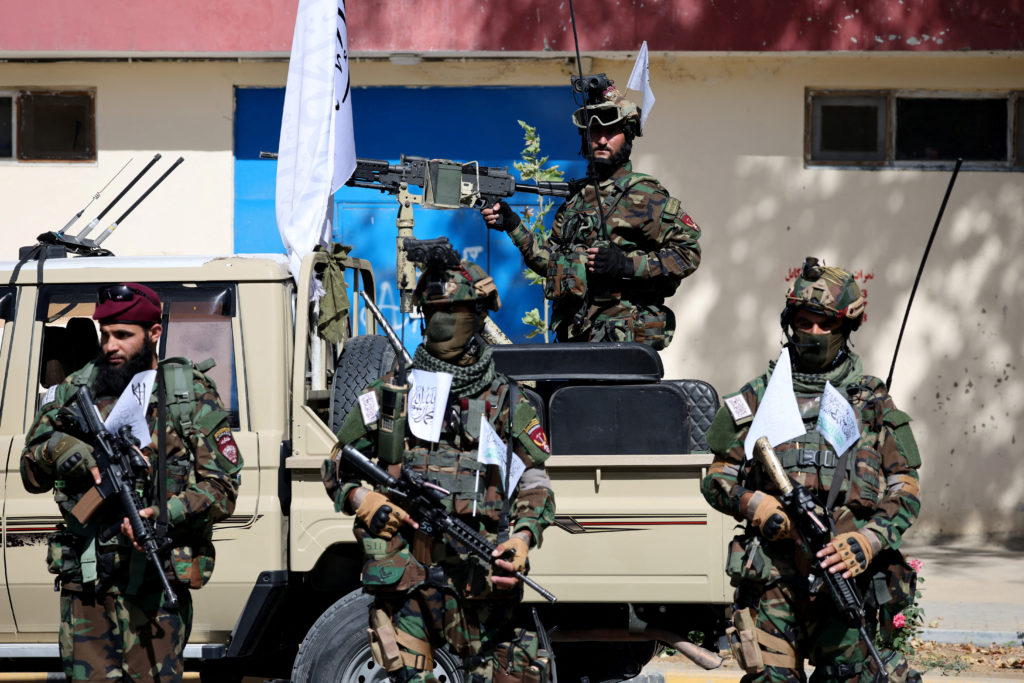
Reported facts: The Taliban seized power in Afghanistan on Aug. 15, 2021; the U.S. and NATO military withdrawal preceded that change; chaotic scenes occurred at Kabul airport as many people tried to flee. Attributed claim: A U.N. official warned of a rights crisis in Afghanistan on the fifth anniversary of Taliban rule (presented in the article headline). Uncertainty: The supplied article text is brief and does not provide specific examples, data, or direct quotations from the U.N. official within the body, limiting detail on the nature and scale of the alleged rights crisis.
Source and Framing Analysis
The supplied source (PBS NewsHour) offers a concise anniversary note tying historical events (2021 withdrawal, Kabul airport chaos) to a U.N. warning. The framing links the anniversary to a rights concern but provides little supporting detail or primary quotes in the supplied body. This produces material uncertainty about which rights are in crisis, which populations are most affected, and what evidence the U.N. official cited. Readers should seek follow-up reporting or primary U.N. statements for specifics.
Biblical Reflection
This report highlights a recurring moral concern: when regimes change through force and international support withdraws, vulnerable people—especially women, children, religious and ethnic minorities, and those who assisted foreign partners—bear the heaviest costs. Christians should receive this news with sorrow and sober prayer, recognizing both the limits of earthly power and the ongoing call to defend the dignity of the oppressed.
At the same time, avoid simple triumphalism or demonization. The facts reported are brief and contextual; the church's witness should be grounded in verified needs, clear compassion, and patient advocacy rather than partisan rhetoric. We are called to speak truth, seek justice, and offer concrete mercy: to pray, to support trustworthy relief and refugee-assistance efforts, and to urge policymakers to protect human life and basic rights wherever possible.
Scripture in context
- 1Isaiah 1:17 — Isaiah addresses a community whose religious ritual has become detached from ethical justice; the prophet calls Israel to learn to do good, seek justice, defend the oppressed, and care for widows and orphans. — The passage challenges Christians to prioritize justice and protection for the vulnerable over empty ritual or political preference; in contexts of political upheaval, this means practical solidarity with victims and public advocacy for their rights.
- 2Luke 10:25-37 (Parable of the Good Samaritan) — Jesus answers the question 'Who is my neighbor?' by telling a story where a foreigner and social outsider shows mercy to a beaten man, challenging in-group boundaries and redefining neighbor-love as active compassion. — The story reframes Christian response to suffering: neighbors are those in need, regardless of nationality or politics; Christians should respond with practical care, cross-cultural solidarity, and sacrificial service.
Faithful Response
Pray specifically for Afghan civilians, refugees, and human-rights advocates, asking God for protection and wisdom for those who can help.
Support reputable organizations providing humanitarian aid or refugee resettlement assistance for Afghans (check accountability and track record before giving).
Invite congregational education: host a briefing or discussion with credible experts or relief workers to learn how the church can help effectively.
Advocate to elected officials for policies that protect asylum seekers, prioritize human-rights concerns, and fund humanitarian relief.
Reflection and Discussion
- 1How does my faith shape the way I prioritize human dignity and advocacy when governments shift and vulnerable people lose protection?
- 2Where might our community be called to offer practical hospitality or advocacy for those harmed by this political change?
- 3Am I seeking out reliable, detailed information before forming judgments about the causes and solutions to a rights crisis?
Sources
Reporting links are evidence inputs; Sanctuary News' biblical reflection is commentary.
This outlook currently relies on fewer than two linked sources. Broaden verification before teaching from it.
- 1.While Taliban leaders mark 5 years in power in Afghanistan, a UN official warns of a rights crisisprimary_reporting