News Summary
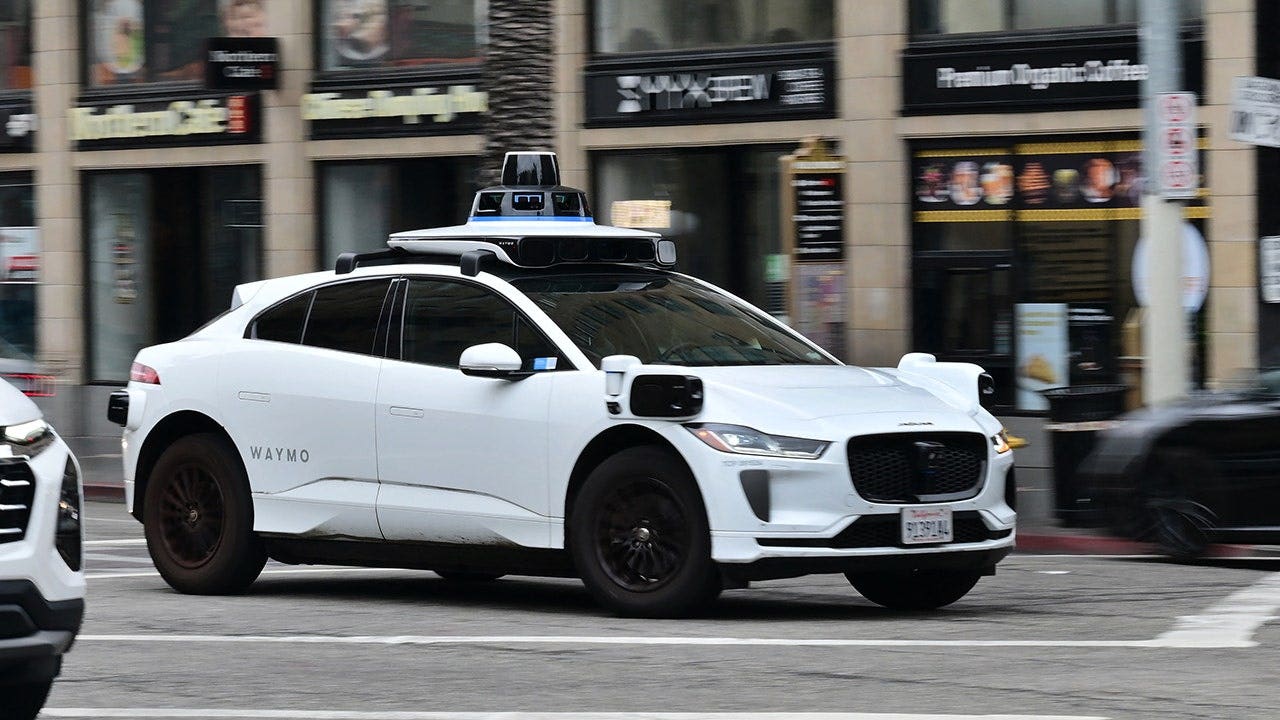
Police in San Francisco responded to a reported burglary at a yoga studio on Jan. 9, 2026; investigators say a suspect stole clothing and exited the business, placed items in a vehicle trunk, and left in a Waymo robotaxi that had been summoned to the location. Officers later obtained a warrant for Waymo account data and vehicle footage, but investigators reported the account information did not identify a suspect and that interior footage was no longer available months later; exterior footage had faces blurred for privacy. Waymo declined to comment on the specific incident but has stated it reviews law-enforcement requests carefully and does not use facial-recognition biometric matching. The article frames the event as raising questions about how autonomous vehicles intersect with crime-scene evidence, privacy protections, data retention, and law-enforcement access, and offers rider advice about privacy settings and payment methods.
Biblical Reflection
This story highlights a real tension between public safety, privacy, and corporate responsibility. The factual core — a suspect allegedly using a robotaxi to leave a crime scene and investigators encountering limits in account data and footage — is believable and significant for policing and policy, but some of the article's language and context (e.g., invoking an 'AI takeover') leans toward alarmist framing that can exaggerate inevitability or malice in technology. Christian discernment calls for both truth-telling about new risks and restraint from fear-driven rhetoric. We should press for transparency, clear legal standards, and timely cooperation from companies so that justice can be served and communities kept safe, while also resisting the impulse to strip ordinary citizens of privacy by default. Corporations that deploy powerful technologies bear a stewardship responsibility to anticipate harms, preserve evidence appropriately, and work with lawful investigations; governments and churches must advocate for policies that protect the vulnerable (children, victims) without normalizing unchecked surveillance. Practically, this requires humility about what technology can and cannot solve, courage to demand accountability, and mercy for those wrongly implicated when systems fail.
Scripture in context
This outlook does not yet include contextual Scripture citations. Do not treat a general biblical theme as an exegetical conclusion.
Faithful Response
No prescribed response is offered. Consider the reflection prompts below in your own church context.
Reflection and Discussion
- 1Do you assume more cameras automatically produce justice, and what limits should exist on data retention and access?
- 2Who should be accountable when a corporate-operated system participates in a crime scene — the user, the company, or both — and how should that shape law and policy?
- 3How do we weigh the protection of privacy for bystanders against the need for usable evidence in criminal investigations?
Sources
Reporting links are evidence inputs; Sanctuary News' biblical reflection is commentary.
This outlook currently relies on fewer than two linked sources. Broaden verification before teaching from it.
- 1.Original reportprimary