News Summary
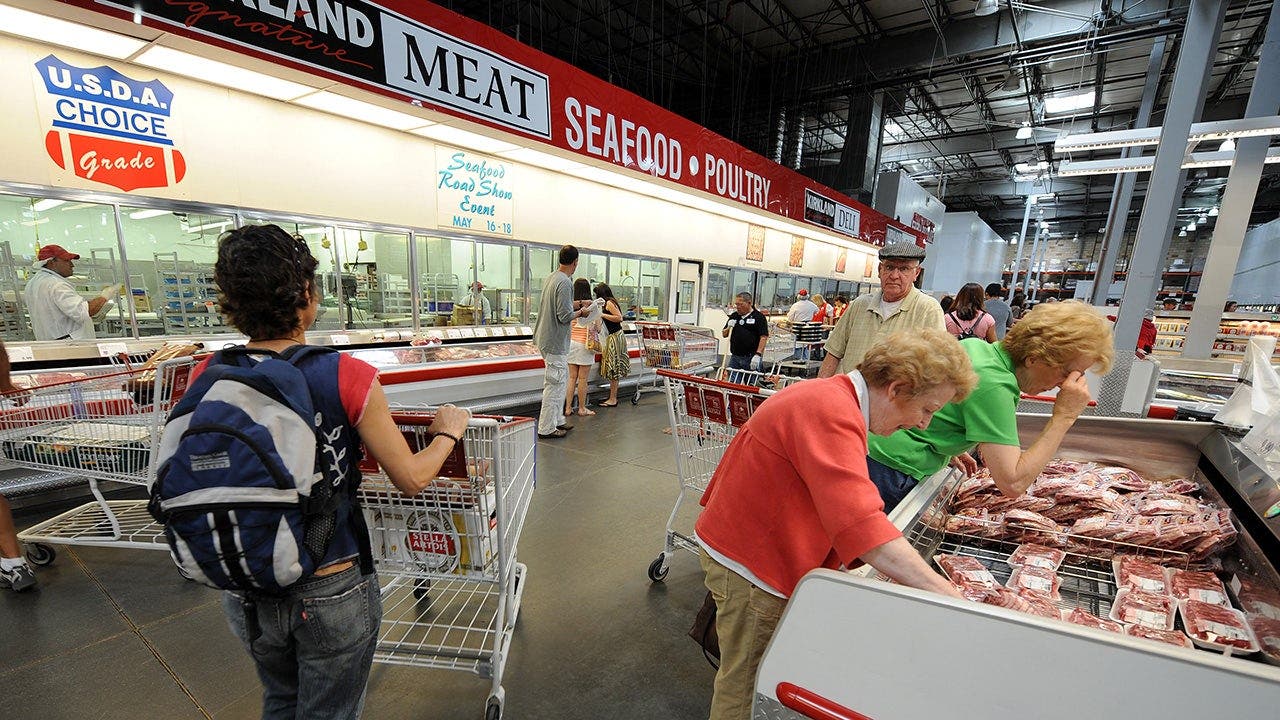
A YouGov survey reported that among respondents earning at least $150,000 annually, 11% said Costco is the grocery store where they do most of their shopping; 14% selected "other," Kroger was chosen by 10%, and Walmart Supercenter by 8%. YouGov defines higher-income households as those earning $150,000 or more (about 10% of the U.S. population). The survey also found 51% of higher-income households spend more than $150 per week on groceries versus 28% of middle- and lower-income households. For middle- and lower-income respondents, Walmart Supercenter was the most-named primary grocery store (20%), with 5% naming Costco. The article includes commentary from food-industry analyst Phil Lempert, who attributed Costco's appeal to bulk sizes, perceived value, household size, store concentration in metro/suburban areas, and the membership model (Costco memberships range from $65 to $130 annually). The piece also offers consumer-shopping tips (shop with a list, compare unit prices, buy in bulk, use online pickup) and briefly mentions a separate Costco bagel debate among shoppers.
Biblical Reflection
The article is factual in reporting survey results and expert commentary but can overemphasize a surprising narrative—wealthy shoppers preferring a warehouse club—without noting that the reported share (11%) is far from a majority. The piece reflects a consumer-centered worldview that equates prudent shopping with value-seeking and frugality. From a Christian perspective, there are positives here: bulk buying and price-comparison can be wise expressions of stewardship and can reduce waste when done responsibly. At the same time, the story points to broader social realities: access to low-cost food is uneven, and what counts as "value" depends on household size, mobility, and capital (e.g., the upfront cost of membership or bulk purchases). Christians should read this with humility about how market choices reflect resources and priorities, be wary of letting brand or status define identity, and remember that wisdom includes caring for neighbors who lack the means to benefit from the same saving strategies.
Scripture in context
This outlook does not yet include contextual Scripture citations. Do not treat a general biblical theme as an exegetical conclusion.
Faithful Response
No prescribed response is offered. Consider the reflection prompts below in your own church context.
Reflection and Discussion
- 1Does the article’s framing make a grocery brand choice into a marker of social status rather than a practical household decision?
- 2Who gains and who is left out when savings require upfront costs (membership fees, bulk purchases, vehicle access) that not all households can afford?
- 3Are we reading survey percentages carefully—does 11% indicate a dominant trend or a notable but limited preference?
Sources
Reporting links are evidence inputs; Sanctuary News' biblical reflection is commentary.
This outlook currently relies on fewer than two linked sources. Broaden verification before teaching from it.
- 1.Original reportprimary