News Summary
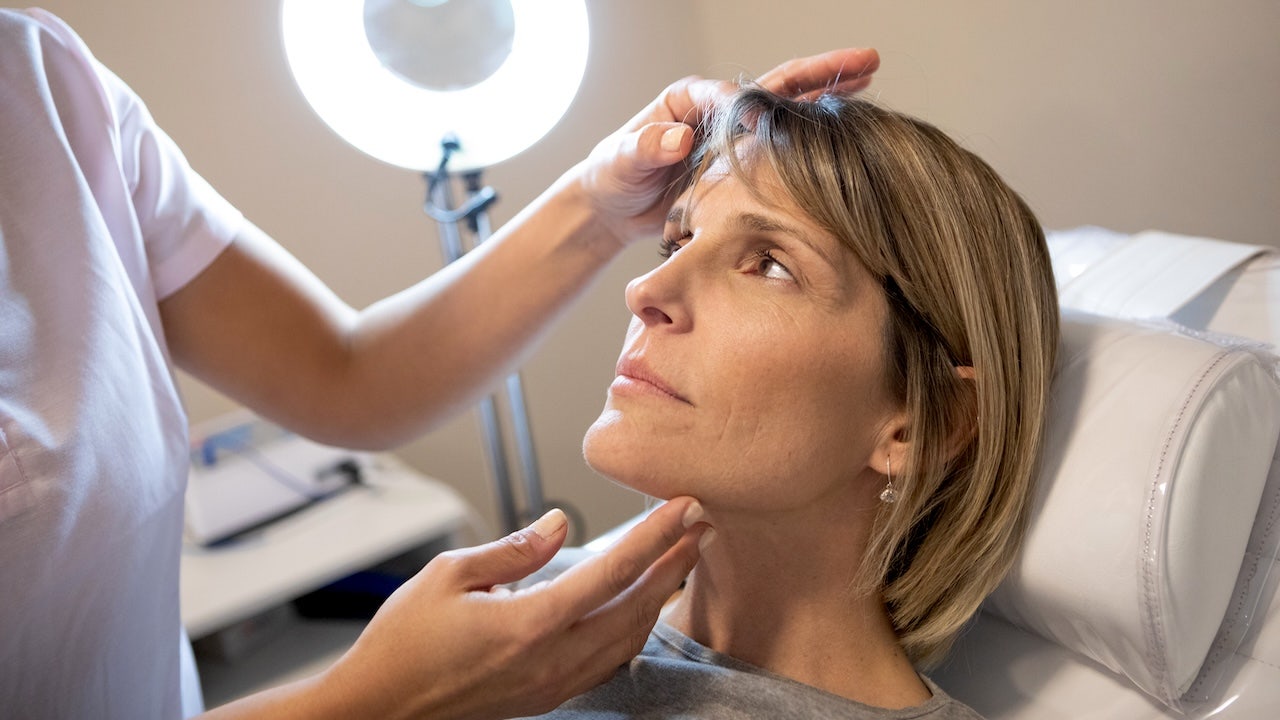
More than three million people travel internationally each year for cosmetic surgery. The article quotes board-certified U.S. plastic surgeons Dr. Sheila Nazarian and Dr. Samuel Golpanian warning that lower-priced procedures in destinations such as Turkey and Mexico can carry significant risks. Examples cited include hair transplants offered far below U.S. prices (reported as roughly $4,000–$5,000 abroad versus $20,000–$30,000 in the U.S.). Reported problems in some overseas clinics include inadequate regulation, non-medically trained staff performing procedures, the use of unsafe or non-medical-grade injectables, infections, poor wound healing, significant scarring, tissue necrosis, damage to underlying structures, asymmetry, and difficulty or impossibility of correction. The surgeons emphasize the importance of proper training (inquiring about residency and hospital privileges), reliable aftercare (which they note contributes materially to outcomes), and psychological screening to ensure patients are seeking healthy motives for surgery. They acknowledge that not all international procedures result in harm but advise extreme caution.
Biblical Reflection
From a Christian perspective the article highlights several significant concerns: prudence, stewardship, and the dignity of the body. Scripture calls Christians to care for their bodies (1 Corinthians 6:19–20) and to pursue wisdom in decision-making (Proverbs). The medical warnings about unregulated clinics and untrained staff are concrete expressions of why discernment and due diligence matter — cheapness can mask real danger. At the same time, a biblical worldview cautions against reducing personal worth to appearance or treating the body solely as a commodity to be purchased and optimized by market forces. The piece largely centers the medical-safety argument and quotations from U.S. surgeons; readers should note potential professional and economic perspectives that shape the coverage (U.S. surgeons have legitimate safety concerns but also operate within a higher-cost system). The article does not deeply address systemic drivers—such as high domestic costs, unequal access to reconstructive or elective care, and cultural pressures from social media—that push people toward medical tourism. Pastoral care calls us to both warn the vulnerable about physical risks and to compassionately address the deeper needs behind the pursuit of cosmetic surgery: loneliness, insecurity, or unrealistic beauty standards. Believers are invited to apply wisdom (seek qualified, credentialed care and reliable aftercare), exercise stewardship of finances and health, and extend empathy and restoration to those harmed by risky procedures.
Scripture in context
This outlook does not yet include contextual Scripture citations. Do not treat a general biblical theme as an exegetical conclusion.
Faithful Response
No prescribed response is offered. Consider the reflection prompts below in your own church context.
Reflection and Discussion
- 1What motives and cultural pressures (social media, beauty standards, cost) might be driving someone toward low-cost overseas surgery, and are those motives rightly ordered?
- 2Whose voices are centered in this story and whose needs or systemic causes (affordability, mental-health support, regulation) are not fully explored?
- 3How can Christians balance responsible stewardship of health and resources with compassion for those who feel they need cosmetic procedures to find peace or acceptance?
Sources
Reporting links are evidence inputs; Sanctuary News' biblical reflection is commentary.
This outlook currently relies on fewer than two linked sources. Broaden verification before teaching from it.
- 1.Original reportprimary