News Summary
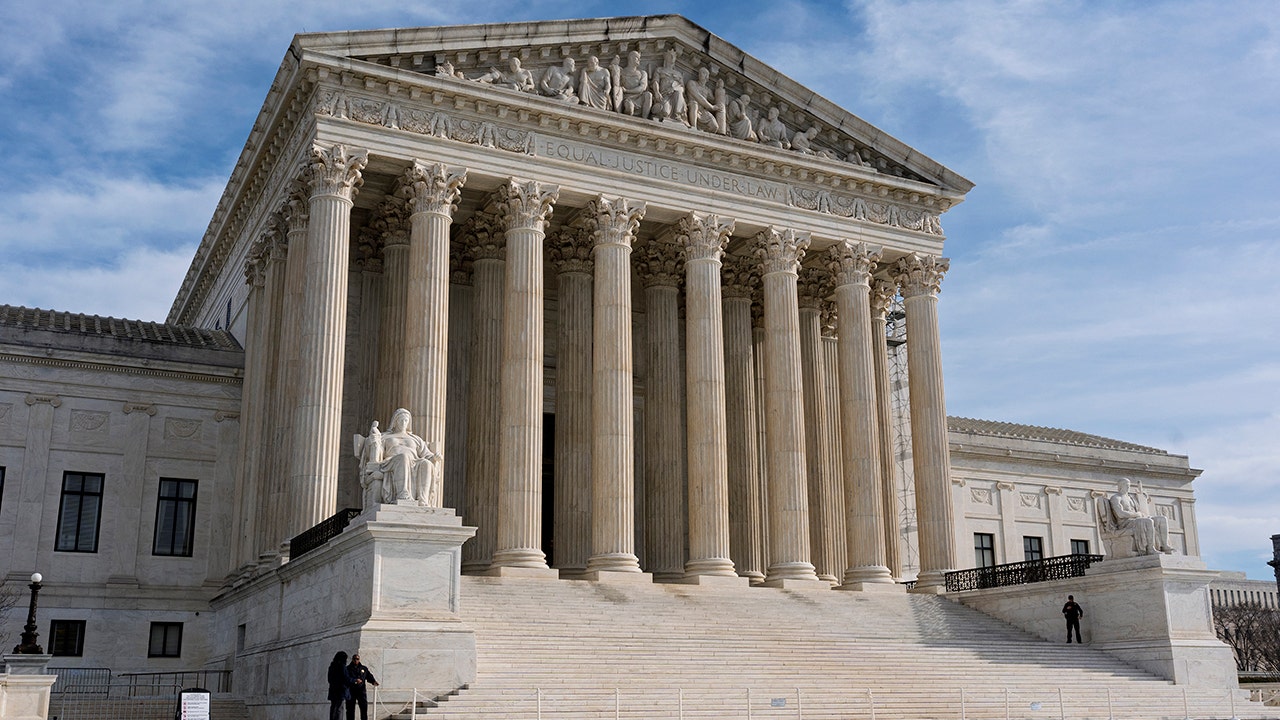
This is an opinion piece responding to a U.S. Supreme Court decision in consolidated cases from Idaho and West Virginia. The Court upheld state laws that reserve girls’ and women’s sports categories for biological females, finding those laws do not violate Title IX or the 14th Amendment’s equal protection clause; the opinion was authored by Justice Kavanaugh and the Court split 6–3 on the equal protection question. The writer, Riley Gaines, a former collegiate swimmer and political activist, characterizes the ruling as a victory for women’s sports but notes the decision permits — rather than requires — states or institutions to adopt exclusionary policies. The piece urges congressional action to codify protections (citing the stalled Protection of Women and Girls in Sports Act), calls for state-level legislation and enforcement by the Department of Justice and Education, and frames the debate as part of a broader cultural and political conflict over definitions of sex and gender identity.
Biblical Reflection
The article accurately reports the Court's holding but is a partisan opinion that frames the issue as a straightforward moral and political victory. Its worldview emphasizes biological sex as the decisive category for fairness and safety in athletics and treats disagreement as ideological bad faith. That framing highlights a genuine concern — protecting competitive fairness and safety for female athletes — which is a valid public interest. However, the piece also uses inflammatory political language and generalizations about opponents that risk dehumanizing people who identify as transgender. A Christian pastoral response calls us to hold truth and justice together with mercy and humility: seek policies that fairly protect women and girls while remembering that persons on all sides are created in the image of God and deserve dignity. Christians should be cautious of rhetoric that treats opponents as wholly villainous, and should press for solutions that are lawful, evidence-informed, and compassionate toward vulnerable people. The church can model constructive civic engagement by advocating for clear rules that protect competitive integrity and safety, supporting due process in enforcement, and ministering pastorally to those affected by policy and cultural division.
Scripture in context
This outlook does not yet include contextual Scripture citations. Do not treat a general biblical theme as an exegetical conclusion.
Faithful Response
No prescribed response is offered. Consider the reflection prompts below in your own church context.
Reflection and Discussion
- 1How does the article's language shape readers' view of opponents — as mistaken, dangerous, or dehumanized — and what effect does that have on civic discourse?
- 2Which practical, evidence-based standards could protect both fair competition for girls and the dignity of transgender people, and where do current policies fall short?
- 3Are calls for legal uniformity overlooking the real differences in local needs and contexts, and how should Christians weigh national law versus local pastoral care and community consensus?
Sources
Reporting links are evidence inputs; Sanctuary News' biblical reflection is commentary.
This outlook currently relies on fewer than two linked sources. Broaden verification before teaching from it.
- 1.Original reportprimary