News Summary
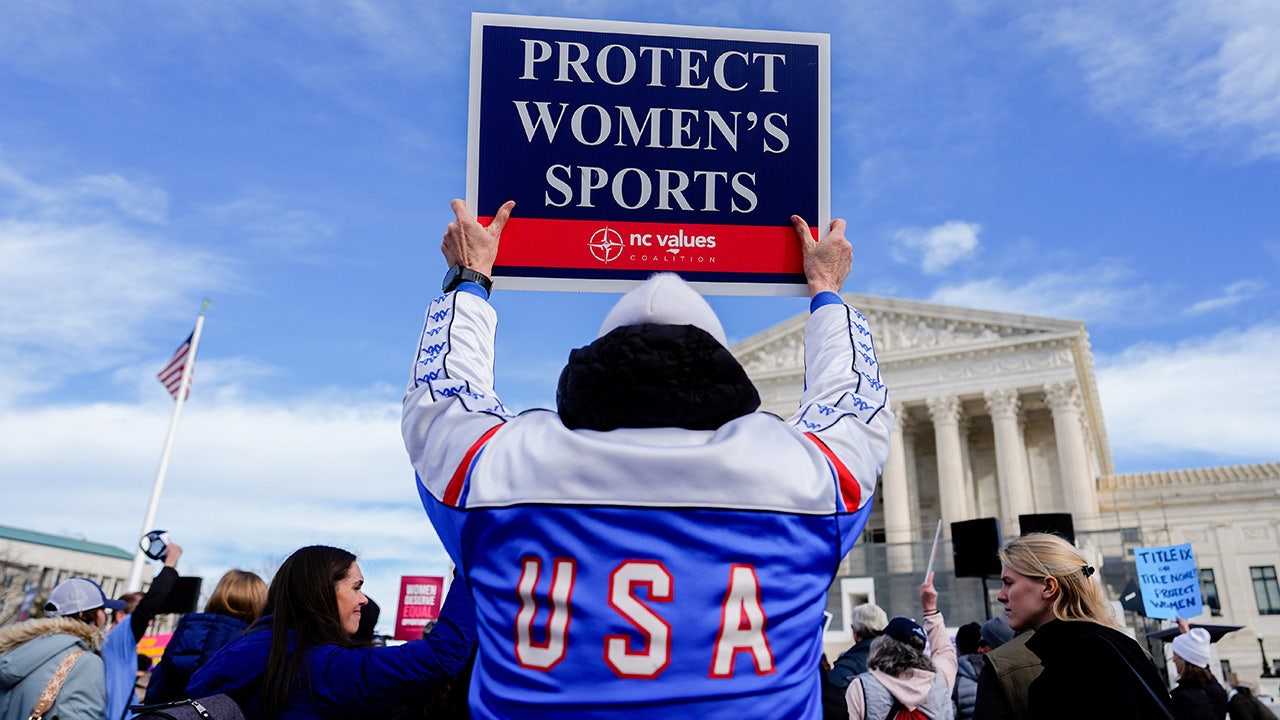
The U.S. Supreme Court, in a 6–3 decision, upheld West Virginia and Idaho laws that require student‑athletes to compete on teams that correspond to biological sex at birth rather than gender identity. The cases—West Virginia v. B.P.J. and Little v. Hecox—had been brought by transgender athletes challenging those state laws; the states were represented by their attorneys general and by the Alliance Defending Freedom, while the plaintiffs were represented by the ACLU and Cooley Legal. The Court said states may determine eligibility for women’s and girls’ sports based on biological sex, citing Title IX and equal protection considerations. Justices Sotomayor, Kagan and Jackson filed opinions concurring in part and dissenting in part. The ruling resolves earlier litigation that had blocked the laws and leaves in place similar statutes in roughly 27 states while noting that other states have different protections or no such laws. The reporting also recounts exchanges from oral argument and post‑hearing comments by counsel about the legal definition of “sex” and the academic status of one plaintiff.
Biblical Reflection
This ruling is legally consequential and reflects competing moral claims: the pursuit of fairness in sex‑segregated athletics and the inclusion and dignity of transgender people. The Court’s decision privileges a biologically based legal definition of sex for eligibility in women’s sports, which many see as protecting competitive fairness and opportunities for biological females. At the same time, it narrows the legal pathway for transgender athletes seeking access to those teams and raises pastoral concerns about the social, emotional, and spiritual effects on transgender youth. Christians are called to weigh truth and compassion together: to affirm biological realities where relevant to fairness and safety, while also resisting dehumanizing rhetoric or policies that treat people as mere categories. Hidden framings in coverage can push readers toward certainty and partisanship; faithful discernment requires attending to human stories on both sides, the particular harms and goods at stake for young athletes, and the role of law in balancing competing goods. The Church’s response should combine a commitment to justice for the vulnerable, careful attention to bodily and communal realities, and pastoral care for those who will be impacted by the ruling.
Scripture in context
This outlook does not yet include contextual Scripture citations. Do not treat a general biblical theme as an exegetical conclusion.
Faithful Response
No prescribed response is offered. Consider the reflection prompts below in your own church context.
Reflection and Discussion
- 1Which goods (fairness in competition, safety, inclusion, dignity) are prioritized in this ruling, and how should Christians balance them when they conflict?
- 2How might the way we frame legal categories like 'sex' influence who is seen as neighbor and who receives care in our communities?
- 3Are we listening to the lived experiences of the young people directly affected before settling on policy positions, and how should that testimony shape our public witness?
Sources
Reporting links are evidence inputs; Sanctuary News' biblical reflection is commentary.
This outlook currently relies on fewer than two linked sources. Broaden verification before teaching from it.
- 1.Original reportprimary