News Summary
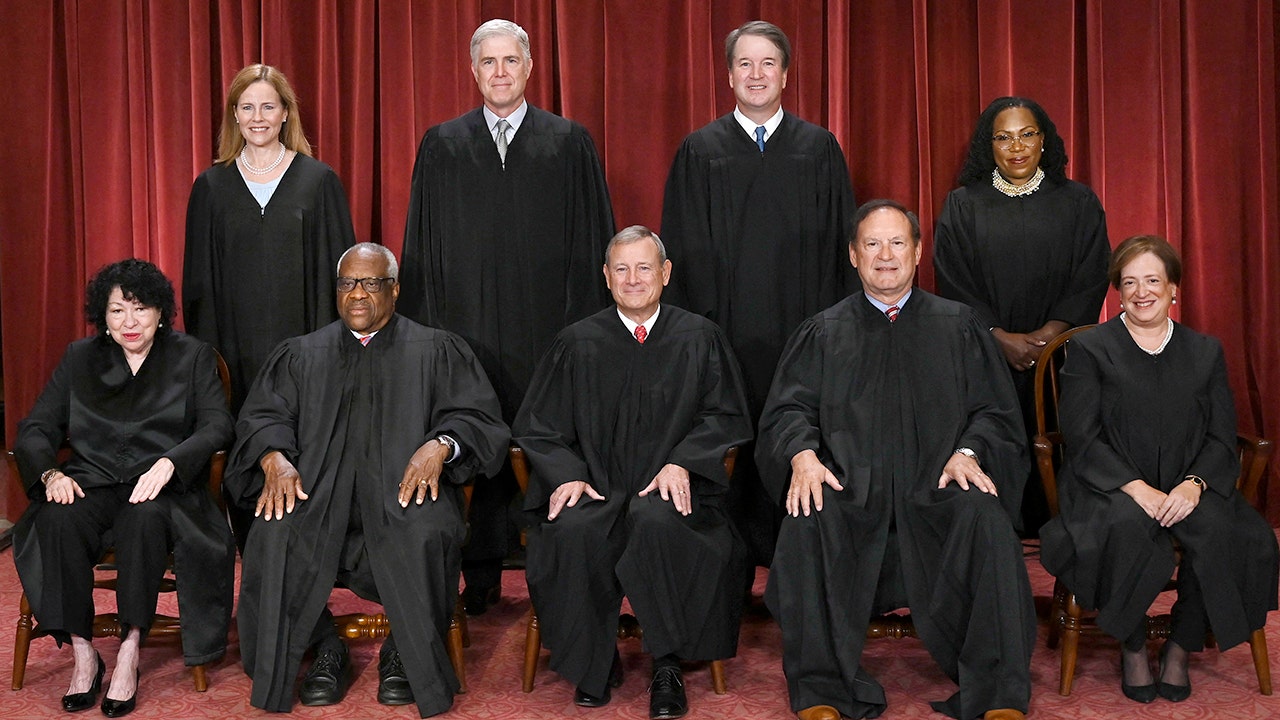
The U.S. Supreme Court issued a 5–4 decision upholding a Mississippi law that permits counting mail-in ballots received after Election Day provided they were postmarked on or before Election Day. The majority opinion emphasized that the question of when ballots should be received is a policy matter for state legislatures, not the courts. Justice Samuel Alito wrote a dissent expressing legal objections to the majority's interpretation and warning that permitting late-arriving ballots to change outcomes days after Election Day could undermine public confidence in elections and create opportunities for fraud. Justice Brett Kavanaugh raised similar concerns during oral argument about public perception in tight contests. Supporters of allowing ballots postmarked by Election Day argue the practice preserves access for voters who timely mailed ballots but whose ballots arrived late. The article notes that while isolated instances of mail-ballot fraud have been documented historically, there is no evidence of widespread mail-ballot fraud in the 2020 or 2024 presidential elections.
Biblical Reflection
From a Christian perspective, this ruling touches both truth and neighbor-love. Truth requires honest assessment of evidence: claims about fraud deserve careful, documented support rather than alarm without proof. At the same time, mercy and justice call Christians to protect meaningful access to the franchise for working people, rural voters, and others for whom in-person voting may be a hardship. The article frames the dispute largely as a legal split and as competing concerns—integrity versus access—and that framing is appropriate, but readers should watch for rhetoric that privileges fear over facts or that treats legitimate procedural questions as evidence of bad faith. Christian civic responsibility asks us to insist on transparency, lawful process, and remedies through established institutions (legislatures, election officials, audits) rather than amplifying distrust. Practically, Christians should model humility and patience amid partisan claims, press for clear, verifiable procedures that build public confidence, and care for neighbors by supporting both secure and accessible voting practices.
Scripture in context
This outlook does not yet include contextual Scripture citations. Do not treat a general biblical theme as an exegetical conclusion.
Faithful Response
No prescribed response is offered. Consider the reflection prompts below in your own church context.
Reflection and Discussion
- 1Are the claims about voter fraud supported by verifiable evidence, or do they rely more on possibility and fear?
- 2Does the debate in this ruling prioritize access for marginalized or working voters as much as it does concerns about timing and finality?
- 3Who benefits if public confidence in election outcomes erodes, and how should Christians weigh partisan rhetoric against the common good?
Sources
Reporting links are evidence inputs; Sanctuary News' biblical reflection is commentary.
This outlook currently relies on fewer than two linked sources. Broaden verification before teaching from it.
- 1.Original reportprimary