News Summary
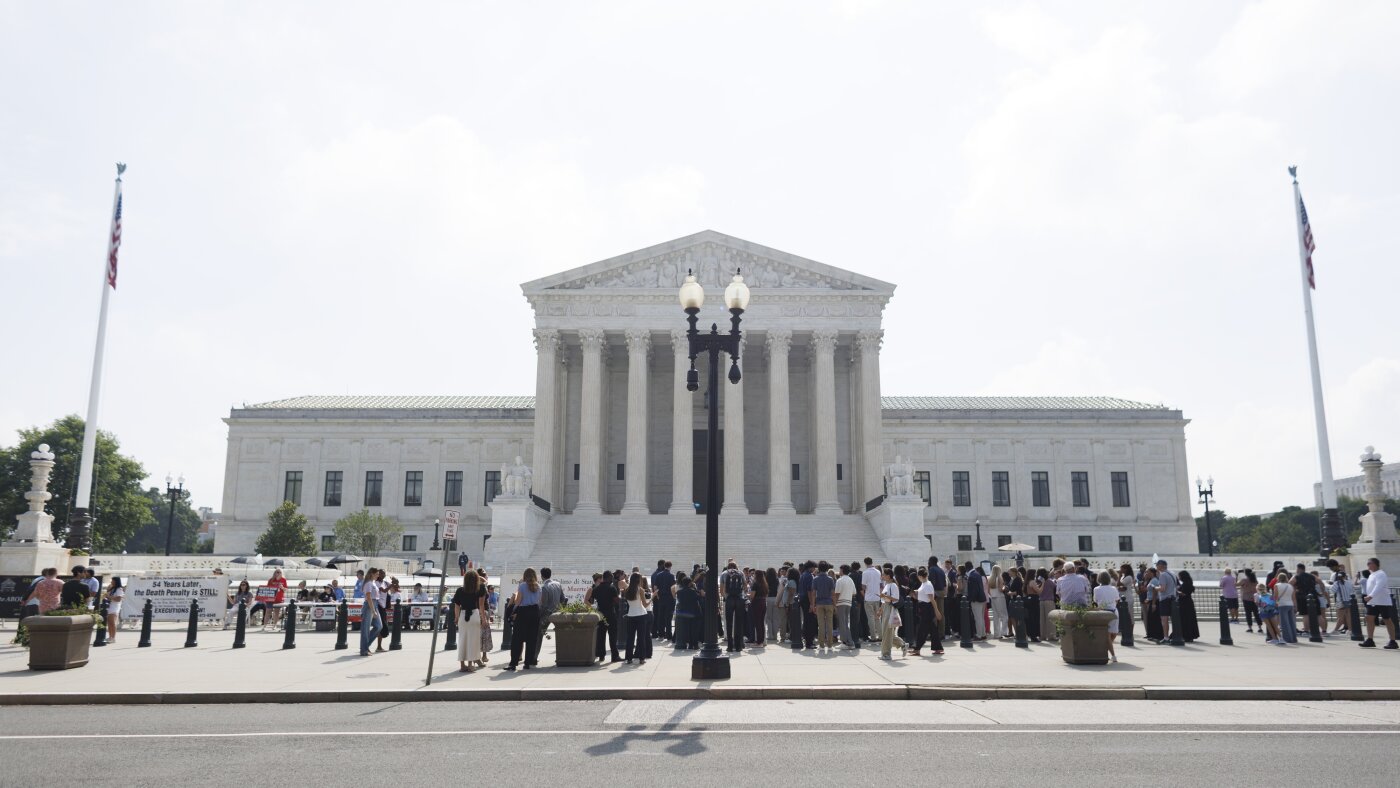
The U.S. Supreme Court ruled to uphold automatic birthright citizenship for children born on U.S. soil regardless of their parents' immigration status. Chief Justice John Roberts wrote the principal opinion tracing birthright citizenship to the post–Civil War amendment; five justices joined Roberts' opinion. A sixth justice, Brett Kavanaugh, concurred in the judgment but rested his reasoning partly on a 1952 federal statute and suggested Congress could impose limits, while Justice Clarence Thomas wrote a lengthy dissent arguing the 14th Amendment should be read as applying only to former slaves and their descendants. The decision curtails the Trump administration's effort to eliminate birthright citizenship by executive action. Separately, Colorado's primary elections produced several notable upsets: a Democratic senator failed in a bid for governor, Manny Rutinel won a Democratic primary for a House contest that could affect control of the House, and in Denver's 1st District incumbent Rep. Diana DeGette lost the Democratic nomination to 29-year-old Melat Kiros, a democratic socialist. The newsletter also noted a major heat wave across the eastern U.S., changes to graduate student loan limits starting July 1, and Fourth of July guidance for pet safety.
Biblical Reflection
From a Christian perspective, the Supreme Court ruling touches both legal fidelity and the dignity of vulnerable persons. Upholding birthright citizenship affirms a stable rule of law that safeguards an immutable fact of belonging for children born here — a clarity that preserves family dignity and prevents arbitrary removal of rights based on parents' status. The coverage frames the decision against one administration's policy goals; readers should note the difference between factual reporting of the Court's judgment and commentary that positions the ruling primarily as a political defeat for a particular leader. The Colorado primary results reflect democratic change and the rise of more ideologically distinct candidates; Christians should weigh the call to civic engagement with a posture of humility, resisting tribalism and remembering that political victories do not erase our duty to love neighbors across partisan lines. In both items beware of simplifications: legal opinions can rest on differing constitutional theories, and primary upsets often reflect local dynamics rather than broad mandates. Christian virtues here call us to seek truth (accurate reading of legal reasoning), mercy toward vulnerable people affected by immigration law, courage to speak for the powerless, and peaceable engagement amid political disagreement.
Scripture in context
This outlook does not yet include contextual Scripture citations. Do not treat a general biblical theme as an exegetical conclusion.
Faithful Response
No prescribed response is offered. Consider the reflection prompts below in your own church context.
Reflection and Discussion
- 1Am I distinguishing between legal reasoning, political interpretation, and media framing when I read this ruling?
- 2How does the idea of 'belonging' in Scripture shape my view of citizenship and how we treat children born to immigrants?
- 3In responding to political upsets, am I practicing humility and neighbor-love rather than immediate partisan triumphalism?
Sources
Reporting links are evidence inputs; Sanctuary News' biblical reflection is commentary.
This outlook currently relies on fewer than two linked sources. Broaden verification before teaching from it.
- 1.Original reportprimary