News Summary
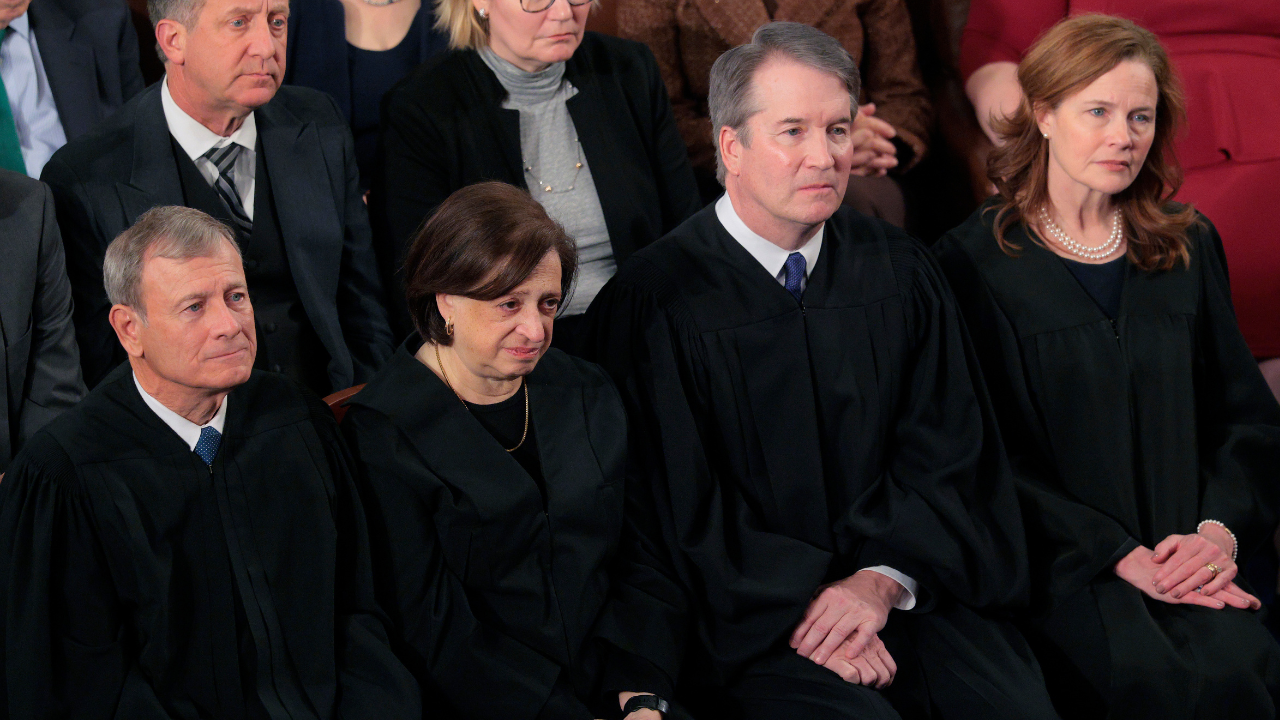
The U.S. Supreme Court ruled 5-4 that the 14th Amendment confers citizenship to anyone born on U.S. soil, including children of temporary visitors. Chief Justice John Roberts authored the majority opinion, joined by Justice Amy Coney Barrett and the three liberal justices, which relied on the amendment's text and precedent dating to United States v. Wong Kim Ark. Justices Clarence Thomas and Neil Gorsuch dissented, arguing the Court expanded precedent beyond what Reconstruction-era Congress contemplated and could have resolved the case more narrowly. The article uses the example of soccer player Folarin Balogun, born in the U.S. to visiting parents, to illustrate the ruling’s application, and the author (Jonathan Turley) frames the decision as leaving the question of birthright citizenship to national debate or a possible constitutional amendment. The piece also discusses reactions to Justice Barrett's voting record and notes limited Congressional options to address birth tourism by statute. The author is identified as a law professor and Fox News contributor and offers opinion and context rather than only reportage.
Biblical Reflection
This is an opinion piece built on a factual Supreme Court decision but framed to push a normative response (national debate and possible amendment). Its core factual claims about the ruling are accurate; its characterization of birthright citizenship as widely rejected globally and as 'ill-considered' is an interpretive judgment, not an uncontested fact. The piece foregrounds concerns about judicial activism and originalist critiques while also praising the independence of certain judicial appointees—revealing a worldview that values textual/historical fidelity in constitutional interpretation and skepticism of policy outcomes the author disagrees with. From a Christian pastoral lens, important virtues to hold here are truth-seeking and humility: truth in understanding what the Court actually held and humility toward complex human consequences. Christians should notice the human dimension often compressed in legal debates—children who acquire citizenship, families who plan births, and immigrants who seek stability. Justice and mercy both matter: the law should aim for clear, stable rules (truth and order) while policies influenced by that law should protect vulnerable people (mercy and neighbor-love). The article’s call for a national debate and possible constitutional amendment is a civic exercise, but it risks becoming more about political wins than about loving neighbors if it overlooks the concrete lives affected. Discernment is required to separate constitutional reasoning from political rhetoric and to press for solutions that balance national integrity with compassion for children and families.
Scripture in context
This outlook does not yet include contextual Scripture citations. Do not treat a general biblical theme as an exegetical conclusion.
Faithful Response
No prescribed response is offered. Consider the reflection prompts below in your own church context.
Reflection and Discussion
- 1Whose lives and needs are most affected by changes to birthright rules, and are those human consequences being centered in the debate?
- 2Is the argument presented more about legal principle (text and precedent) or about the policy outcome the author prefers, and how does that influence the tone of the piece?
- 3How can Christians weigh legitimate concerns for national order and sovereignty alongside the call to care for strangers, children, and immigrants?
Sources
Reporting links are evidence inputs; Sanctuary News' biblical reflection is commentary.
This outlook currently relies on fewer than two linked sources. Broaden verification before teaching from it.
- 1.Original reportprimary