News Summary
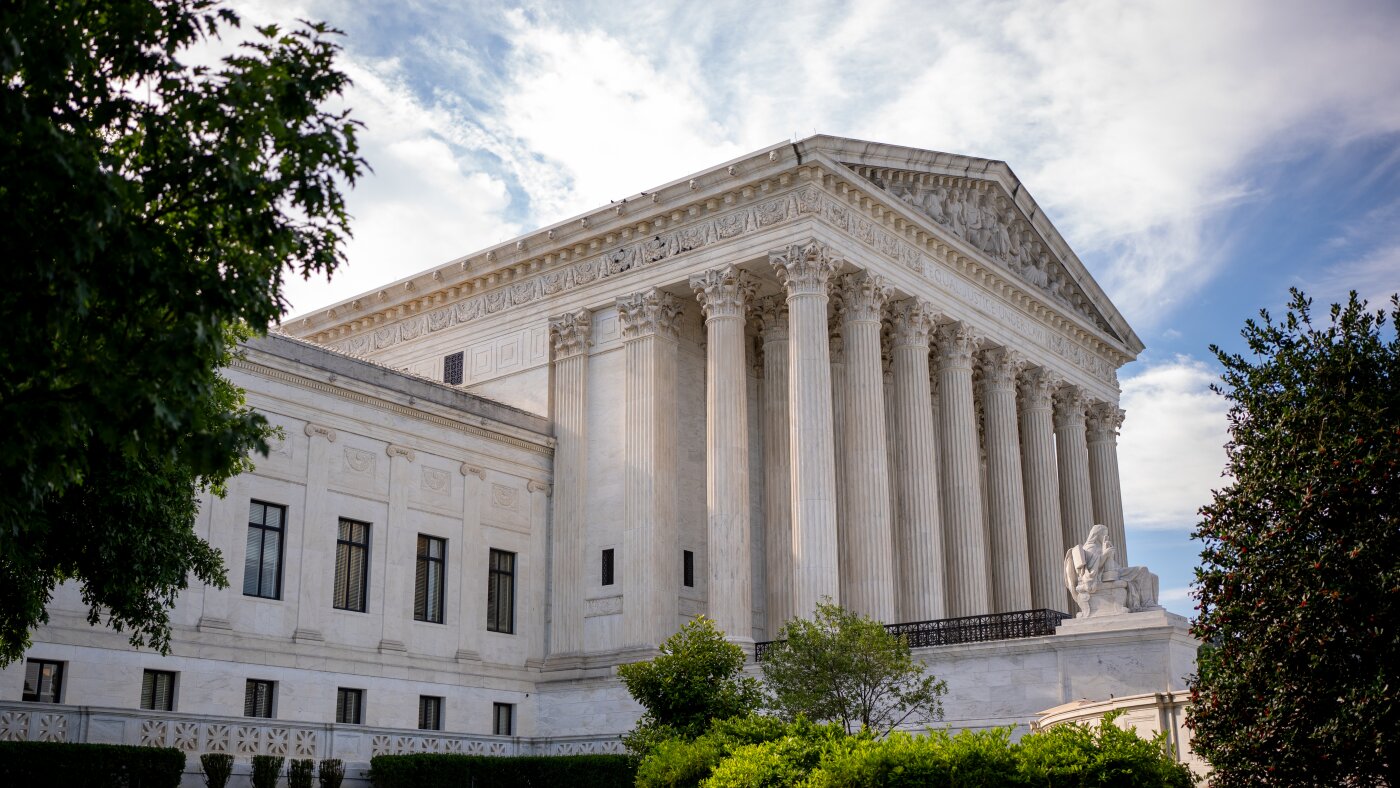
The U.S. Supreme Court ruled that states may bar transgender girls from participating in girls' sports at publicly funded schools. Justice Brett Kavanaugh wrote the majority opinion, holding that because Title IX explicitly allows sex‑segregated athletic teams, states can limit team membership based on sex assigned at birth. The decision resolved two different cases: one involving Lindsey Hecox, a transgender college student affected by Idaho’s law, and another involving a West Virginia student, Becky Pepper Jackson, who was barred from middle and later high school girls’ sports under state law. The ruling affirms state authority to enact such bans but leaves unresolved questions about younger grades, club or recreational leagues, and other contexts. The decision comes amid a broader wave of state-level measures affecting transgender people — including prior rulings and laws restricting gender‑affirming care for minors, changes to identity documents, restroom access, and drag show regulations — with dozens of states having enacted related statutes or policies.
Biblical Reflection
This ruling sits at the intersection of competing goods: the legal and social commitment to protect opportunities for women and girls in athletics, and the Christian call to care compassionately for persons who are vulnerable or marginalized. The court’s reasoning privileges a textual reading of Title IX and state authority, responding to genuine concerns about fairness and safety in sex‑segregated competition. At the same time, the practical effect is to exclude a group of young people whose wellbeing is already precarious in many places. Christians should notice two tendencies: (1) public debates and laws often reduce complex medical, developmental, and moral realities to binary policy choices; and (2) political rhetoric can instrumentalize real anxieties about fairness for partisan ends. Truth requires careful attention to evidence about athletic advantage and to legal boundaries; mercy requires resisting dehumanizing language and ensuring pastoral care and support for affected youth and families. Humility calls us to recognize legal limits and scientific uncertainty; courage calls Christians to advocate for policies that protect legitimate competitive equity while also safeguarding the dignity, mental health, and safety of young people. Practically, this decision will push these conflicts deeper into state legislatures, school boards, and community courts — places where Christians can model respectful, fact‑based engagement and pastoral care.
Scripture in context
This outlook does not yet include contextual Scripture citations. Do not treat a general biblical theme as an exegetical conclusion.
Faithful Response
No prescribed response is offered. Consider the reflection prompts below in your own church context.
Reflection and Discussion
- 1What assumptions about biological sex and competitive advantage underlie the legal reasoning, and what evidence would fairly evaluate those claims?
- 2How might political incentives shape how this issue is framed in law and media, and where does that framing obscure the human costs?
- 3In public policy debates over fairness and inclusion, which voices (coaches, scientists, parents, transgender youth) are being heard or excluded, and why does that matter?
Sources
Reporting links are evidence inputs; Sanctuary News' biblical reflection is commentary.
This outlook currently relies on fewer than two linked sources. Broaden verification before teaching from it.
- 1.Original reportprimary