News Summary
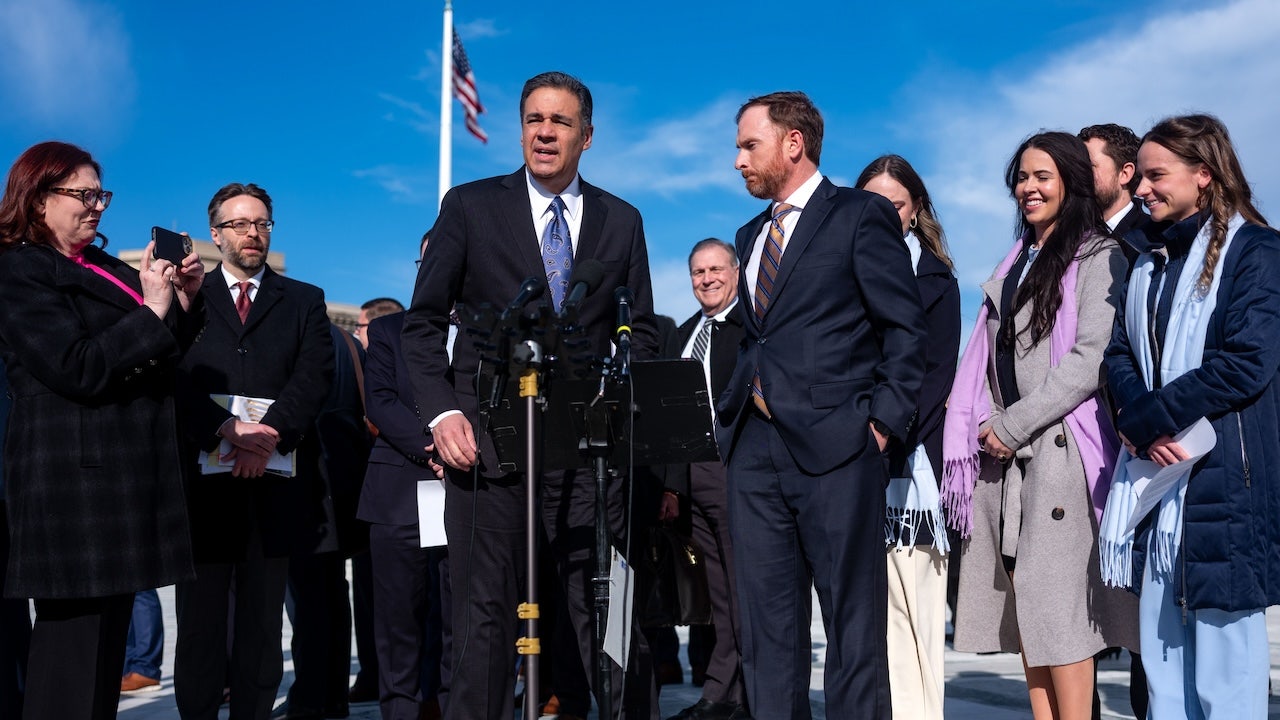
The U.S. Supreme Court upheld state laws that bar transgender girls from competing on girls' and women's sports teams. The cases reached the Court after multi-year litigation arising from Idaho and West Virginia laws. In Idaho, collegiate runners including Mary Kate Marshall joined a lawsuit defending the state's ban after competing against a transgender male athlete; in West Virginia, litigation began with a middle-school transgender athlete represented by the ACLU. Lower courts at times enjoined state laws, allowing the West Virginia athlete to continue competing and to win a girls' shot put state title while the case proceeded. Allegations of inappropriate locker-room behavior by a West Virginia teammate have been made publicly and disputed; those allegations were not part of the Supreme Court's legal record. Justice Brett Kavanaugh wrote the 77-page majority opinion, saying Title IX does not require schools to allow biological males on girls' teams and that states may separate teams by biological sex; the Court was unanimous on its Title IX interpretation but split 6–3 on the related Equal Protection constitutional question. Dissenting justices argued factual issues remained and the case should have returned to lower courts for further fact-finding. Supporters of the ruling hailed it as a protection of women’s athletic opportunities; opponents and some advocacy groups said factual issues and the broader implications for transgender rights require continued attention. Commentators and activists signaled further political and cultural efforts—legislation, ballot initiatives, federal guidance, and institutional policy changes—will follow the ruling, and that many states still lack explicit laws on this issue.
Biblical Reflection
This ruling answers a legal question about how Title IX and constitutional review apply to sex-separated athletics at this moment, but it does not settle the deeper pastoral and moral tensions the story exposes. The article centers voices from one side of a heated public debate—female athletes, state attorneys general, and conservative legal advocates—while noting denials from opposing counsel; readers should notice the selection and prominence of sources and the emotional framing of testimonies. Christian wisdom calls us to hold multiple truths together: the legitimate need to ensure fair and safe opportunities for women and girls in athletics, and the call to treat transgender people with dignity and compassion. Public policy should aim for clarity, evidence, and protection for vulnerable people, while avoiding rhetoric that dehumanizes or dismisses others. The Church's task is to pray and work for justice that balances truth and mercy—protecting the vulnerable, guarding fair competition, and offering pastoral care to those whose identities and futures are deeply affected by these rulings.
Scripture in context
This outlook does not yet include contextual Scripture citations. Do not treat a general biblical theme as an exegetical conclusion.
Faithful Response
No prescribed response is offered. Consider the reflection prompts below in your own church context.
Reflection and Discussion
- 1Whose experiences and expert evidence are given priority in the article, and how does that choice shape what readers see as the moral stakes?
- 2How can Christians hold the twin commitments to fairness for women and compassionate care for transgender people without defaulting to dehumanizing language or false simplifications?
- 3What kinds of fact-finding, safeguards, and pastoral support would make policy changes both fair in competition and humane in practice?
Sources
Reporting links are evidence inputs; Sanctuary News' biblical reflection is commentary.
This outlook currently relies on fewer than two linked sources. Broaden verification before teaching from it.
- 1.Original reportprimary