News Summary
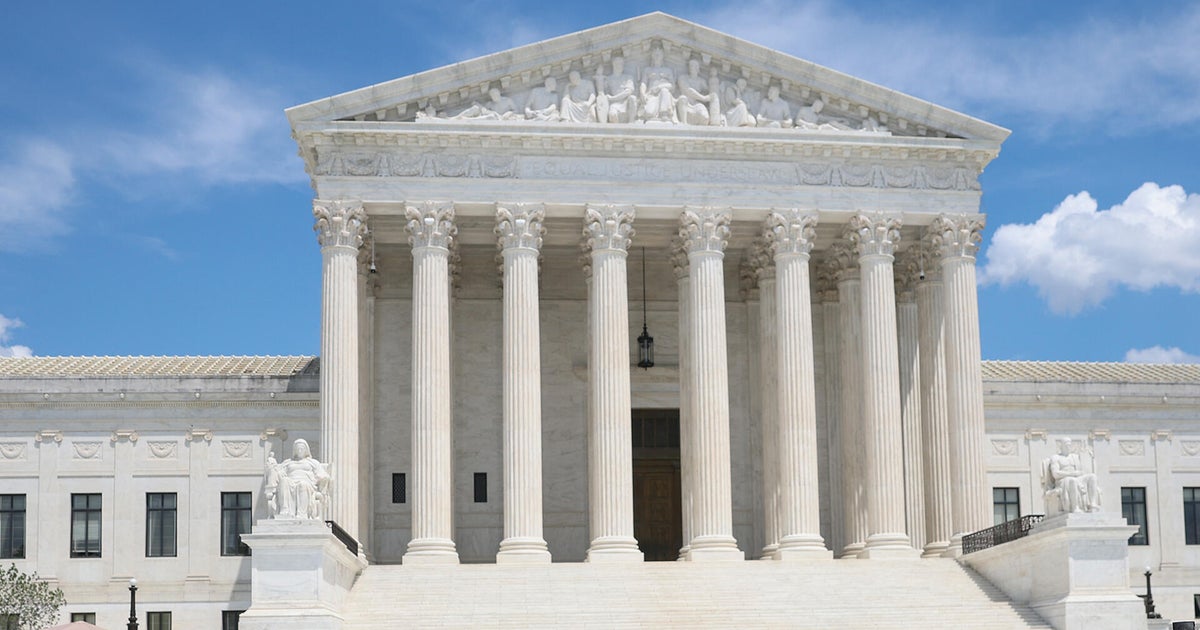
The U.S. Supreme Court agreed to decide whether federal law prevents Arizona from enforcing two 2022 state laws: one requiring documentary proof of citizenship for people who register using Arizona’s state voter-registration form, and another setting procedures for state officials to review and cancel registrations of voters suspected to be noncitizens. Prospective voters may instead use a federal registration form that does not require proof of citizenship; as of July 2023 more than 19,000 Arizona registrants lacked citizenship proof and were classified as "federal-only." The Democratic National Committee, the Arizona Democratic Party and nonprofits sued, arguing the laws are preempted by the National Voter Registration Act (NVRA) and violate a 2018 consent decree. A federal district court enjoined enforcement of some provisions, and a divided 9th Circuit panel upheld that injunction, finding the proof requirement violated the NVRA and that mass cancellations within 90 days of a federal election were barred. The Supreme Court previously granted limited emergency relief before the 2024 election allowing some enforcement of the state-form proof requirement but restricted other uses; it will hear full arguments in the next term. The case follows related litigation in other states (including a Virginia case allowing removal of roughly 1,600 alleged noncitizens) and appeals from Arizona Republicans and the RNC; the Biden administration’s Trump-era DOJ position and the Trump administration’s urging of review are part of the broader legal context.
Biblical Reflection
This dispute raises two legitimate civic concerns that Christian wisdom asks us to hold together: the integrity of elections and the protection of eligible voters’ access. The article reports legal developments without overt editorializing, but the underlying contest is between a state’s attempt to tighten rules based on concerns about noncitizen voting and federal law that seeks uniform registration procedures. Christians should weigh claims of fraud against the concrete evidence and the potential human cost of barriers that disproportionately affect the poor, immigrants, and others who may lack documentary proof. The rule of law and proper federal–state balance matter: if federal law preempts state measures, states enforcing new requirements could disenfranchise lawful voters; if states can impose additional requirements, administrative burdens and confusion could increase, harming civic trust. Spiritually, the posture we are called to adopt is sober and humble: seek truth (not partisan talking points), insist on justice (guarding the rights of the vulnerable), and practice mercy (avoid dehumanizing rhetoric about immigrants). Christians should also be attentive to how legal fights become proxies for partisan grievance, and resist simplifications that trade neighbor-love for political advantage.
Scripture in context
This outlook does not yet include contextual Scripture citations. Do not treat a general biblical theme as an exegetical conclusion.
Faithful Response
No prescribed response is offered. Consider the reflection prompts below in your own church context.
Reflection and Discussion
- 1What evidence is being relied on to justify new citizenship-document requirements, and how proportionate are the proposed remedies to the scale of any demonstrated problem?
- 2How does federal law (like the NVRA) balance the need for uniform federal election procedures with states’ authority, and who gains or loses when that balance shifts?
- 3Whose practical access to the ballot will be affected by additional documentary requirements or aggressive roll purges, and have those human impacts been part of the legal and policy debate?
Sources
Reporting links are evidence inputs; Sanctuary News' biblical reflection is commentary.
This outlook currently relies on fewer than two linked sources. Broaden verification before teaching from it.
- 1.Original reportprimary