News Summary
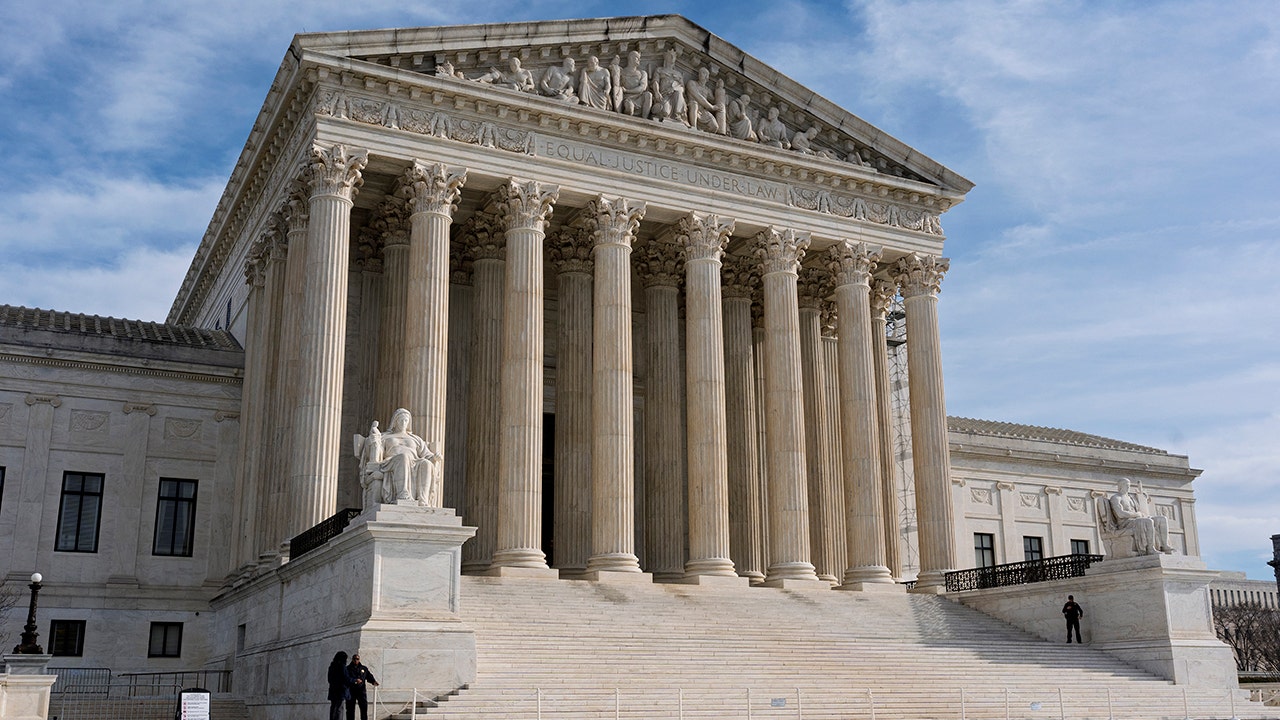
In National Republican Senatorial Committee v. Federal Election Commission, the U.S. Supreme Court, in a 6-3 decision, struck down a long-standing limit in the Federal Election Campaign Act that restricted political-party spending when coordinated with their federal candidates. The majority opinion, written by Justice Brett Kavanaugh, held that the coordinated-expenditure limit violated the First Amendment and stated the ruling treats political parties equally; the Court said parties may now spend unlimited amounts in coordination with their federal candidates so long as they otherwise comply with campaign-finance laws. The three dissenting justices opposed the decision. The ruling removes a statutory ceiling on party-coordinated spending; other campaign-finance rules remain in force. The report is brief and framed as a developing story.
Biblical Reflection
The decision raises a serious civic question: how to balance free speech with fair and equitable political competition. The Court’s ruling rests on a constitutional reading of the First Amendment and equality among parties under the law, but the practical effects will depend on how parties, donors, and disclosure rules operate going forward. The article itself is a short factual dispatch with minimal context—no discussion of historical precedents, how disclosure or anti-corruption safeguards will function, or which parties may gain the largest advantage. Christians should note two competing moral claims at play: the defense of expressive liberty and the call to protect the common good from concentrated power. Unfettered spending, even if lawful, can amplify wealthy or well-organized interests and drown out less-resourced voices, undermining neighbor-love and civic equity. At the same time, protecting free expression is important for a healthy polity. A faithful Christian response recognizes the legitimate constitutional arguments while urging humility, transparency, and stewardship from political leaders so that speech serves truth, community flourishing, and just participation rather than domination.
Scripture in context
This outlook does not yet include contextual Scripture citations. Do not treat a general biblical theme as an exegetical conclusion.
Faithful Response
No prescribed response is offered. Consider the reflection prompts below in your own church context.
Reflection and Discussion
- 1Does equal legal treatment of parties automatically ensure equal political influence in practice, or can resource disparities still skew outcomes?
- 2Which safeguards—transparency, disclosure, and anti-corruption measures—matter most if coordinated party spending is unlimited?
- 3How does prioritizing free-speech absolutism reflect a particular view of power and public responsibility, and where should Christians argue for limits that protect neighbor-love?
Sources
Reporting links are evidence inputs; Sanctuary News' biblical reflection is commentary.
This outlook currently relies on fewer than two linked sources. Broaden verification before teaching from it.
- 1.Original reportprimary